High-reliability PTA surfacing torches, customized automated welding configurations, and laser cladding technology designed for the machinery manufacturing and agricultural engineering sectors of Northern Italy.
Precision torches configured to support Verona's agricultural machinery, energy, and valve industries with low-dilution surfacing capabilities.
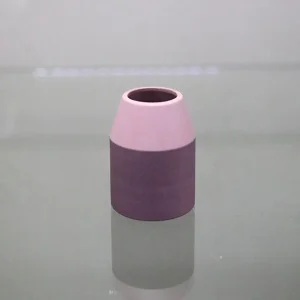
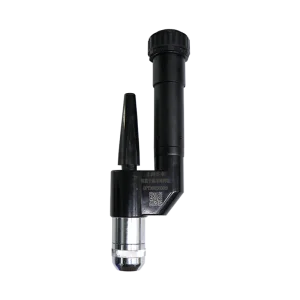 PTA Torch
Optimized for heavy-duty metal reclamation and surface treatment within Verona's casting facilities.
Request Tech Specs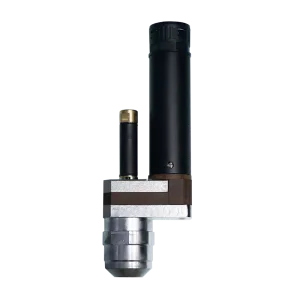 High Power
Heavy-current torch designed to achieve rapid deposition rates on large industrial components.
Request Tech Specs Precision Torch
Designed for high-accuracy detailing work, thin-wall components, and precision repair.
Request Tech Specs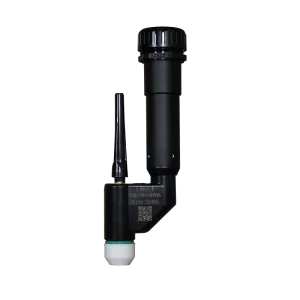 PTA Arc
Cost-effective system engineered for consistent powder delivery and low dilution rates.
Request Tech SpecsEvaluating the deployment of Plasma Transferred Arc (PTA) and Laser Cladding systems within Veneto's logistics and manufacturing networks.
Verona serves as an important industrial and logistics hub in Northern Italy. In addition to being the home of the Quadrante Europa logistics center, Verona and the surrounding Veneto region host many machinery manufacturers, metal casting plants, agricultural machinery suppliers, and specialized valve production sites. In these heavy industries, friction, corrosion, and high-temperature wear are constant operational concerns. Typical maintenance routines that rely on replacement or basic thermal sprays can lead to high operating costs and extended machinery downtime.
Our company specializes in delivering high-performance Plasma Transferred Arc (PTA) cladding systems and laser cladding setups designed to protect and extend the lifecycle of crucial machinery components. By depositing high-alloy powder onto standard steel substrates, our solutions create a metallurgical bond that resists extreme abrasive forces. This process supports local manufacturers in maintaining consistent production schedules and reducing overall maintenance overhead.
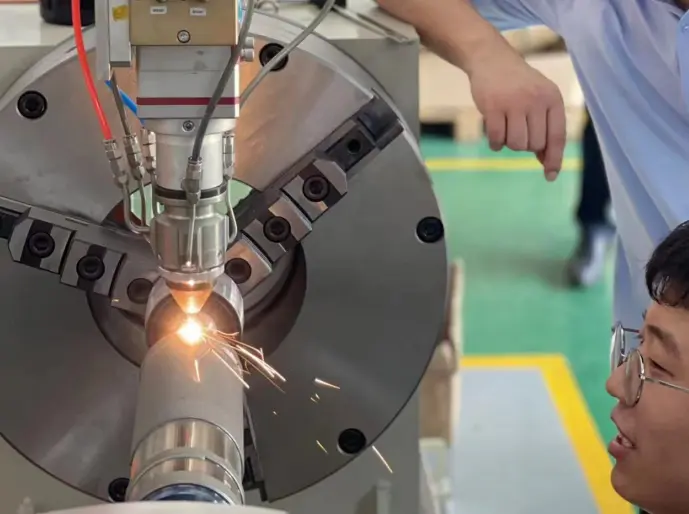
Industrial surface engineering often requires a careful choice between Plasma Transferred Arc (PTA) and Laser Cladding technologies. Both systems offer clear advantages depending on the wear profile, geometry, and material composition of the component. The table below outlines their primary operational parameters to help engineers choose the appropriate process.
| Parameter | Plasma Transferred Arc (PTA) | Laser Cladding |
|---|---|---|
| Dilution Rate | Generally 3% to 8% (highly controllable) | <1% to 3% (excellent minimal dilution) |
| Deposition Efficiency | High (up to 6-10 kg/h for automated systems) | Moderate to High (1-4 kg/h depending on power) |
| Heat Affected Zone (HAZ) | Moderate (localized heat dissipation required) | Very Low (minimal distortion risk) |
| Substrate Suitability | Carbon steels, cast iron, stainless, tool steels | Wide range including high-carbon alloys & exotic metals |
| Capital Equipment Cost | Moderate (suitable for localized workshops) | High (demands specialized integration) |
In heavy-duty applications like agricultural tillage, brick manufacturing extrusion screws, and oil refinery gate valves, mechanical bond coatings (such as HVOF or traditional flame spraying) can fail under impact load. Mechanical bonds rely on the kinetic locking of particles on the surface, which makes them susceptible to delamination when subjected to point loads or shear forces.
PTA and Laser Cladding, by contrast, create a true metallurgical bond. The substrate's surface layer is slightly melted and fuses with the cladding powder. This eliminates boundary-layer separation risks. The resulting clad layer maintains its structural integrity and provides consistent protection under severe impact, mechanical shock, and chemical exposure.
Our products support critical industrial segments globally and locally, providing surface treatments that help extend equipment service life.



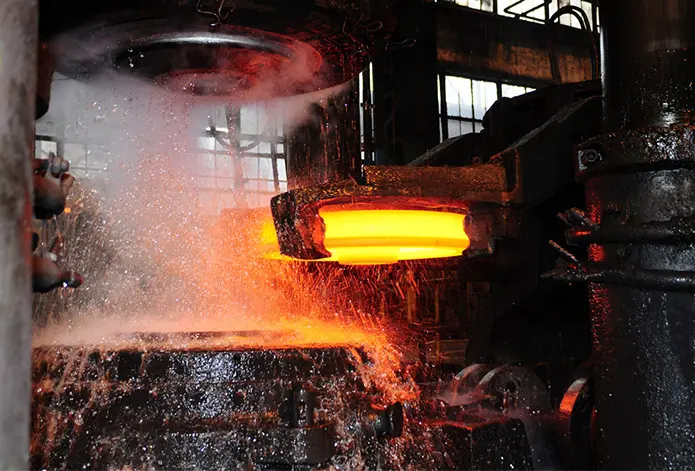
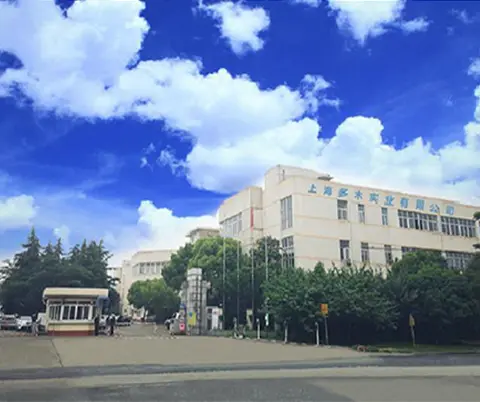
Shanghai Duomu has been a leading manufacturer and exporter of PTA cladding machines and Laser cladding machines for more than ten years, backed by a strong technical foundation. We maintain an independent R&D team that develops, produces, and sells specialized plasma cladding systems.
Our machinery is designed for stability and high efficiency over long operation cycles. In addition, our laser cladding equipment is engineered to support large-scale industrial components and remanufacturing projects. We deliver complete, turn-key solutions tailored to the production demands of modern factories.
A comprehensive selection of automated systems, deep-hole torches, and robotic configurations for diverse industrial applications.
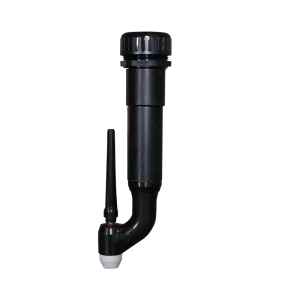 Internal Bore Cladding
Engineered for internal lining and surface restoration within valves and tubular cylinders.
Inquire Detail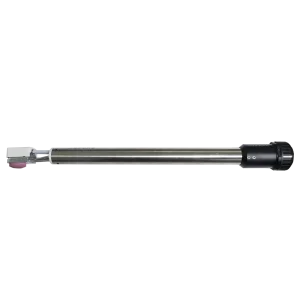 Verona Custom
A specialized bore torch for depositing wear-resistant layers inside complex cylindrical parts.
Inquire Detail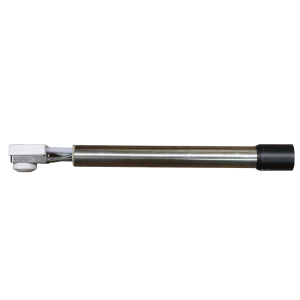 Internal Diameter
Optimized for medium-sized internal cavities, providing consistent gas shielding and arc stability.
Inquire Detail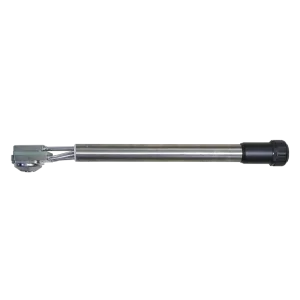 Industrial Power
Heavy-duty internal diameter welding torch designed for large-scale industrial bores.
Inquire Detail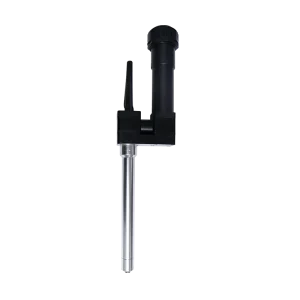 Deep Hole PTA
Features extended reach capabilities to clad interior pathways of complex valve structures.
Inquire Detail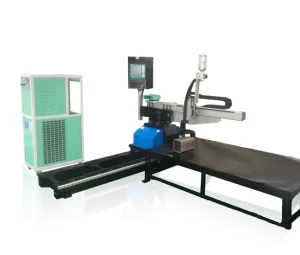 System Integration
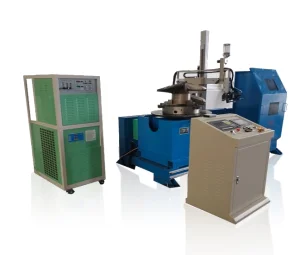
A multi-axis automated station configuration for surfacing large industrial shafts and plates.
Inquire Detail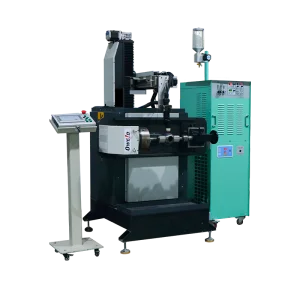 Valve Solutions
Dedicated automated system for hardfacing industrial ball valves used in demanding piping setups.
Inquire Detail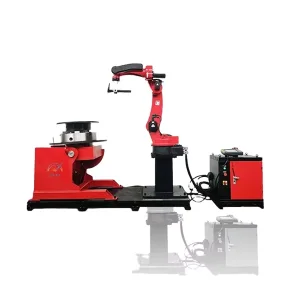 Robotic Cell
Integrates with PTA and laser setups to perform complex 3D toolpaths on non-planar shapes.
Inquire DetailOur customizable equipment catalog features automated laser cladding systems, automatic plasma cladding lines, and intelligent robot setups.
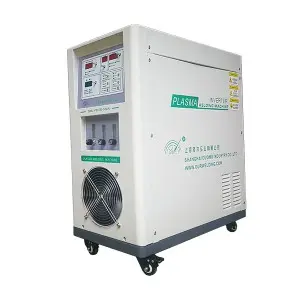
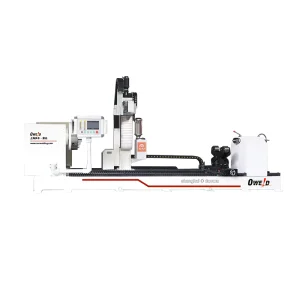
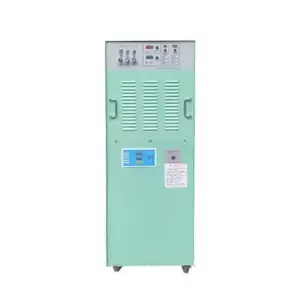
High-precision alloy powder surfacing system with programmable deposition rates.
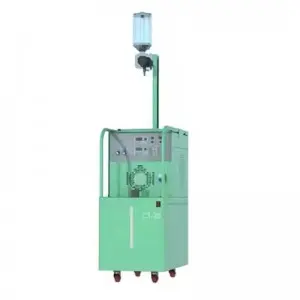
Combines structural joint welding and hardfacing capabilities in a single unit.
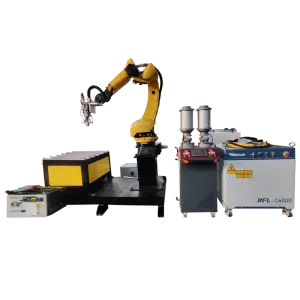
Engineered for flexible repair workshops handling varied metal alloys and geometries.
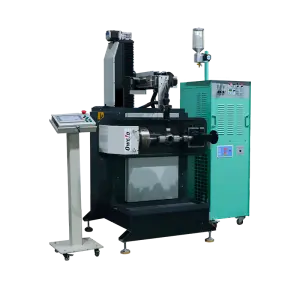
Provides precise heat control, protecting thin-edge profiles from distortion during cladding.
Configured for consistent, circular cladding overlays on sealing surfaces.
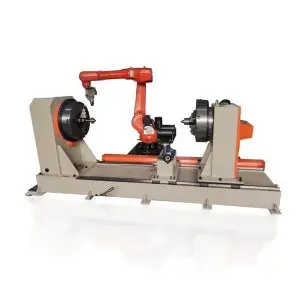
Multi-axis robotic system designed for surface hardening treatments on complex shapes.
Review operational analyses on dilution rates, production efficiency, and machinery lifespan extensions.
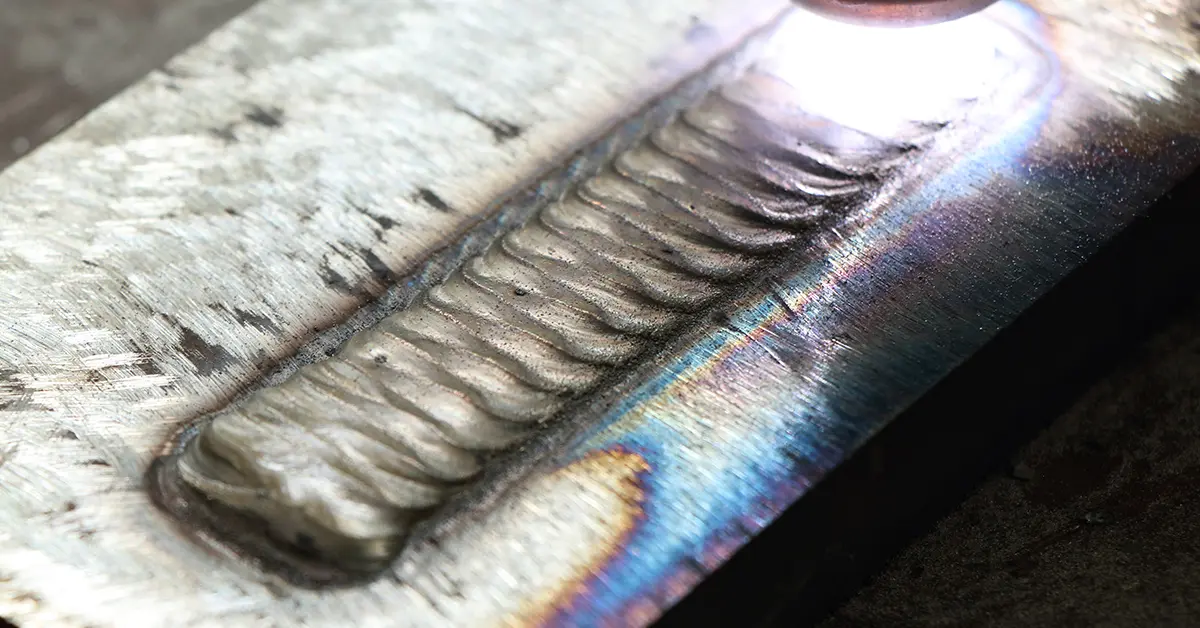
In PTA hardfacing, achieving a high-quality overlay depends heavily on controlling the dilution rate. The chemical and physical properties of the cladding layer can change if the substrate material mixes excessively with the deposit.
Read Technical Report →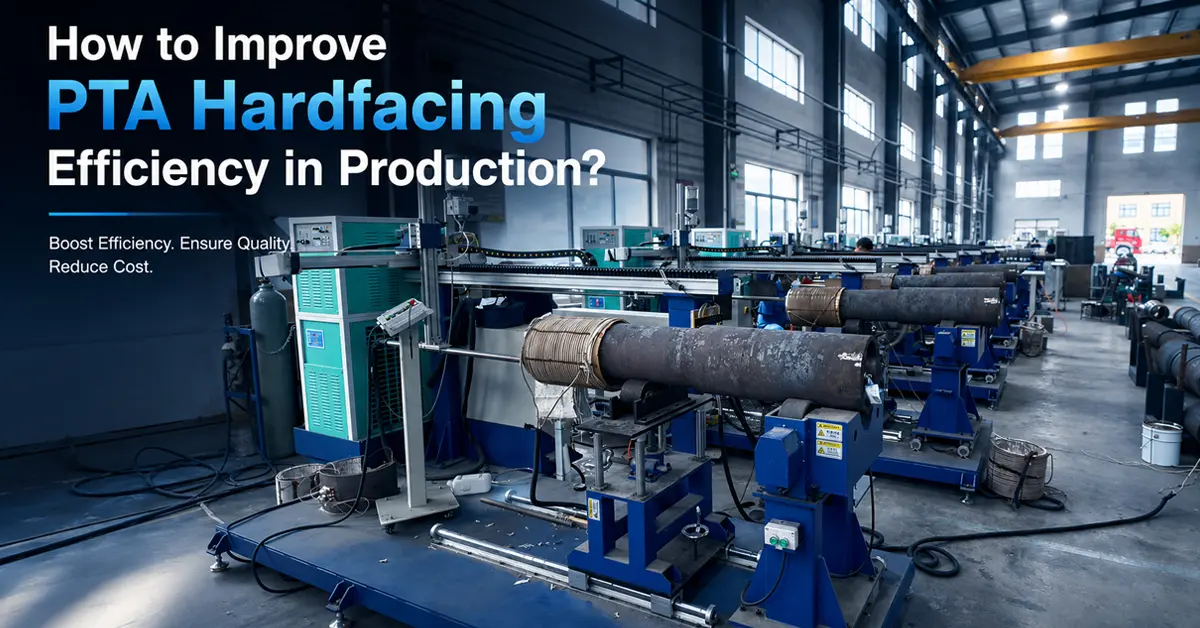
Increasing PTA hardfacing efficiency involves balancing deposition rates with parameter control. Real-world efficiency is measured by deposition consistency and minimizing post-process machining requirements.
Read Technical Report →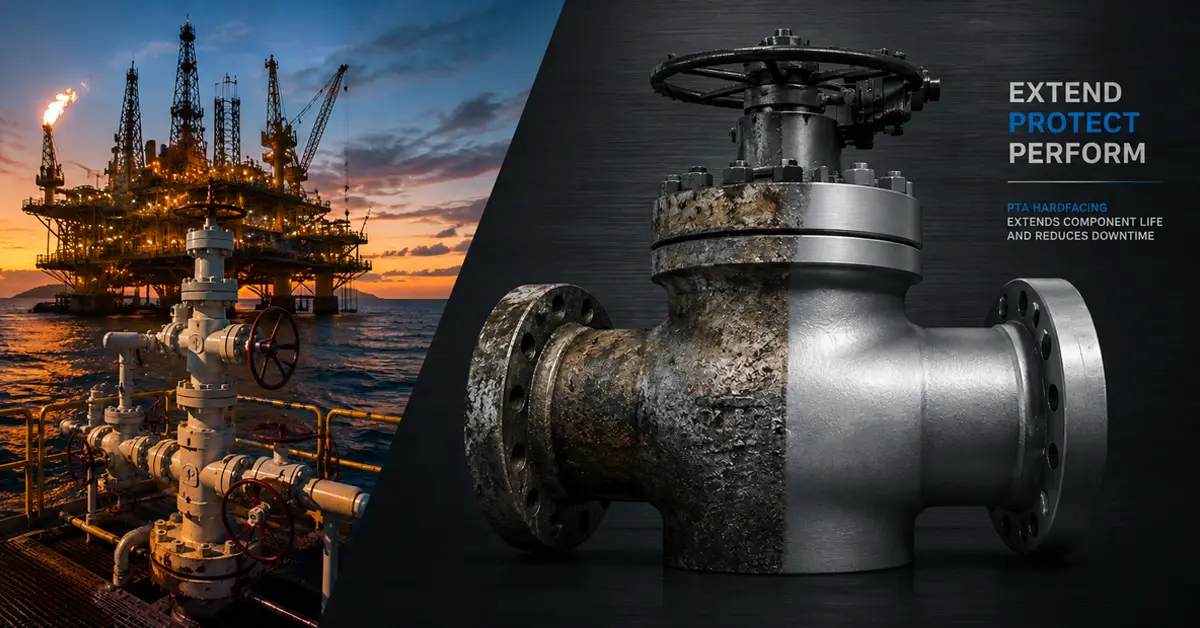
Component wear in pipeline assemblies can lead to unexpected shut-downs. Protecting seats and seals with cobalt-based alloy coatings helps stabilize system operations and extends service intervals.
Read Technical Report →Our cladding machinery and torch designs comply with international quality requirements. We build systems to meet European directives, including the Pressure Equipment Directive (PED) 2014/68/EU, CE safety standards, and ISO 3834 welding quality system certifications.
For industrial operations in Verona and across Italy, we supply customized technical documentation, parameter tables, and setup recommendations. Our engineering support helps customers integrate cladding technology into their existing workflows with minimum hassle.
Available Support Services:
By sourcing your PTA and laser cladding systems directly from our factory, you reduce intermediary costs and establish direct communication with our technical support team.
We maintain parts inventory, offering prompt shipping on nozzles, gas cups, powder feeders, and torch consumables to help you keep downtime to a minimum.
Average Lead Time for Custom Torches: 10-15 Working Days
Technical explanations regarding PTA and laser cladding systems, powder options, and process optimization.
Our Plasma Transferred Arc (PTA) torches are designed to achieve dilution rates between 3% and 8%. This performance is made possible by a concentrated arc column and precise gas-flow dynamics, minimizing thermal mixing with the base metal and preserving the chemistry of the wear-resistant layer.
For agricultural tools like cultivator points, subsoiler blades, and wear plates, we recommend using chromium carbide or tungsten carbide powders in a nickel/iron matrix. This combination provides excellent resistance to soil abrasion and impact damage.
Yes, our torches are built with lightweight configurations and standard mounting systems that allow integration with major 6-axis robotic arms. Robotic integration enables uniform deposition across complex 3D profiles and reduces manual processing inconsistencies.
Our deep-hole models (such as the DNPT and 120A series) are designed to reach inside narrow internal cavities and tubes. Featuring water cooling and focused gas shielding, these torches allow operators to apply protective layers to internal sealing areas and cylinder bores.
Laser cladding provides lower heat input and minimal dilution (typically under 2%), making it suitable for parts where avoiding thermal distortion is a priority. PTA is often preferred for high deposition rates on heavy components due to its lower capital cost and high deposition efficiency.