
Explore our state-of-the-art PTA equipment, automated weld positioners, and robust cladding tooling designed for high-end industrial engineering.
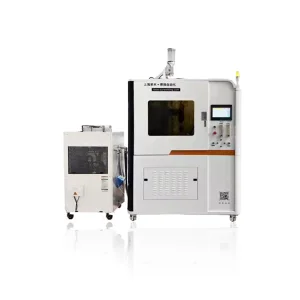
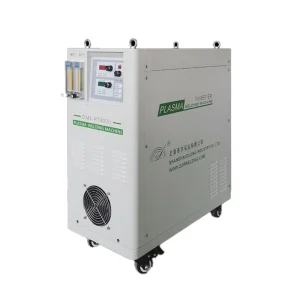
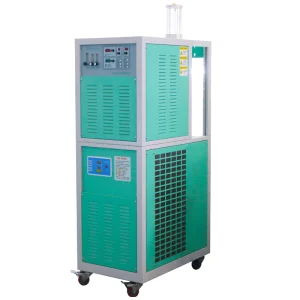
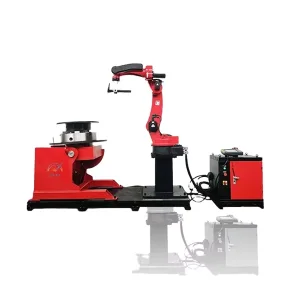
Understanding the transition from traditional TIG welding to robotic Plasma Transferred Arc (PTA) & Laser Cladding systems for global industrial applications.
In modern industrial manufacturing, the phrase "Saldare TIG" (Tungsten Inert Gas welding) represents the gold standard for manual precision joint fabrication. TIG welding, utilizing a non-consumable tungsten electrode and an inert shielding gas atmosphere, provides unparalleled control over the heat input and weld pool geometry. However, as heavy industries demand components capable of surviving increasingly aggressive wear, erosion, corrosion, and high-temperature environments, traditional TIG welding processes must evolve.
This evolution has culminated in the development of automated Plasma Transferred Arc (PTA) cladding and Laser Cladding technologies. These systems build upon the basic principles of localized arc shielding found in TIG welding but introduce automated powder feeding and concentrated energy densities. By transforming the manual arc into a highly columnated plasma jet or focusing a coherent laser beam, manufacturers can deposit wear-resistant alloys (such as cobalt-based Stellite, nickel-based alloys, and tungsten carbide composites) with minimal dilution of the base material. This achieves metallurgical bonds far superior to thermal spraying and traditional welding overlays.
Shanghai Duomu houses an independent research and development division staffed by metallurgy experts, control systems engineers, and robotics specialists. Our core technological mission centers on optimizing the efficiency, reliability, and precision of industrial cladding machines.
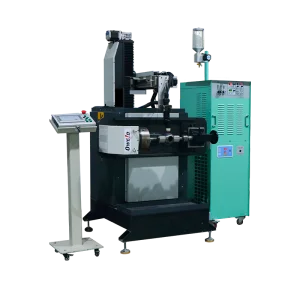
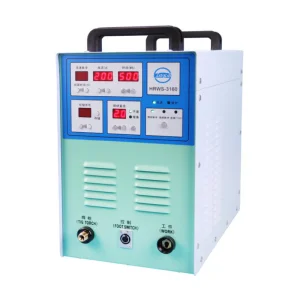
Our PTA cladding systems maintain highly stable electric arcs, allowing long-term continuous operation under harsh factory conditions. Key innovations from our R&D team include advanced control algorithms for synchronous powder feed regulation and closed-loop temperature monitoring. This prevents overheating of the base metal, keeping the Heat-Affected Zone (HAZ) as narrow as possible. For larger remanufacturing projects, our heavy-duty laser cladding systems provide complete solutions designed to restore high-value industrial machinery components to their original tolerances (and often exceeding original wear specifications).
Procuring automated cladding and welding systems from China offers distinct supply chain advantages. The industrial clusters surrounding Shanghai grant direct access to high-purity alloy powder supplies, advanced mechanical components, and world-class structural steel processing. This concentration of resources allows Shanghai Duomu to streamline its design-to-assembly pipelines.
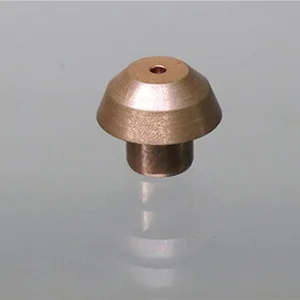
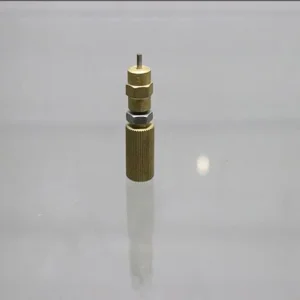
Because we control the entire process from machining components to electrical panel layout and software programming, we offer robust pricing models without compromising component reliability. For instance, our robust nozzles and tungsten calibrators are produced utilizing high-grade raw materials capable of withstanding the extreme thermal stresses of continuous plasma arcs. This ensures that global buyers receive machinery configured with components that outlast standard market alternatives.
When international procurement teams evaluate Saldare TIG and automated PTA cladding manufacturers, several critical criteria dictate their decision-making process:
We provide tailored configurations matching specific geometry requirements, including hydraulic rod cladding systems, pick cladding setups, and custom valve welders.
Designed for continuous multi-shift operations, utilizing optimized heat dissipation in torches to maintain steady arc columns over extended processing periods.
Seamlessly interface with PLC platforms and robotic systems to implement complex cladding paths, preventing manual operational errors.
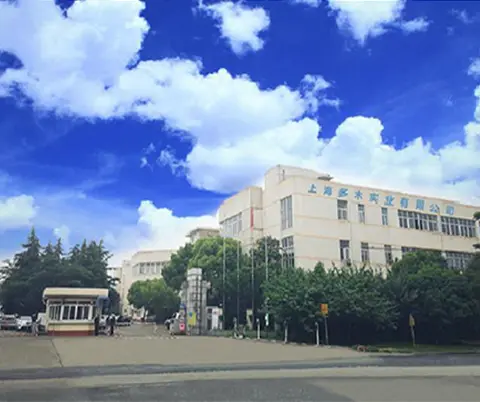
Shanghai Duomu has been a leading manufacturer and exporter of PTA cladding machines and Laser cladding machines for more than ten years with a strong technical background. Our corporate philosophy focuses on engineering excellence and manufacturing robust systems capable of operating in challenging industrial environments. By providing complete sets of industrial equipment solutions, we help our partners reduce material costs, extend machine lifespans, and optimize production efficiencies.
Through continuous research and international collaborations, our products have gained prominence in global markets, proving highly reliable for critical applications in heavy machinery, resource extraction, and high-precision manufacturing.
At present, the company's products have penetrated into many fields such as aerospace military industry, nuclear power, petrochemical industry, coal mines, metallurgy and forging, agriculture, water conservancy and electric power.



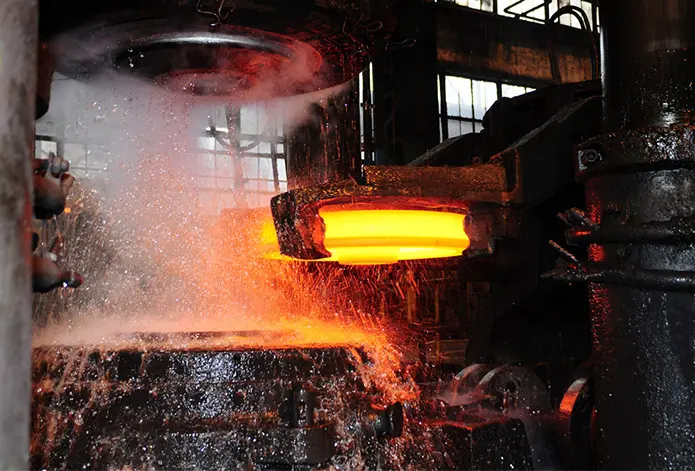
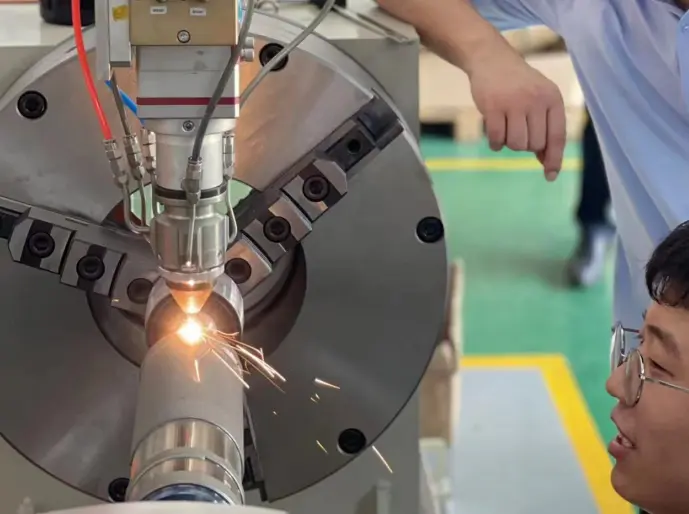
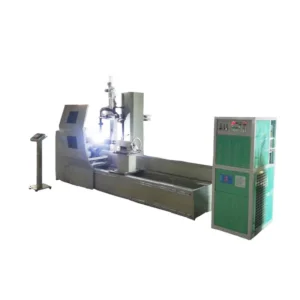
Our technical department specializes in building customizable solutions tailored to the geometry of your workpieces. We design and deliver custom automated welding systems, integrated robotic cladding systems, and heavy-duty gantry frames. Whether hardfacing high-wear agricultural cutting tools, rebuild of hydraulic cylinders, or high-precision repair of turbine blades, our systems ensure precise deposition paths and consistent overlay qualities. By utilizing automated control loops, operators can adjust arc parameters, travel speeds, and feed rates on-the-fly, resulting in minimal surface defects and low dilution rates.
Operating globally requires adherence to international standards and prompt local engineering support.
Deploying advanced cladding systems across various global regions requires strict compliance with mechanical and electrical standards. Shanghai Duomu systems are built to conform with CE directives and international safety guidelines, ensuring easy integration in manufacturing facilities throughout Europe, the Americas, and Southeast Asia. We supply comprehensive documentation, circuit diagrams, and safety protocols to ensure hassle-free regulatory approvals at the customer's facility.
To support our international customer base, we offer dedicated localized services, including remote diagnostics via industrial IoT interfaces, online commissioning assistance, and regional service partnerships. Our technical staff provides customized training programs for operators, covering system setup, programming of custom cladding paths, and routine nozzle maintenance. This guarantees that your team can run and maintain the equipment efficiently, minimizing startup times and maximizing productivity.
The technological trajectory of wear-protection overlays is moving rapidly towards automation, digitalization, and additive manufacturing.
The industrial surface modification sector is undergoing a transition driven by smart manufacturing initiatives. Three major trends are redefining the industry:
Read articles and operational findings from engineering professionals utilizing our hardfacing technologies.
"In Plasma Transferred Arc (PTA) hardfacing, achieving a high-quality overlay is not only about selecting the right alloy powder or optimizing welding parameters. One of the most critical factors that directly affects overlay performance is the dilution rate. Whether you require minimum dilution or maximum bond strength, managing the heat input is key."
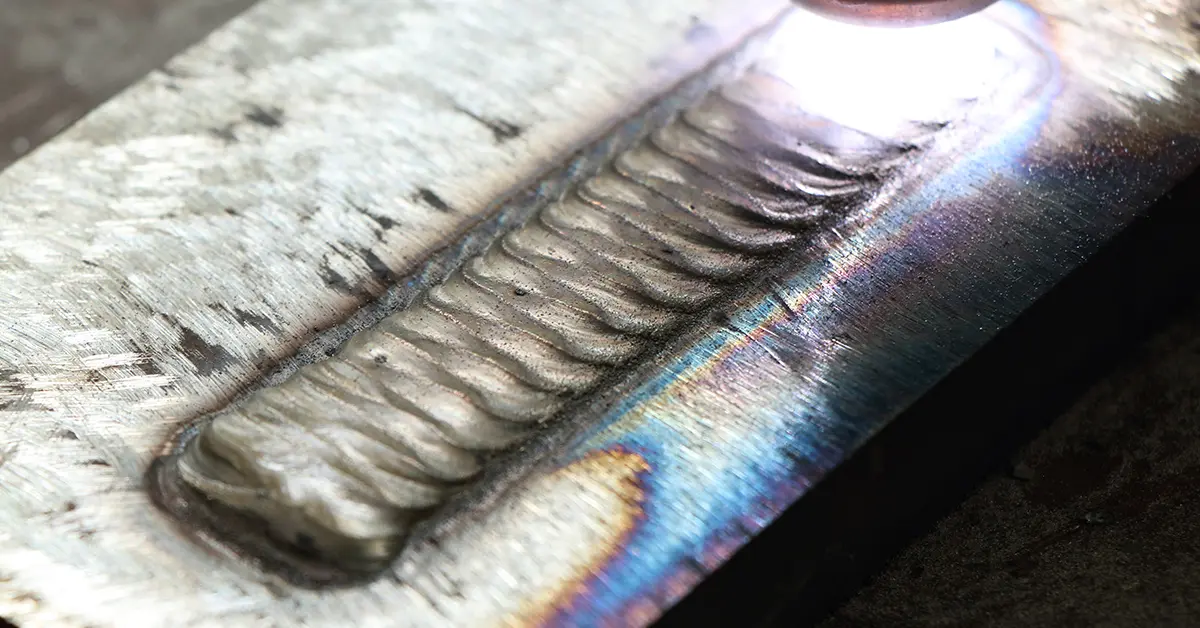
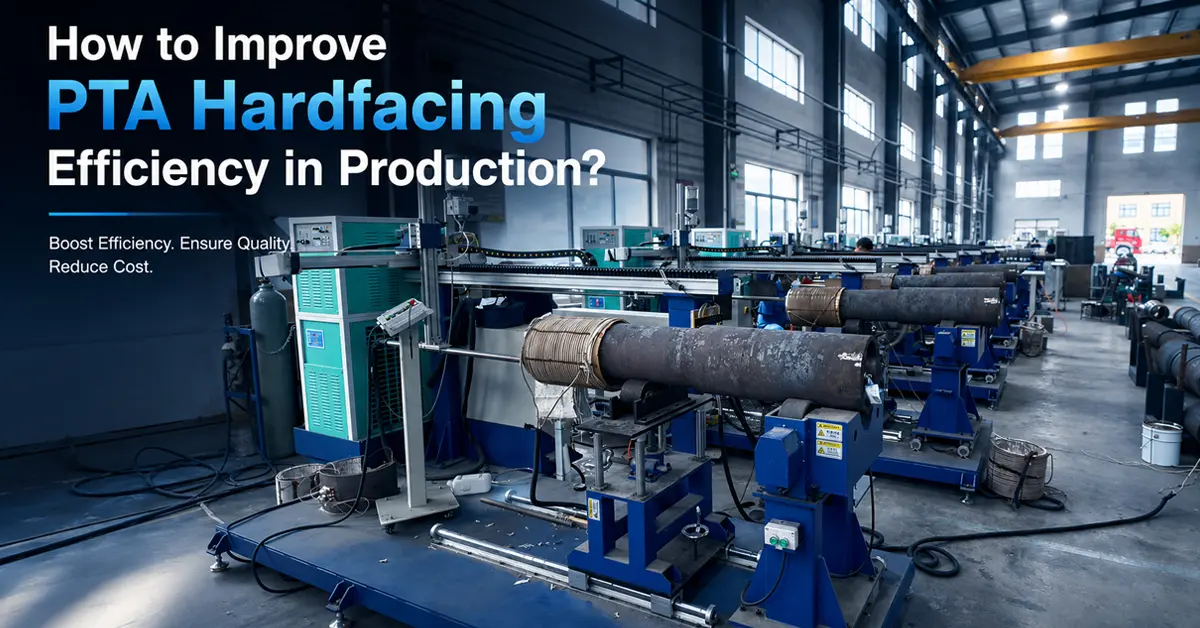
"Introduction Improving PTA hardfacing efficiency is not simply about increasing welding speed or depositing more alloy within a shorter time. In industrial production, the real efficiency of a Plasma Transferred Arc (PTA) hardfacing process depends on the consistency of the powder feed and maintaining clean arc conditions."
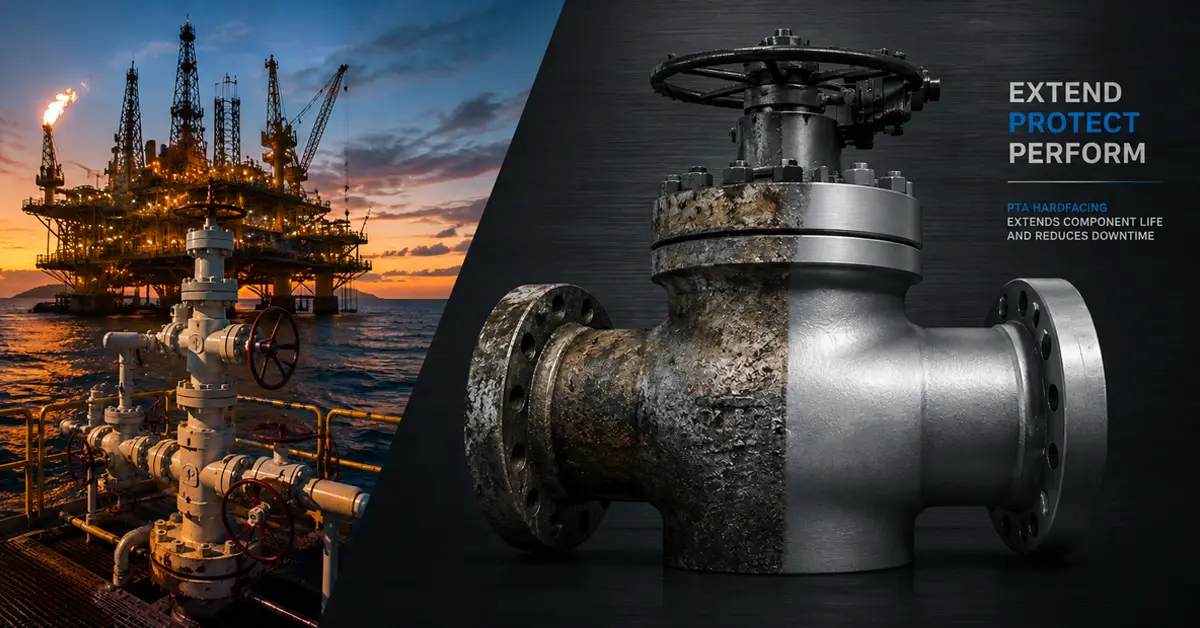
"In Oil & Gas, the Real Cost Is Downtime—Not the Component. When a choke valve fails due to sand erosion, a mud pump valve seat wears beyond tolerance, or a drill stabilizer reaches the end of its service life, the traditional response is replacement. Laser cladding offers a faster, more permanent repair method."
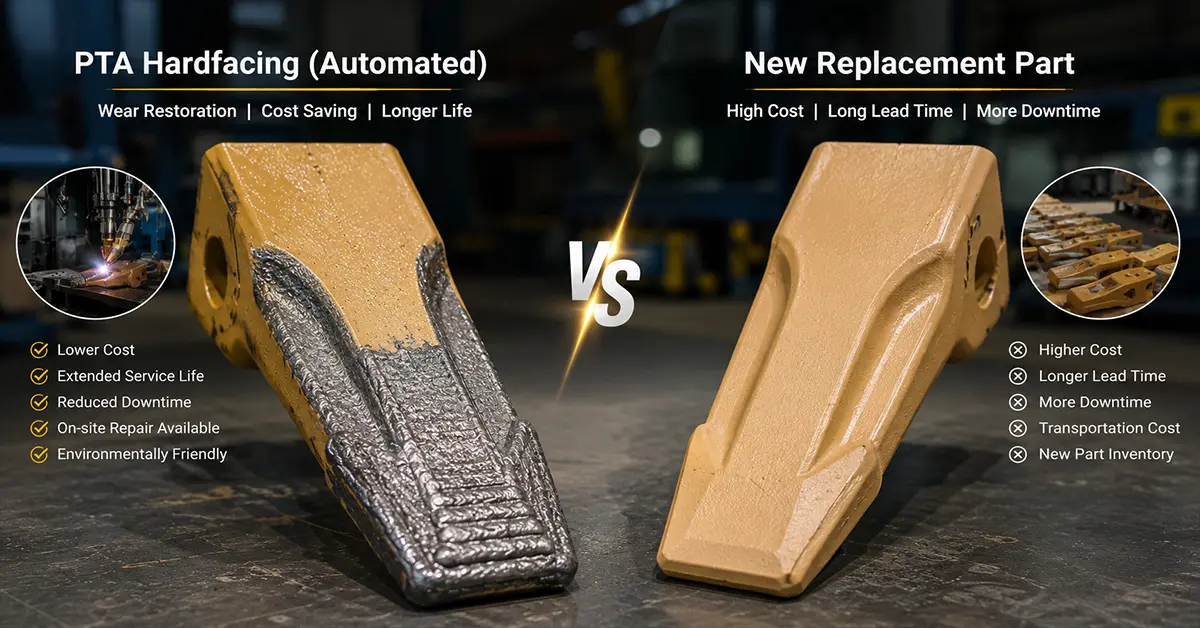
"For industrial equipment operating in abrasive, erosive, corrosive, or high-temperature environments, wear is inevitable. The real challenge is not preventing wear altogether but choosing the most cost-effective maintenance strategy once wear occurs. PTA and Laser Cladding systems extend tool life up to 5x."
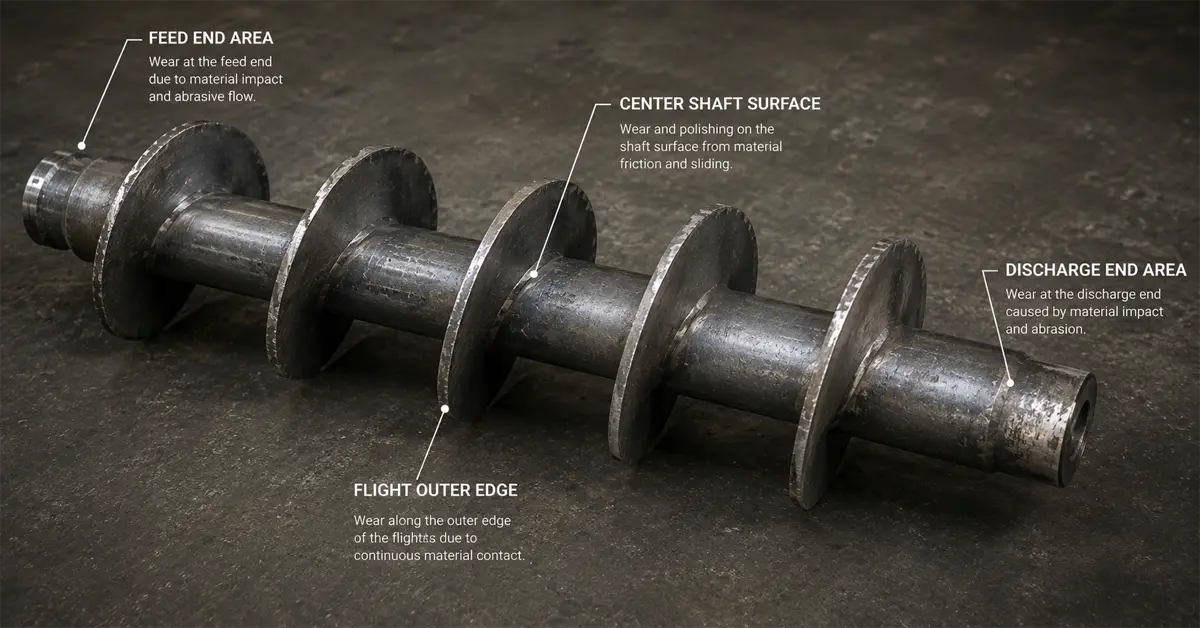
"In industries such as mining, cement, power generation, steelmaking, chemical processing, and biomass energy, screw conveyors are often regarded as auxiliary equipment. However, maintenance data shows that they are among the most frequent causes of unplanned production shutdowns unless properly hardfaced."
Get answers to critical technical and logistical questions regarding PTA and Laser Cladding systems.
A: While both use a tungsten electrode and inert shielding gas, TIG welding is primarily a manual or semi-automated joint joining technique with lower deposition rates. PTA cladding utilizes an automated, highly-focused plasma arc and a continuous powder feeder. This achieves high deposition rates (up to 10 kg/h) and limits base-metal dilution to under 10%, which is ideal for applying thick, wear-resistant coatings onto heavy machinery components.
A: Laser cladding uses a laser beam as the heat source, delivering a very narrow Heat-Affected Zone (HAZ), exceptionally low dilution rates (<5%), and high precision. It is ideal for high-precision components like turbine blades or complex valves. PTA is more cost-effective for larger surfaces, offering higher deposition rates and thicker overlay coats (typically 2mm to 6mm per pass).
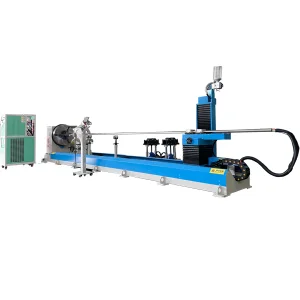
A: Yes. We design custom cladding heads and specialized machinery (e.g., our DSL-LC401 Double cone injection molding machine barrel inner hole cladding machine) specifically for surfacing the interior diameters of cylinders and barrels. Our engineering department develops custom nozzles and torches to match the physical constraints of your workpieces.
A: Our systems are compatible with a wide range of atomized metal powders, including Cobalt-based alloys (e.g., Stellite), Nickel-based self-fluxing alloys, Iron-based alloys, and Tungsten Carbide (WC) composites. Choosing the right powder depends on whether the primary wear mechanism is abrasion, corrosion, impact, or high-temperature oxidation.
A: We provide complete technical packages including circuit diagrams, operational manuals, and software documentation in English. Our engineers offer remote commissioning support, and we facilitate video-based diagnostic sessions. We also collaborate with regional mechanical equipment distributors to supply local setup, training, and maintenance services.
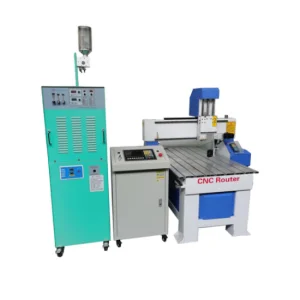
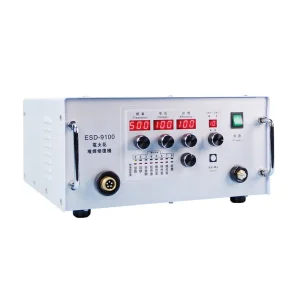
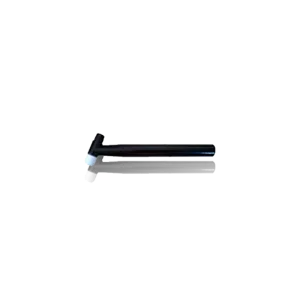
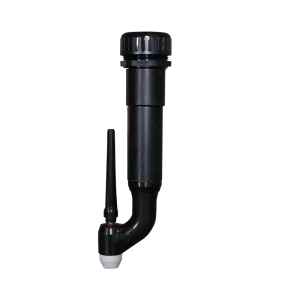
Complete your production lines with our range of high-precision torches, calibrators, and specialized gantry assemblies.




Get detailed technical specs, mechanical dimensions, and competitive factory pricing customized for your facility.
Submit Inquiry NowUnit 2, No.615 Feng Deng Road, Jiading District, Shanghai, China