Explore our leading industrial surfacing and cladding equipment engineered for durability and high deposition quality.
In modern heavy industrial manufacturing, surface degradation due to excessive abrasive wear, corrosion, and thermal stress accounts for billions of dollars in annual losses. Traditional surface coating methods—such as electroplating, thermal spraying, and conventional arc overlay welding—often fall short. They either introduce massive heat-affected zones (HAZ) leading to part distortion, or they suffer from low metallurgical bond strength, which causes catastrophic delamination under high mechanical load.
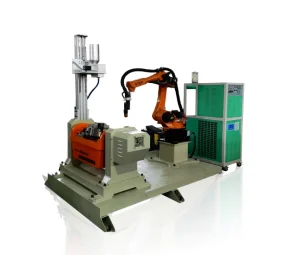
As a leading robotic laser cladding system supplier, Shanghai Duomu has developed advanced additive manufacturing and surface modification solutions. By integrating high-power fiber lasers or plasma arcs with precision multi-axis industrial robots, our systems achieve near-perfect metallurgical bonding, incredibly low dilution rates, and unmatched process reliability. This whitepaper analyzes the mechanical characteristics, localized compliance frameworks, supply chain dynamics, and structural trends defining the automated cladding industry today.
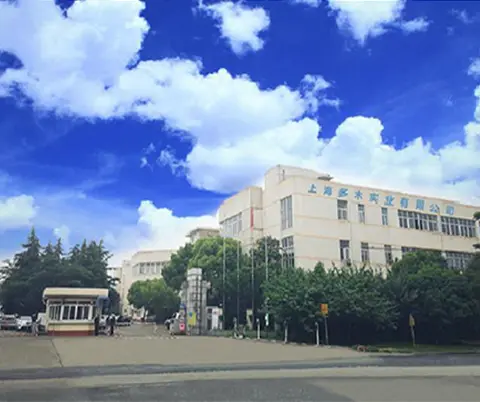
Shanghai Duomu has been a leading manufacturer and exporter of PTA cladding machines and Laser cladding machines for more than ten years with a strong technical background. Our dedicated commitment to surface engineering research has allowed us to deliver complete, automated manufacturing cells that serve demanding heavy industries around the globe.
Our capabilities range from localized repair units to massive, gantry-style multi-axis robotic cladding installations. We bridges the gap between scientific metallurgy and robust shop-floor execution, ensuring that our clients receive systems that optimize both capital expenditure and operational throughput.
Read More About Our Journey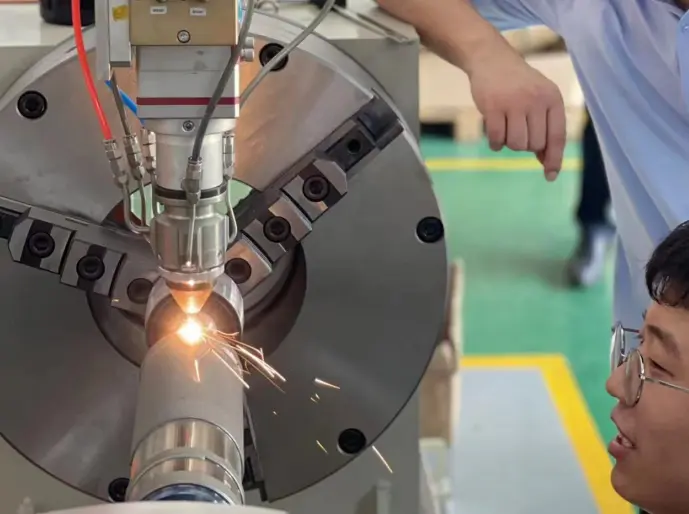
At Shanghai Duomu, we boast an independent R&D team that develops, produces, and sells high-performance plasma cladding machine equipment and advanced laser cladding cells. The engineering team focuses on system stability, ensuring that our welding power sources and laser control modules maintain efficient, long-term operations under harsh industrial conditions.
In addition, our laser cladding equipment is engineered to support large-scale remanufacturing projects. By using proprietary CAD-to-Path offline programming systems and real-time coaxial powder feed mechanisms, we provide complete sets of industrial equipment solutions configured for the unique operational requirements of global manufacturers.
Get in touch with an EngineerOur robotic laser cladding and PTA systems are deployed in critical sectors to dramatically extend components service life.

Our systems apply wear-resistant alloy coatings (such as cobalt or tungsten carbide matrices) to tillage parts, seeders, and harvester blades, increasing service life by 300% under abrasive soil conditions.

High-precision multi-axis robots enable rebuilds of expensive turbine blades, compressor disks, and actuator shafts. The minimal heat-affected zone ensures zero mechanical deformation.

Perfect for cladding mud pump cylinders, drill stabilizers, and valve gates exposed to highly corrosive downhole fluids, high pressure, and severe sand abrasion.
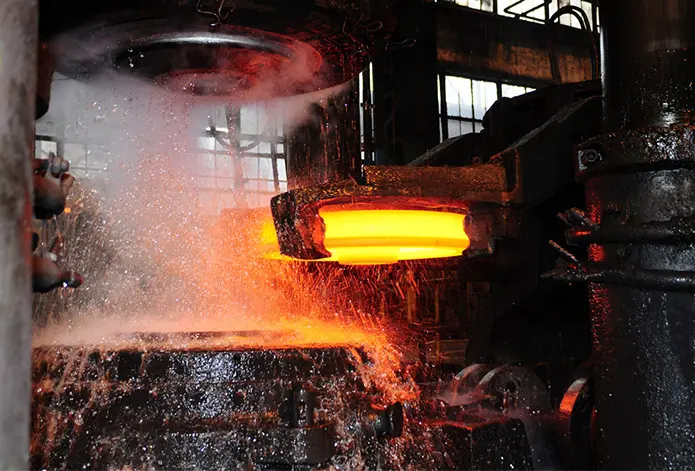
Our heavy-duty robotic cladding systems are designed to repair and reinforce continuous casting rolls, forging dies, and hot extrusion tooling, reducing critical mill downtime.
Understanding the microstructural differences between Laser Cladding and Plasma Transferred Arc (PTA) cladding is essential for selecting the correct equipment for industrial deployment. Our team excels at both technologies, allowing us to supply unbiased, application-matched technical systems.
In robotic laser cladding, a high-power coherent laser beam is focused on the substrate material, creating a localized melt pool. Simultaneously, metallic powder is introduced coaxially or laterally via a precision carrier gas feed. The high energy density of the laser allows the powder to melt rapidly while requiring only minimal melting of the base substrate.
This process results in a metallurgical dilution rate of under 5%, sometimes as low as 1% to 2%. Because the base material does not mix significantly with the cladding alloy layer, the protective properties of the cladding material (e.g., Stellite 6, Inconel 625, or carbide composites) are preserved in their pure form within the first pass. Heat input is extremely concentrated, which minimizes mechanical distortion and limits the Heat-Affected Zone (HAZ) to microscopic depths.
Plasma Transferred Arc (PTA) technology utilizes a constricted plasma arc between a non-consumable tungsten electrode and the workpiece. The powder is fed directly into the plasma arc column, where it is melted and deposited onto the substrate. PTA offers deposition rates that are significantly higher than standard laser systems, making it highly economical for massive parts.
PTA dilution rates generally fall between 5% and 15%. This is higher than laser cladding but significantly lower than traditional flux-cored arc welding (FCAW) or submerged arc welding (SAW). For heavy-duty components like screw conveyor flights, agricultural wear plates, and large hydraulic rods, PTA provides a thick, robust barrier layer at a lower operational cost per kilogram of deposited material.
Operating from Shanghai, Duomu leverages the robust industrial and logistics supply chain of East China. This geographical benefit allows us to source high-grade optical components, precision 6-axis industrial robotic arms, and premium electronics at competitive costs. Our internal assembly, calibration, and QC testing processes ensure that these components perform at global standards before shipping, resulting in a system that offers exceptional ROI without compromising on reliability.
Global procurement teams must consider localized electrical configurations, safety standards, and operational interfaces when buying cladding systems. Shanghai Duomu ships machinery configured for standard voltages (e.g., 380V, 415V, 480V) and guarantees full compliance with CE, UL, and regional environmental standards.
To support global customers, we offer remote diagnostic support, virtual commissioning, and localized field partners for installation and calibration. We supply detailed documentation, offline CAD/CAM programming post-processors, and comprehensive on-site training to ensure your operators can transition to automated cladding with minimal downtime.
We provide tailored automated solutions built to address specific component geometries and metallurgical challenges.
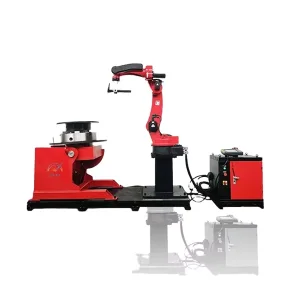
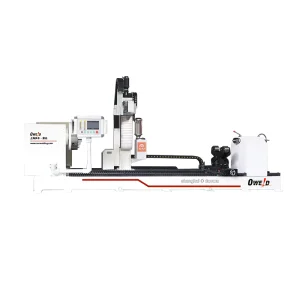
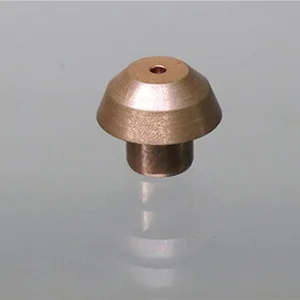
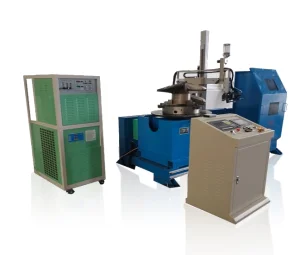
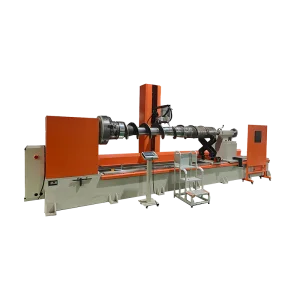
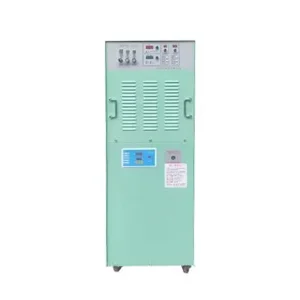
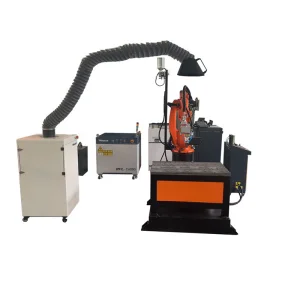
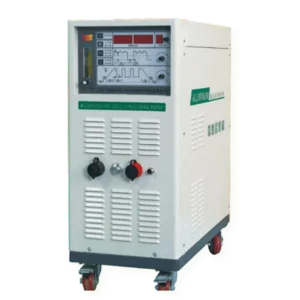
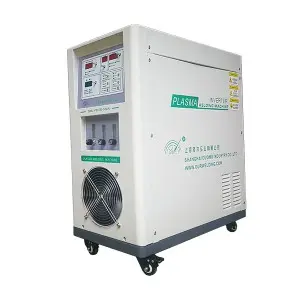
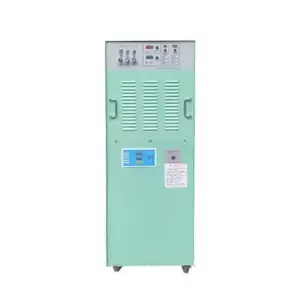
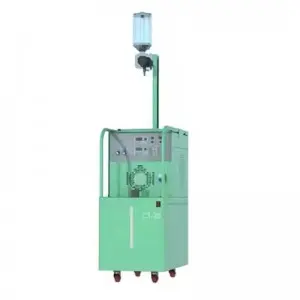
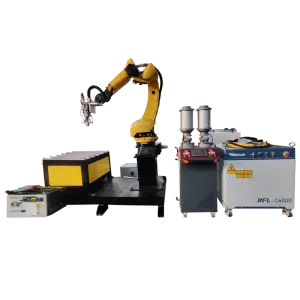
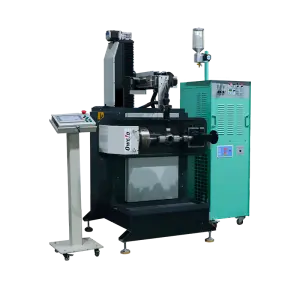
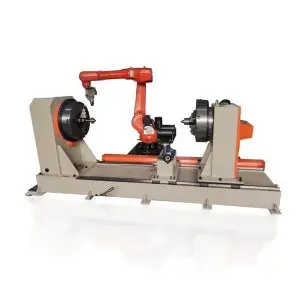
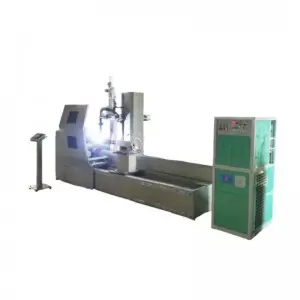
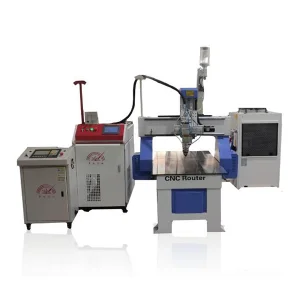
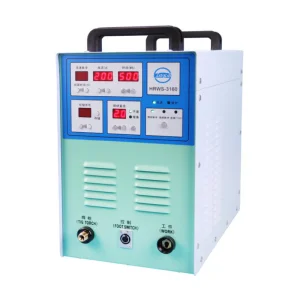
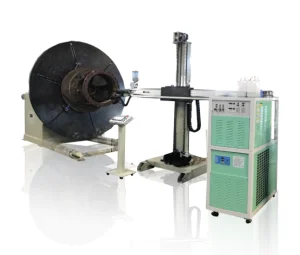
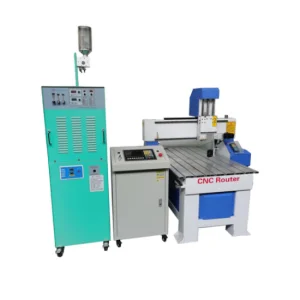
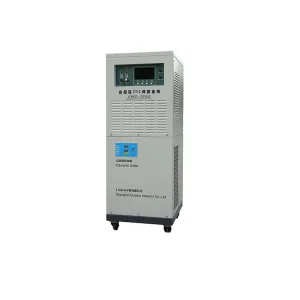
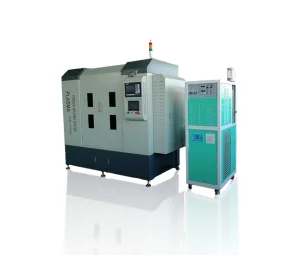
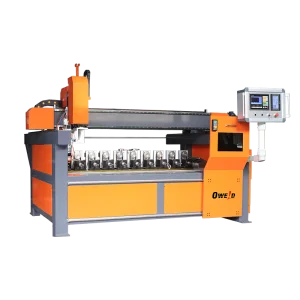
No two industrial operations are identical. Shanghai Duomu provides comprehensive custom engineering to build specialized cladding systems tailored to your needs. This includes hydraulic rod cladding machines, coal mining pick cladding machines, industrial valve cladding stations, and custom laser hardening lines. Below is a selection of our specialized product configurations designed to perform in challenging production environments:
Understand the metallurgical principles and operational strategies behind successful surface modifications.
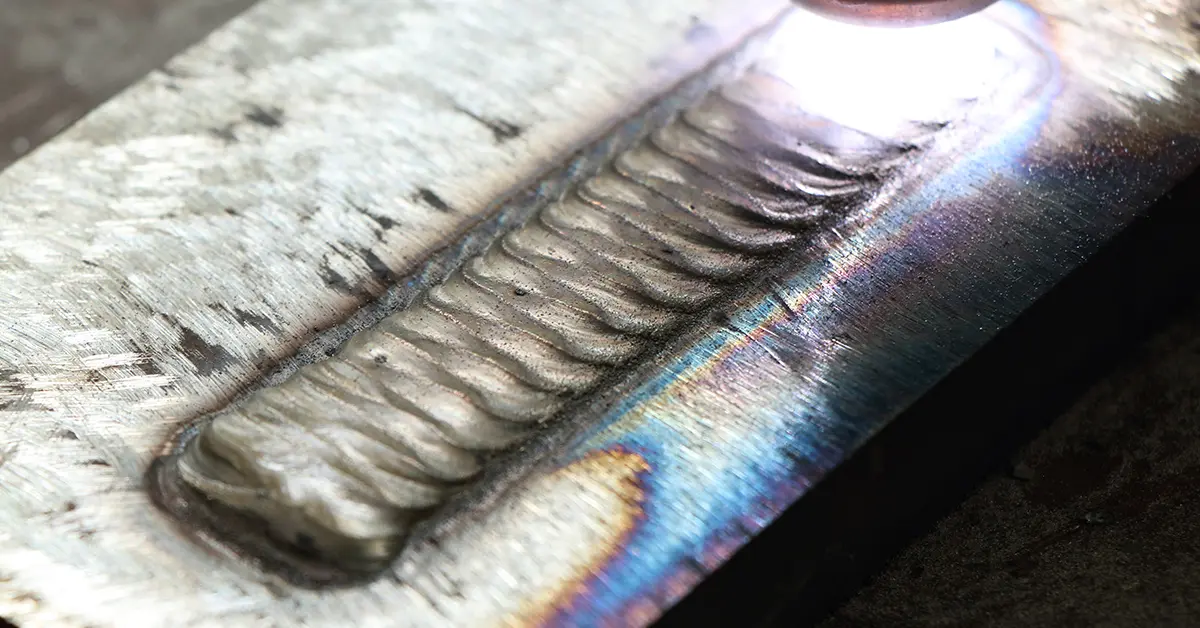
In Plasma Transferred Arc (PTA) hardfacing, achieving a high-quality overlay is not only about selecting the right alloy powder or optimizing welding parameters. One of the most critical factors that directly affects overlay performance is the dilution rate. Whether you require minimal base metal mixing or deep penetration determines the system parameters needed to optimize wear layer performance.
Read Full Engineering Guide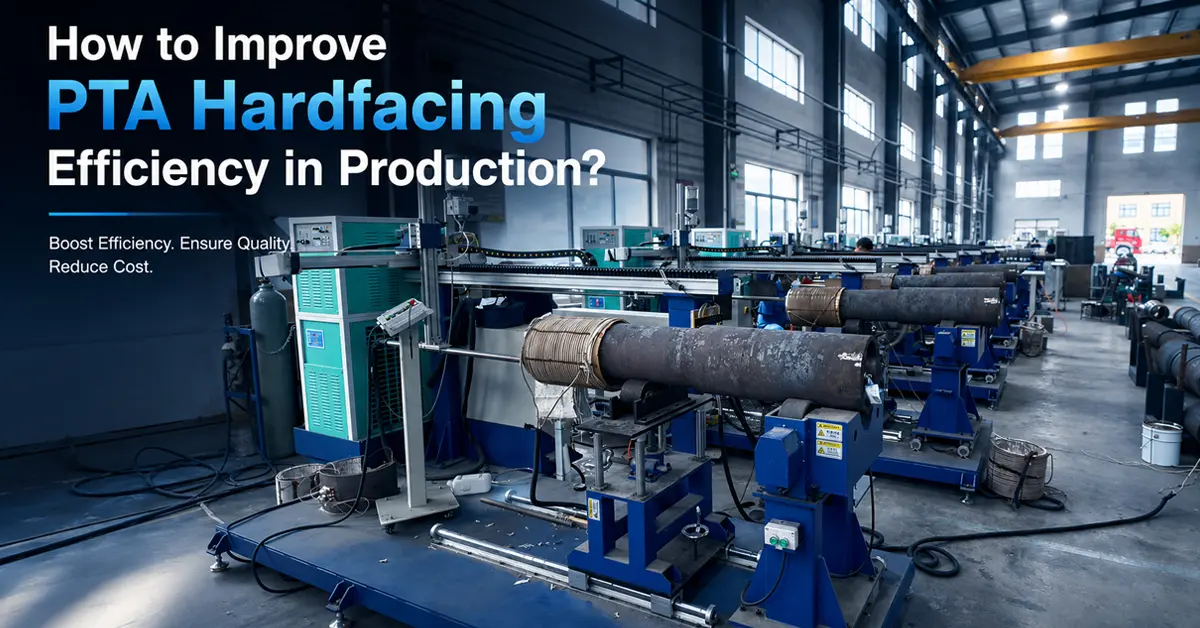
Introduction: Improving PTA hardfacing efficiency is not simply about increasing welding speed or depositing more alloy within a shorter time. In industrial production, the real efficiency of a Plasma Transferred Arc (PTA) hardfacing process depends on power cycle optimization, feeding consistency, and reducing pre-heat and post-heat cooling requirements.
Read Technical Study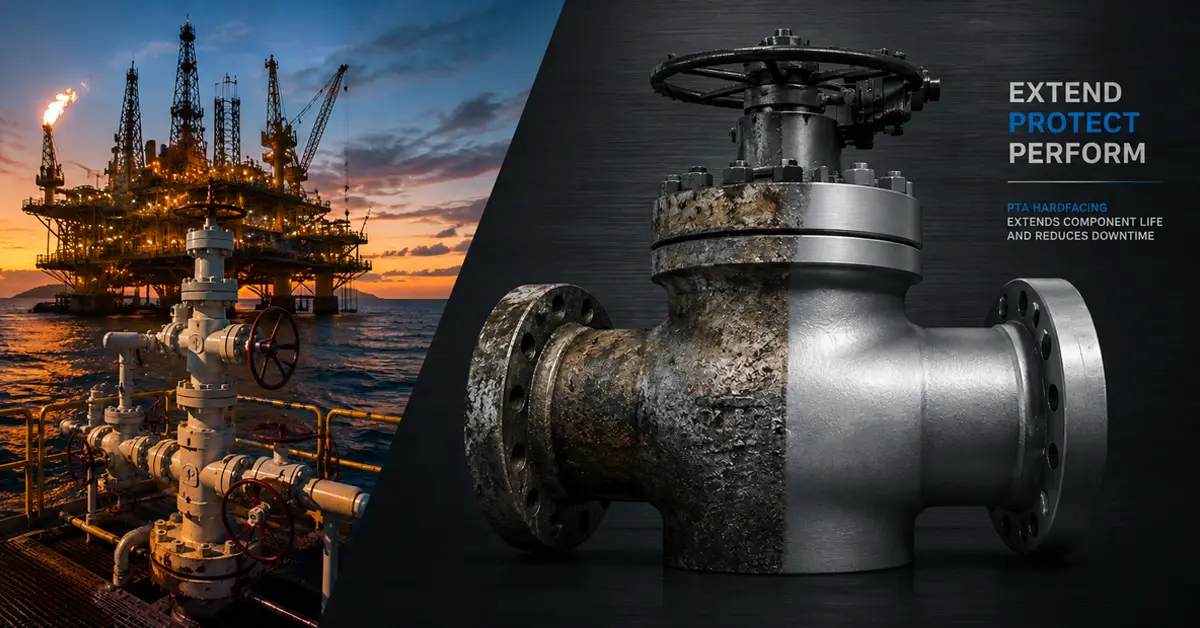
In Oil & Gas, the Real Cost Is Downtime—Not the Component. When a choke valve fails due to sand erosion, a mud pump valve seat wears beyond tolerance, or a drill stabilizer reaches the end of its service life, the traditional response of direct replacement is highly inefficient compared to robotic laser cladding, which offers premium rebuilt protection.
Read Industry Case Study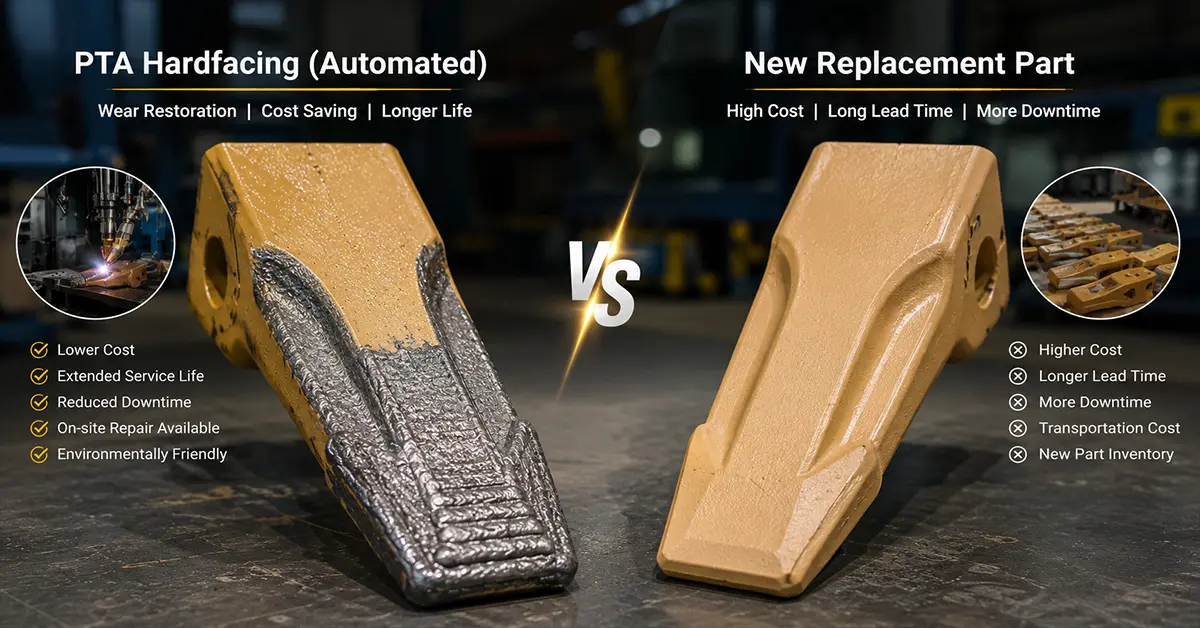
For industrial equipment operating in abrasive, erosive, corrosive, or high-temperature environments, wear is inevitable. The real challenge is not preventing wear altogether but choosing the most cost-effective maintenance strategy once wear occurs. Many maintenance teams are transitioning from replacement strategies to on-site robotic surface rebuilding.
Explore Maintenance Models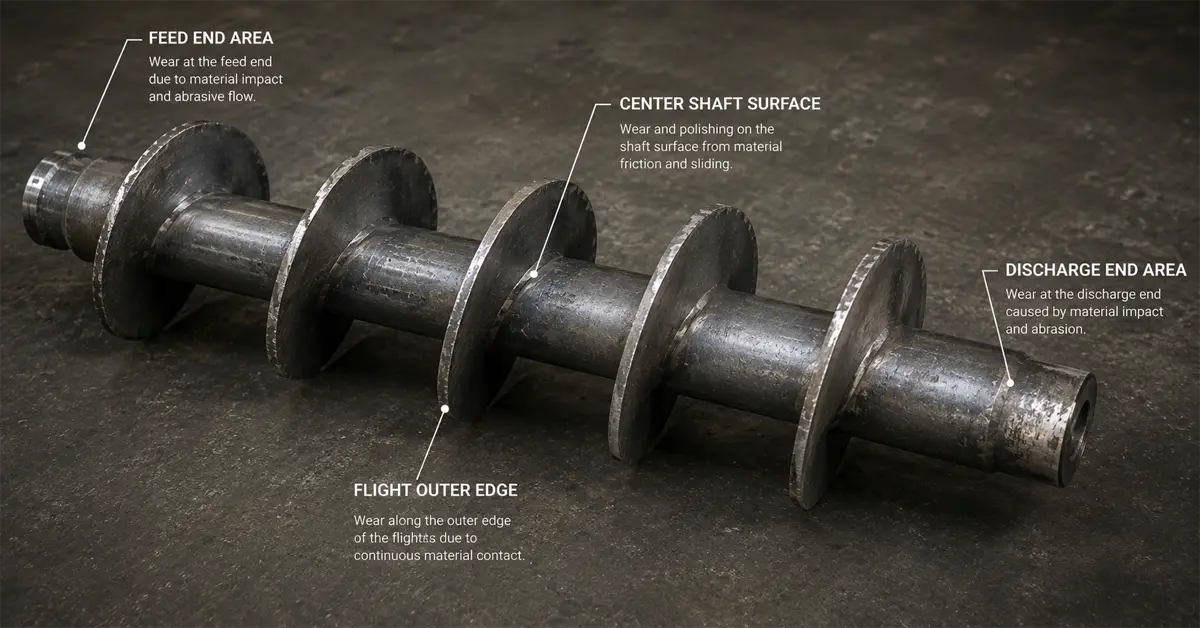
In industries such as mining, cement, power generation, steelmaking, chemical processing, and biomass energy, screw conveyors are often regarded as auxiliary equipment. However, maintenance data shows that they are among the most frequent causes of unplanned production delays. Applying automated PTA powder cladding extends screw flight life up to five times.
Analyze Wear DataThe industrial surface modification sector is transitioning toward higher automation levels and smarter control loops. As a high-end robotic laser cladding system supplier, Shanghai Duomu is leading this shift by integrating smart sensing devices directly into our robotic cells. Our research and development efforts focus on several key areas:
Get professional answers to metallurgical, configuration, and operation queries.
Typically between 1% and 5%. The low heat input of our fiber laser systems melts only a thin surface layer of the substrate, ensuring that the deposited alloy (like Stellite or Colmonoy) maintains its nominal composition and hardness without significant mixing with the base steel.
PTA cladding generally yields deposition rates of 2 to 10 kg/hr, which is higher than standard laser cladding (0.5 to 3 kg/hr) at a lower initial investment. However, laser cladding provides a smaller heat-affected zone, tighter dimensional control, and thinner deposition capability (down to 0.2mm per pass).
Yes. By utilizing our integrated 6-axis robotic arms coupled with external dynamic positioners (making a 7-axis or 8-axis system), our systems maintain the cladding head at a perpendicular angle to complex surfaces like flight screws, extrusion molds, and helical paths.
We provide full layout design, installation support, and on-site operator training. For international customers, we offer remote diagnostic links and virtual commissioning, alongside detailed video guides and post-processor files for standard CAD/CAM platforms.
Absolutely. We build and configure our control cabinets to match the customer's local power grid requirements (e.g., 380V/50Hz, 440V/60Hz, 480V/60Hz), ensuring smooth compliance and integration with your factory's electrical system.
Our feeders support a wide range of powders, including iron-based, nickel-based, cobalt-based alloys (Stellite series), and tungsten carbide blends (WC-Co/Ni). The powder feeder features dual-feed hoppers for precise mixing during processing.
We integrate high-quality global standard components to guarantee long-term field reliability.




Complete your automated production line with high-precision gantry axes, positioners, and control interfaces.