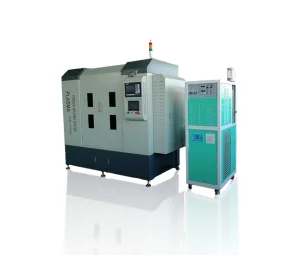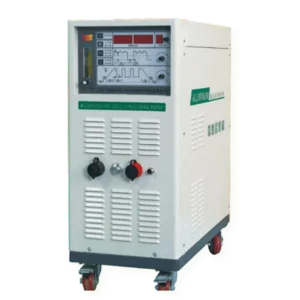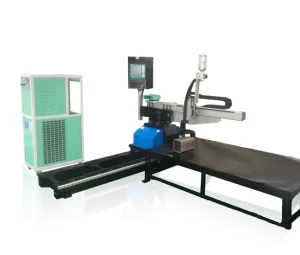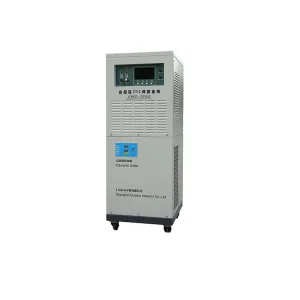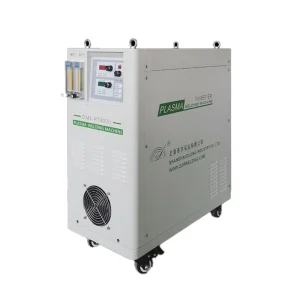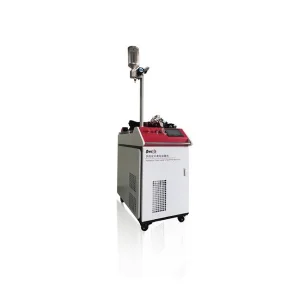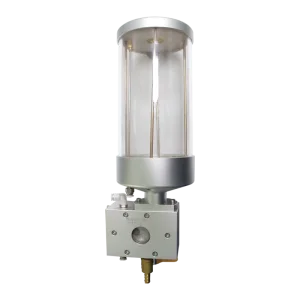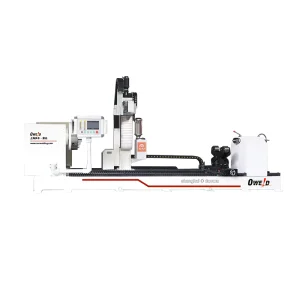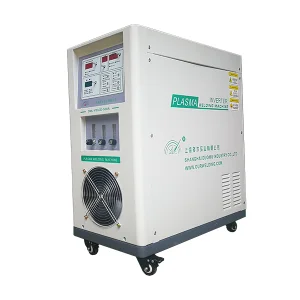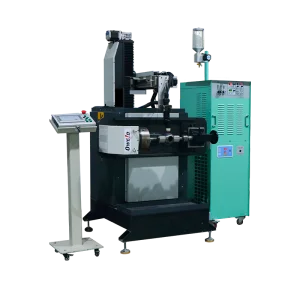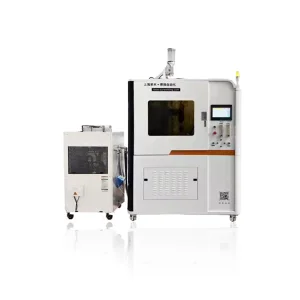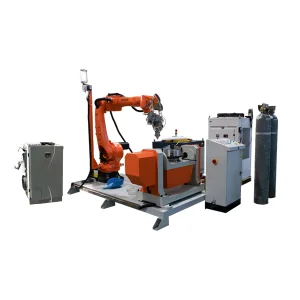
High-precision equipment engineered for durability and efficiency.
In the high-stakes world of industrial manufacturing, the choice between MIG (Metal Inert Gas), MAG (Metal Active Gas), and TIG (Tungsten Inert Gas) welding processes is not just a technical preference—it is a strategic decision that affects the structural integrity, surface longevity, and lifecycle cost of critical components. For global enterprises sourcing from China's Tier-1 suppliers, understanding these distinctions is the first step toward achieving operational excellence.
At Shanghai Duomu, we leverage over a decade of technical mastery to transcend traditional welding. While MIG/MAG/TIG form the bedrock of fusion welding, our focus on Plasma Transferred Arc (PTA) and Laser Cladding represents the next evolution, offering superior hardfacing capabilities for industries ranging from aerospace to deep-sea oil extraction.
| Feature | MIG (GMAW) | MAG (GMAW) | TIG (GTAW) |
|---|---|---|---|
| Gas Type | Inert (Argon/Helium) | Active (CO2/O2 Mix) | Inert (Argon) |
| Electrode | Consumable Wire | Consumable Wire | Non-consumable Tungsten |
| Speed | Very High | Very High | Moderate/Slow |
| Precision | Moderate | Moderate | Exceptional |
| Primary Application | Non-ferrous metals (Aluminium) | Steel / Structural Alloys | Thin sheets / Aerospace / Nuclear |
Primarily used for high-volume production. The continuous wire feed allows for long, uninterrupted welds. In China's "Factory 4.0" environment, MIG/MAG systems are frequently integrated with 6-axis robotic arms for automotive and heavy machinery assembly.
When quality cannot be compromised, TIG is the gold standard. It offers the cleanest welds with minimal spatter, making it essential for the medical, food grade, and aerospace sectors. Our DFC-WSME550 exemplifies this high-precision requirement.
Modern "Information Gain" in SEO terms for this industry lies in the transition to PTA and Laser Cladding. These processes take the precision of TIG and the speed of MIG to create metallurgical bonds with extremely low dilution rates, extending part life by 300% to 500%.
China's welding equipment factories, especially in hubs like Shanghai, benefit from a complete upstream and downstream ecosystem. From raw tungsten sourcing for electrodes to advanced PLC control systems, the proximity of components ensures faster lead times.
It is not just about "cheap" labor anymore. China’s competitive edge now lies in Advanced Automation. Shanghai Duomu’s independent R&D team develops plasma cladding equipment that matches European standards at a significantly optimized total cost of ownership (TCO).
During global disruptions, our factory maintained a 98% on-time delivery rate. We provide macro-industry solutions that include localized maintenance kits and remote digital diagnostic support, ensuring your production line never stops.

Hardfacing of soil-engaging tools like plowshares and harvester blades using our plasma surfacing systems reduces wear by 4x compared to untreated steel.

TIG and Laser Cladding are critical for turbine blade repair and engine component manufacturing. Our Laser cladding machine for blades provides micron-level accuracy.
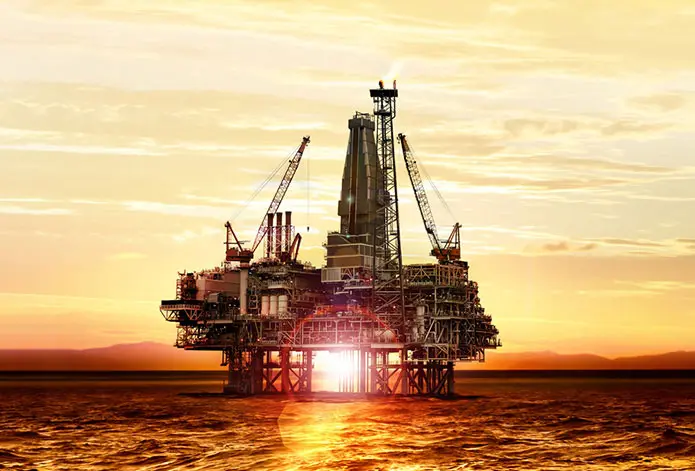
Protecting drill bits and stabilizers from corrosive fluids and abrasive sands. Shanghai Duomu offers customized PTA hardfacing for valves and mud pump seats.
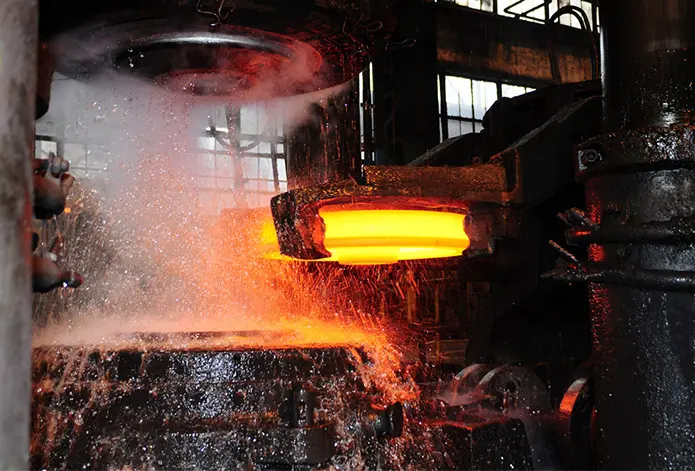
Extending the life of continuous casting rollers through automated cladding systems like the DYY-LC501 for shaft repair.
The future of MIG, MAG, and TIG is inherently tied to Digitalization and Hybridization. Shanghai Duomu is currently pioneering the integration of AI-driven weld pool monitoring and real-time parameter adjustment.
We understand the importance of regional presence. Shanghai Duomu provides comprehensive technical documentation in English and offers 24-hour response times for troubleshooting.
Our products comply with international standards. From CE marking to ISO 9001:2015, we ensure that every MIG, TIG, or Plasma machine shipped from our factory meets your local safety and performance regulations.
E-E-A-T Principle: In hardfacing, achieving a high-quality overlay is about optimizing the dilution rate. Our engineers provide consultative services to help you select the right alloy powders for your specific environmental stress.
Years Experience
Global Patents
Annual Projects
Fast Response
The primary difference is the shielding gas. MIG uses inert gases like Argon for non-ferrous metals, whereas MAG uses active gas mixtures (CO2 + Argon) for steels. MAG is generally more cost-effective for heavy steel fabrication common in Chinese factories.
Plasma Cladding (PTA) offers a much higher energy density, leading to faster deposition rates and a much lower dilution rate (below 5%). This results in a superior metallurgical bond and better wear resistance for industrial components.
Yes. We specialize in customized automated solutions, including hydraulic rod cladding machines, valve cladding equipment, and robotic laser hardening systems tailored to your factory's specific workflow.
We provide full export support, including sea/air freight coordination. For large-scale cladding systems, we offer remote installation guidance and on-site training to ensure your team is proficient in operating the machinery.
Get in touch with Shanghai Duomu's technical experts for a personalized consultation on MIG, MAG, TIG, or Plasma cladding solutions.
Unit 2, No.615 Feng Deng Road, Jiading District, Shanghai, China