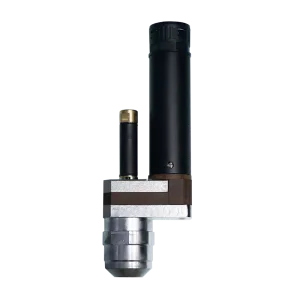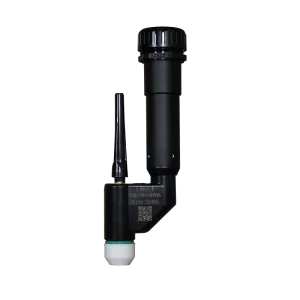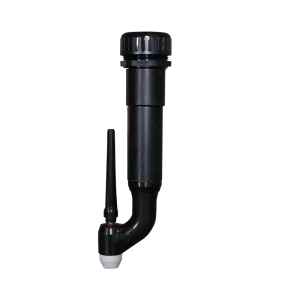
Explore our precision-engineered, independently researched Plasma Transferred Arc (PTA) torches, specifically selected for high-wear resistance repairs and automated surfacing operations in the Liguria maritime hub.
Genoa stands as the crown jewel of Italian maritime engineering. From the historic shipbuilding docks of Sestri Ponente to the intensive repair and maintenance basins of the Port of Genoa (Bacini di Carenaggio), mechanical components are continuously subjected to extreme environments. Salt-water corrosion, high-velocity sand erosion, cavitation, and thermal fatigue wreak havoc on propulsion components, mud pump parts, and marine valve assemblies.
Traditional repair methods like Submerged Arc Welding (SAW) or standard Gas Tungsten Arc Welding (GTAW) often fall short because of excessive heat-affected zones (HAZ) and unacceptably high base-metal dilution rates. This is where Plasma Transferred Arc (PTA) cladding and precision laser cladding technology become indispensable.
As a premier technical partner for Genoa's industrial sector, Shanghai Duomu integrates high-grade powder surfacing torches and automated CNC cladders designed to minimize substrate degradation. Whether rebuilding stabilizer fins, surfacing marine engine exhaust valves with Stellite, or hardening large conveyor screws for bulk port cargo, our systems deliver the metallurgic reliability required to clear Lloyd's Register and RINA (Registro Italiano Navale) inspections.
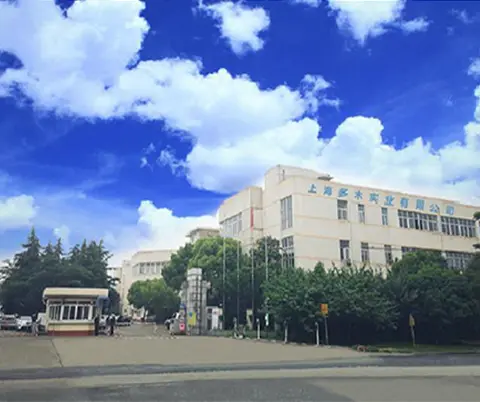
For over a decade, Shanghai Duomu has positioned itself at the cutting edge of industrial surfacing technologies. Backed by a strong technical background and a dedicated research division, we have evolved from a regional manufacturer to a global exporter of PTA cladding machines and high-power laser cladding equipment.
Our core mission is to provide global industries—specifically those demanding strict wear resistance and structural restoration protocols like Genoa's heavy workshops—with high-reliability, long-lifetime hardware. We specialize in matching complex alloy powders (such as Cobalt-based alloys, Nickel-based alloys, Iron-based alloys, and Tungsten Carbide composites) to the precise thermal signatures of our proprietary plasma and laser torches.
By controlling every step from R&D to direct-to-site supply, we ensure our clients in Liguria and across Italy receive customized automation packages, complete with parameters developed in-house to guarantee immediate productivity upon commissioning.
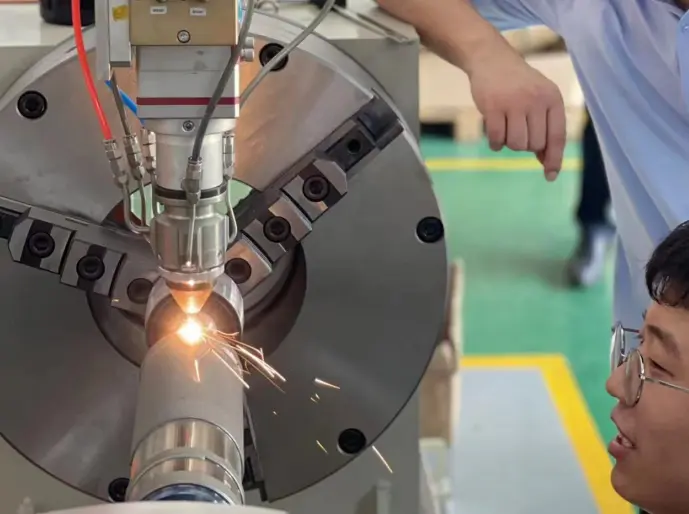
Shanghai Duomu operates an independent research and development wing focused exclusively on thermal arc stability, gas shield fluid dynamics, and precise powder delivery vectors. Our PTA welding machines maintain stable performance across prolonged shifts, sustaining arc consistency even at duty cycles exceeding 80% in ambient shipyard temperatures.
Additionally, our commercial laser cladding equipment easily supports large-scale remanufacturing initiatives. Through mature technological channels, we construct complete turn-key automation solutions configured for immediate factory-floor integration.
No two repair tasks in Genoa's maritime repair ecosystem are identical. We provide bespoke equipment configured for specific industrial geometries. Our specialized portfolio includes:
PTA and Laser cladding are not merely repair options; they are core technologies driving the circular economy in modern manufacturing. Extending the lifecycle of expensive forgings saves up to 85% of material replacement costs and slashes carbon emissions compared to manufacturing new components from scratch.
Our advanced cladding systems have proven their reliability across global heavy sectors. Here are the primary industries where Shanghai Duomu technology delivers daily wear and thermal protection:



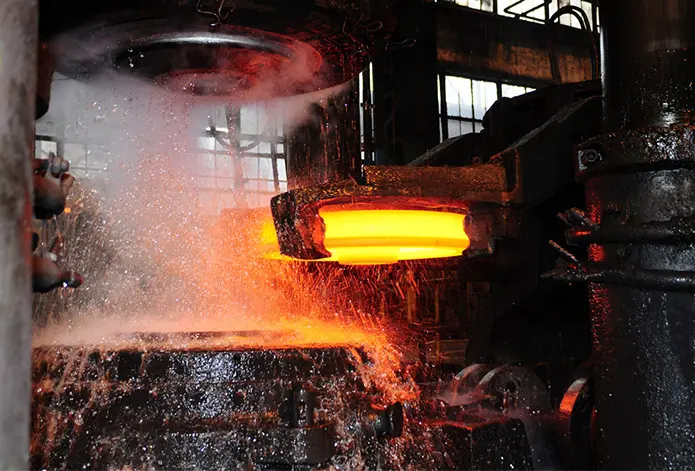
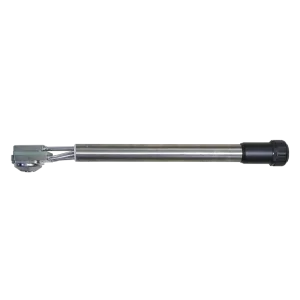
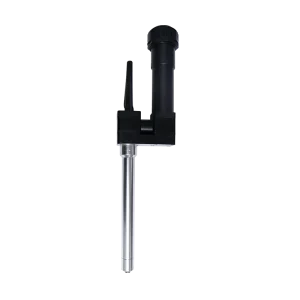
Select from our extensive line of internal bore torches, high-amperage hand torches, and automated CNC cladding platforms configured to boost your throughput in the Genoa industrial region.
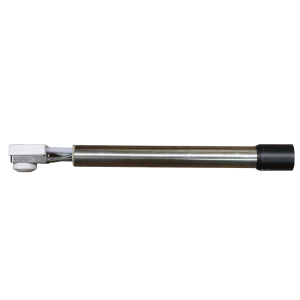
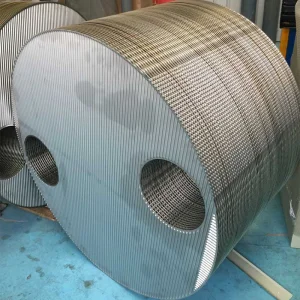
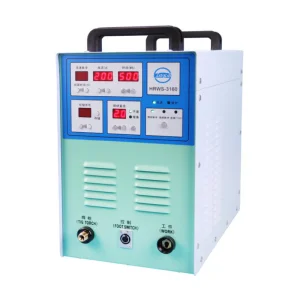
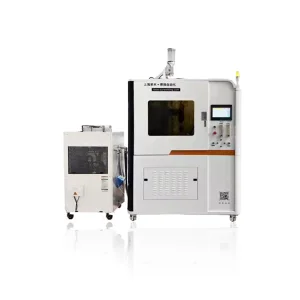
Below is our specialized production machinery line. These automated solutions can be customized to your plant requirements, accommodating workpiece lengths up to 6 meters and weights up to 15 tons.
Highly integrated, high-efficiency PTA powder deposition system optimized for flat, cylindrical, and multi-axis tooling surfacing.
Combines micro-plasma precision control with heavy-duty metal deposition capabilities. Perfect for R&D or diverse workshop jobs.
Ultra-precise laser metal deposition system engineered to rebuild gas turbine blades and marine impeller geometry with minimal thermal distortion.
Specially designed dual-axis rotary clamping automation. Ideal for high-pressure industrial valves requiring cobalt alloy surface protection.
Provides localized thermal surface hardening for gears, molds, and automotive press tooling using highly focused laser optical fibers.
Integrated horizontal lathe style setup specifically targeting wear protection for heavy construction machinery cylinder rods.
In Plasma Transferred Arc (PTA) hardfacing, achieving a high-quality overlay is not only about selecting the right alloy powder or optimizing welding parameters. One of the most critical factors that directly affects overlay performance is the dilution rate.
Dilution is defined as the change in chemical composition of a welding overlay metal caused by the admixture of the base metal. Measured as a percentage, high dilution means more base metal has melted into the deposited coating. For high-wear applications, keeping this rate under 5% is paramount.
If the dilution rate rises too high, elements from the carbon steel or cast iron substrate (such as iron) migrate into the cladding layer. In cobalt-based alloys (e.g., Stellite 6), high iron concentrations reduce hardness and lower the alloy's resistance to corrosion and high-temperature oxidation. Our torches employ patented gas flow and precise pilot arc constraints to ensure the base metal is heated just enough to establish a metallurgical bond without significant melting, keeping dilution at an absolute minimum.
By utilizing Shanghai Duomu PTA torches, operators in Genoa's repair yards can maintain consistent alloy integrity, ensuring that marine exhaust valves and pump impellers survive years of corrosive maritime service instead of failing prematurely.
"Shanghai Duomu's closed-loop powder feed control resolves these issues, providing stable, RINA-compliant overlays."
Read through our technical analysis compiled from field engineering reports across global maritime, oil & gas, and heavy manufacturing sites.
"In Plasma Transferred Arc (PTA) hardfacing, achieving a high-quality overlay is not only about selecting the right alloy powder or optimizing welding parameters. One of the most critical factors that directly affects overlay performance is the dilution rate. Keeping the dilution rate low ensures the properties of the premium cladding powder are fully preserved."
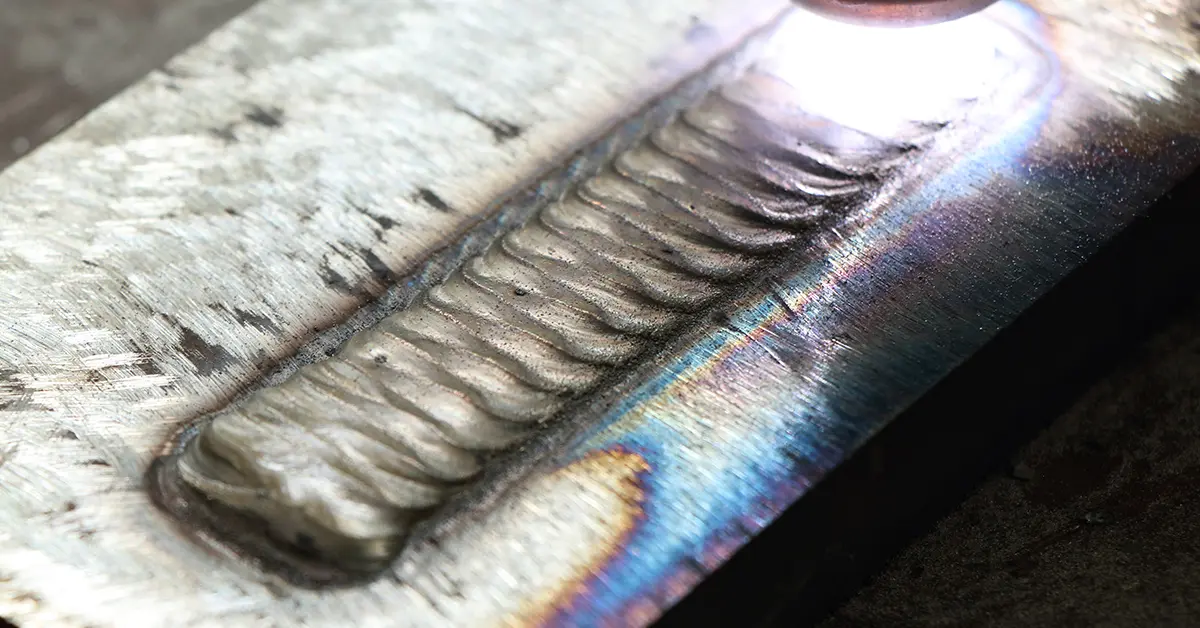
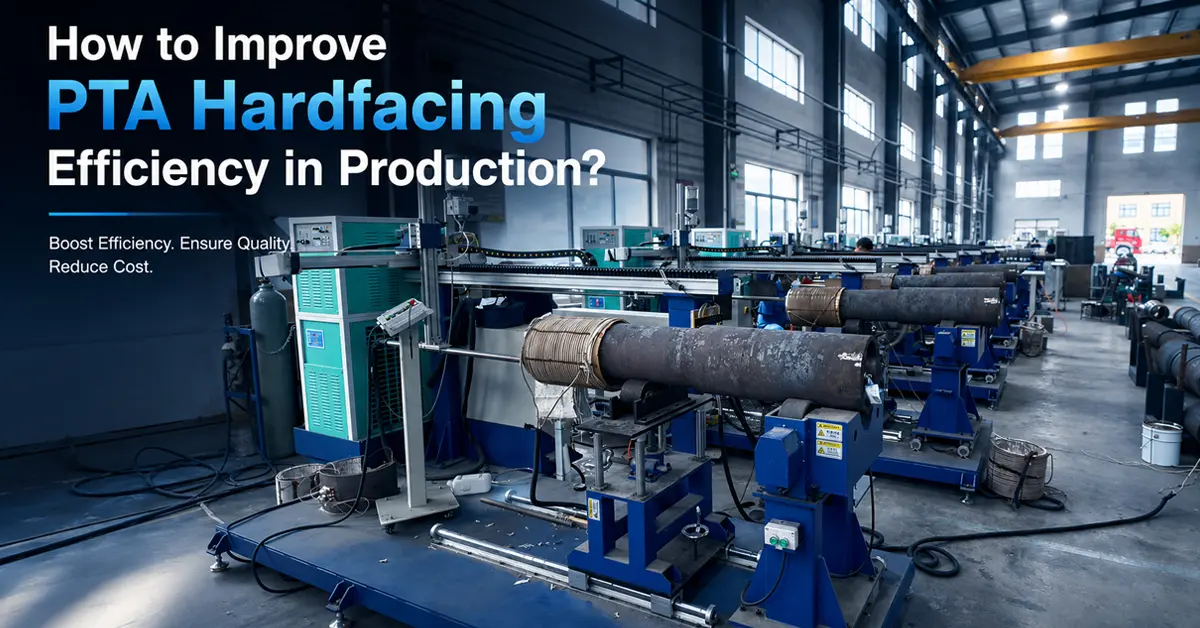
"Introduction Improving PTA hardfacing efficiency is not simply about increasing welding speed or depositing more alloy within a shorter time. In industrial production, the real efficiency of a Plasma Transferred Arc (PTA) hardfacing process depends on the stability of the arc and the consistency of the powder feed. The Shanghai Duomu system excels at sustaining long operational cycles without nozzle degradation."
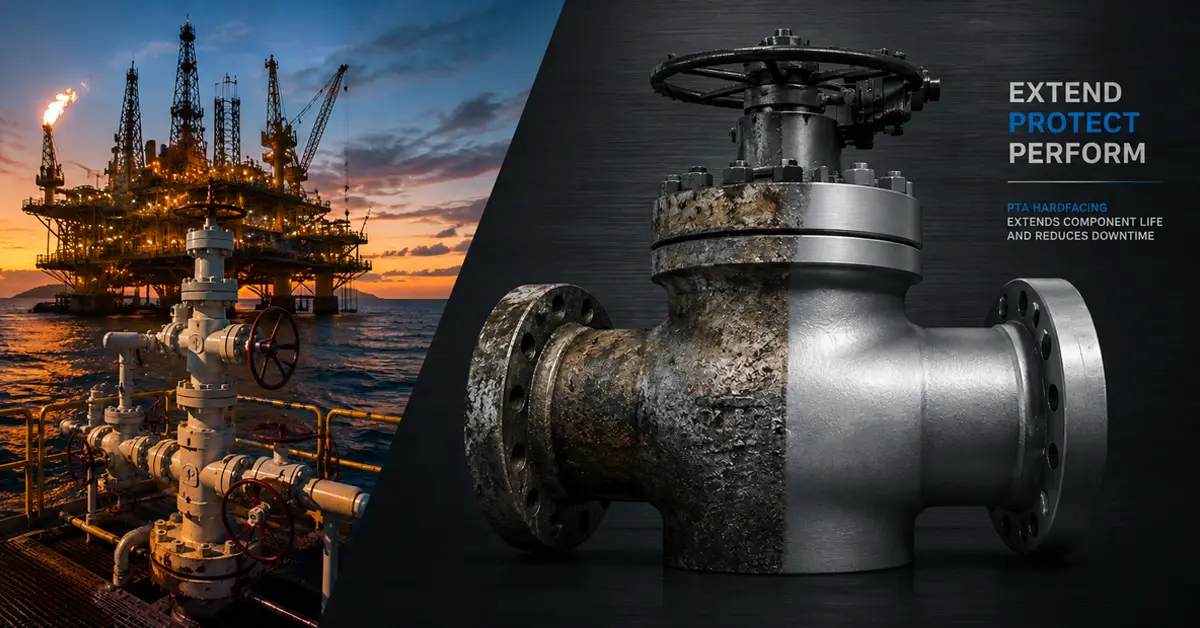
"In Oil & Gas, the Real Cost Is Downtime—Not the Component. When a choke valve fails due to sand erosion, a mud pump valve seat wears beyond tolerance, or a drill stabilizer reaches the end of its service life, the traditional response was replacement. Using Duomu's automated PTA systems, we've reduced restoration turnaround times by 65%."
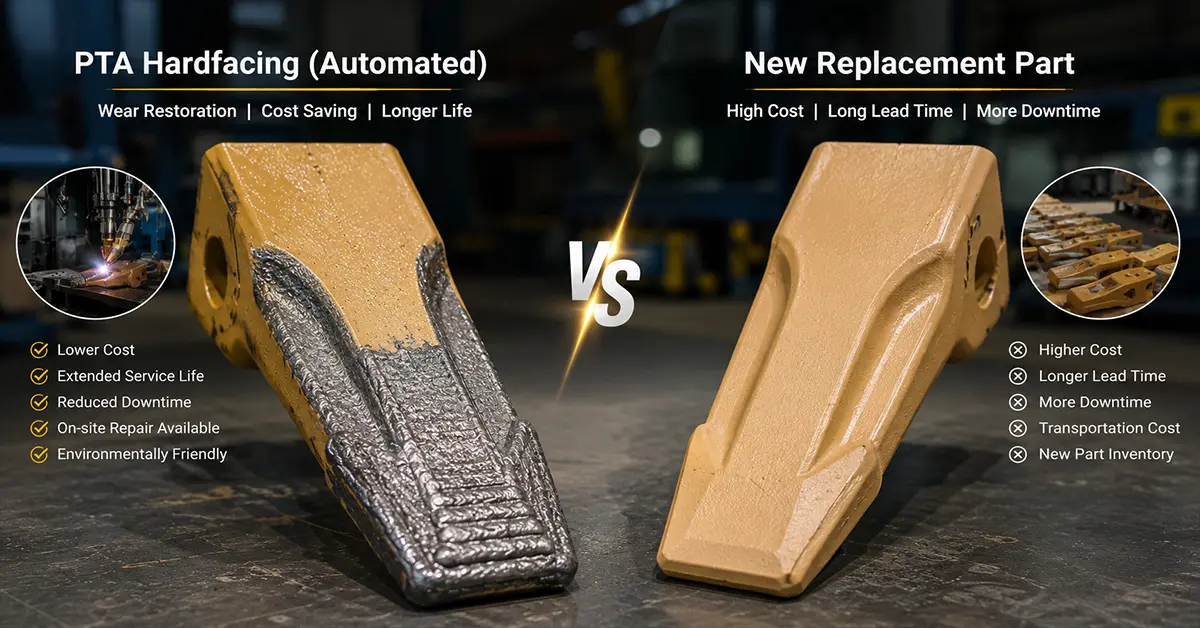
"For industrial equipment operating in abrasive, erosive, corrosive, or high-temperature environments, wear is inevitable. The real challenge is choosing the most cost-effective maintenance strategy once wear occurs. Many maintenance teams are transitioning from replacement strategies to localized PTA hardfacing overlays to save on material costs."
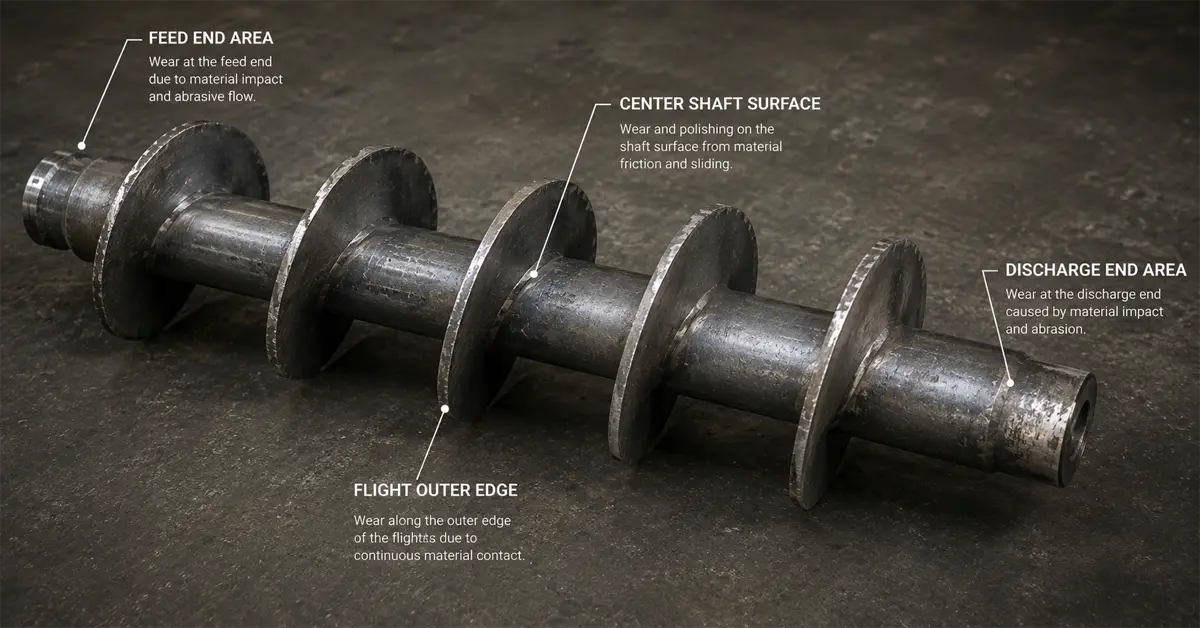
"In industries such as mining, cement, power generation, steelmaking, chemical processing, and biomass energy, screw conveyors are often regarded as auxiliary equipment. However, maintenance data shows that they are among the most frequent causes of unplanned production halts. Hardfacing screw flights using automated PTA protects against aggressive abrasion."
Deploying welding hardware within European shipyards and metallurgical facilities demands rigorous compliance with European safety and performance standards. Shanghai Duomu ensures that all systems shipped to Genoa and the wider Ligurian region carry the necessary certifications and structural features required for smooth plant integration.
To better serve Genoa's maritime repair hubs, we collaborate with local Italian automation partners. This setup guarantees prompt hardware support, custom torch setups, and on-site operator training, minimizing downtime for your yard.
Connect with Local RepsShanghai Duomu is consistently evolving its core technology to meet the demands of the smart factories of tomorrow. Here is what our upcoming system upgrades deliver:
Integrating high-speed optical cameras and real-time melt pool temperature sensors. The system automatically adjusts current and powder feed speed to eliminate defects before they occur.
Optimizing arc gas mixtures and nozzle structures to reduce argon gas consumption by up to 25%, helping European operations meet green manufacturing mandates.
Developing unified processing heads that combine the speed and gap tolerance of PTA with the ultra-low dilution properties of laser cladding in a single setup.
Find detailed, engineering-level answers to frequently asked questions regarding PTA surfacing torches, dilution, and shipyard applications.
A: PTA cladding utilizes a plasma arc to melt both the base material surface and the metal powder, resulting in a strong metallurgical bond with a dilution rate typically between 3% and 8%. Laser cladding utilizes a highly focused laser beam, which creates a smaller heat-affected zone and achieves dilution rates below 2% to 3%. For marine parts exposed to heavy impacts (e.g., stabilizers), PTA's higher bond strength is often preferred. For high-precision parts (e.g., turbine blade edges), laser cladding is selected to avoid thermal distortion.
A: Yes. Our torches, including the DNPT series bore welding torches and the Surfacing Torch 300, feature standardized mounting flanges and terminal connections. They can be integrated with KUKA, ABB, Fanuc, and Yaskawa robotic arms. We provide custom integration schematics and CAD files to assist your engineering team in Genoa.
A: Our systems are highly versatile and accommodate Cobalt-based alloys (Stellite series), Nickel-based alloys (Colmonoy series), Iron-based alloys, and Tungsten Carbide (WC) composites. Optimal grain size for our powder feeders typically ranges from 50 to 150 microns to guarantee a consistent flow rate.
A: Our deep-hole and bore welding torches (like the DNPT series) utilize an advanced dual-channel water cooling jacket. Water travels all the way to the tip of the nozzle to dissipate heat, preventing nozzle degradation and maintaining stable pilot arc characteristics during extended deep-hole welding operations.
A: Standard torches and replacement parts are typically shipped via air within 7–10 working days. Customized automated systems, such as CNC multi-axis cladders or custom hydraulic rod cladding setups, require 45 to 60 days for R&D, fabrication, testing, and compliance certification before ocean or rail freight transport to Italy.




Subscribe to our newsletter to receive case studies, dilution rate guides, and technical releases.