Panama, as the "Heart of the Americas," is undergoing a massive industrial transformation. Beyond its famous canal, the nation is pivoting towards advanced manufacturing and heavy-duty maintenance. The Panama Canal itself represents one of the world's most demanding environments for mechanical components. Ship engines, dredge cutters, and lock gate mechanisms are constantly subjected to extreme wear and corrosion.
This is where Plasma Transferred Arc (PTA) welding becomes a strategic asset. Our equipment serves Panamanian contractors by providing high-precision surfacing that extends the life of critical maritime assets by 300% to 500%. As Panama expands its logistics hubs in Colón and Balboa, the demand for local repair capabilities using Chinese high-resilience supply chains has never been higher.
Specialized cladding for marine engine valves and propeller shafts, ensuring minimal downtime for vessels transiting the Canal.
Supporting the construction of Metro lines and port expansions with hardfacing technology for excavators and tunneling shields.
Providing wear-resistant coatings for hydroelectric turbine blades and geothermal piping systems across the Panamanian provinces.
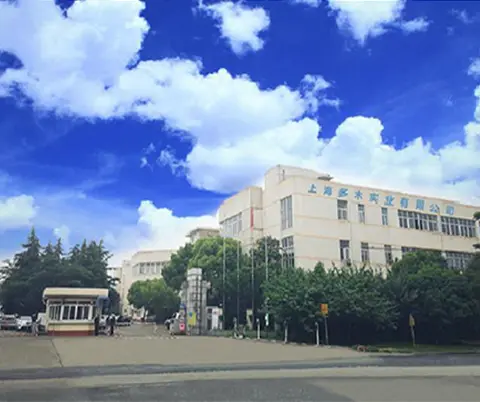
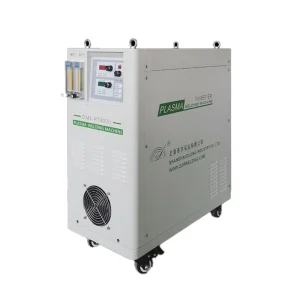
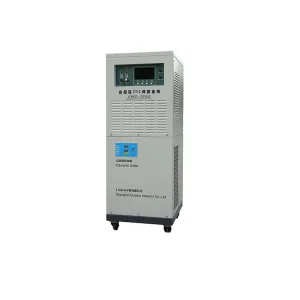
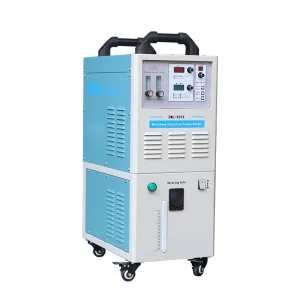
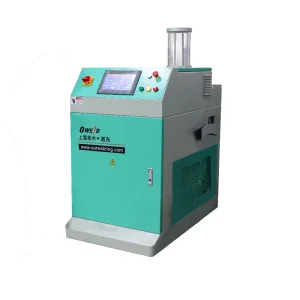
Shanghai Duomu has been a leading manufacturer and exporter of PTA cladding machines and Laser cladding machines for more than ten years with a strong technical background. Our independent R&D team develops, produces, and sells plasma cladding equipment that maintains efficient, long-term operation under the tropical conditions of Central America.
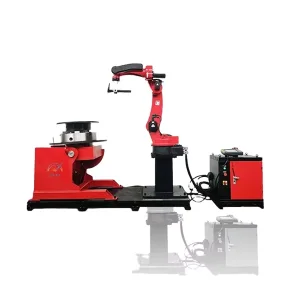
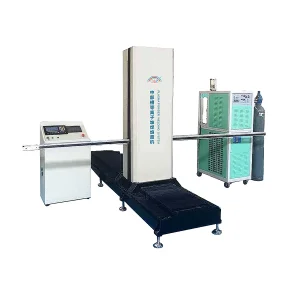
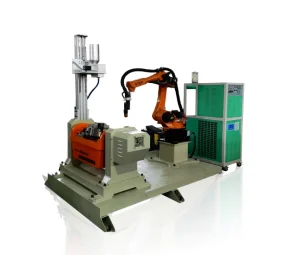
Our technical department specializes in large-scale remanufacturing projects. We offer complete sets of industrial equipment solutions, from 6-axis robotic integration to custom numerical control systems. For our clients in Panama, we ensure that every machine is optimized for the local power grid and humidity levels.
Connect with Our EngineersThe global welding market is shifting from manual arc welding to automated, data-driven additive manufacturing. Plasma Transferred Arc (PTA) is at the forefront of this shift because of its low dilution rate and high energy density. Compared to traditional TIG or MIG welding, PTA allows for the deposition of high-performance alloys (like Stellite or Tungsten Carbide) with metallurgical bonding that doesn't compromise the base metal's integrity.
Future Outlook: We are currently integrating AI-based monitoring systems into our "DML" series. These systems can predict weld quality in real-time, adjusting parameters dynamically to compensate for thermal variations. For Panama's industrial future, this means less reliance on scarce specialized labor and more on intelligent, automated systems that ensure consistent 24/7 production.
Years of Global Expertise
Successful Projects
Energy Efficiency Gain
Defect Manufacturing Goal
Our products have penetrated many fields such as aerospace, military, nuclear power, petrochemical, coal mines, metallurgy, agriculture, and water conservancy.



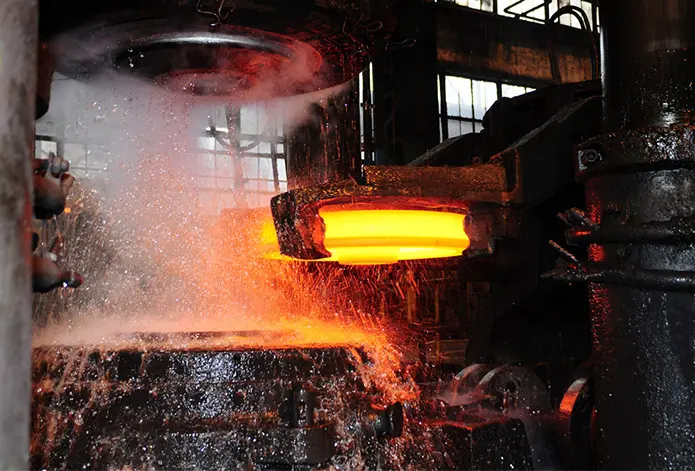
Why choose a Chinese manufacturer for Panamanian industrial projects? The answer lies in Supply Chain Resilience. Shanghai Duomu utilizes a vertically integrated production model. We don't just assemble; we design the core plasma torches and control software in-house. This reduces dependency on third-party components that can lead to long lead times.
For our clients in the Panama Free Zone, we provide a streamlined logistics route that ensures parts and equipment reach Central America faster than traditional European or North American competitors. Our efficiency translates to a 20-40% cost saving without sacrificing technical specifications or safety certifications.
PTA offers a much higher deposition rate and is more tolerant of surface contaminants, which is common in shipyard environments. While Laser Cladding offers a smaller Heat Affected Zone (HAZ), PTA is often more cost-effective for large components like ship engine valves.
We provide comprehensive remote technical support, augmented reality (AR) guided installation, and have a dedicated team for overseas commissioning. We also ensure all documentation is compliant with international and Panamanian safety standards.
Yes. Our numerical control systems are designed to handle a wide range of powder feeds, including cobalt-based, nickel-based, and iron-based powders, as well as complex composite powders like Tungsten Carbide (WC).
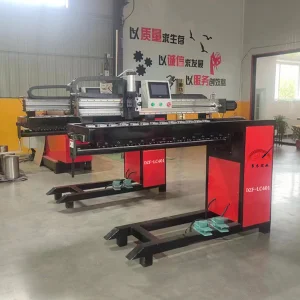
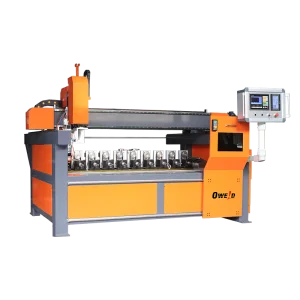
For complex geometries (like valves or impellers), we recommend the 6-axis robotic arm. For long, straight components (like hydraulic rods or shafts), a gantry or straight-seam platform is more efficient.