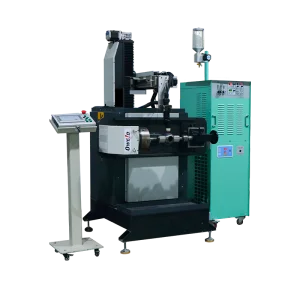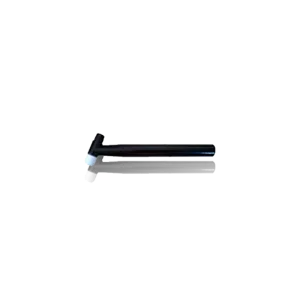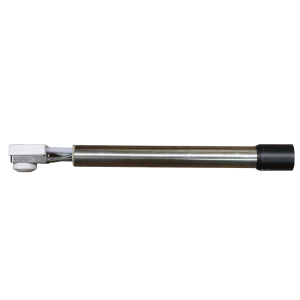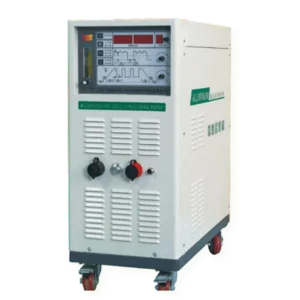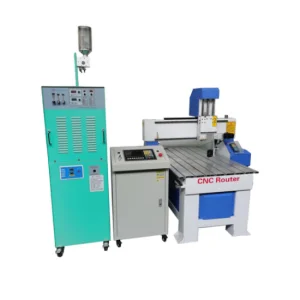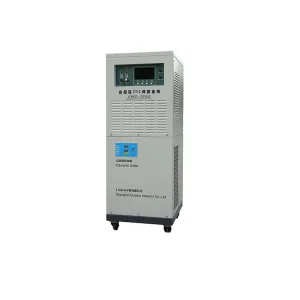
Engineered for maximum lifecycle extension, structural reliability, and minimal dilution rates.
An authoritative look at Plasma Transferred Arc (PTA) welding, dilution rates, and industrial surfacing metallurgy.
In the domain of advanced metallurgy, Plasma Transferred Arc (PTA) cladding stands out for its high density of heat concentration and unmatched deposit quality. One of the most vital metrics determining overlay longevity is the **dilution rate**. This refers to the percentage of base metal that melts and mixes into the deposited cladding alloy layer. High dilution compromises the chemical properties of the overlay, rendering expensive carbide or cobalt-based powders less effective.
By controlling arc current, powder feed rate, and travel speed dynamically via closed-loop control systems, our machines hold dilution below 5% in a single pass. This ensures the mechanical and chemical advantages of the overlay alloy (e.g., Stellites, Colmonoys, or Tungsten Carbides) remain pristine, providing localized hardness and corrosion resistance exactly where needed without structural compromise.
“Optimizing dilution is not simply about cooling the substrate; it is an exact thermodynamic balance between energy input and mass transfer.” — Shanghai Duomu R&D Division
The future of industrial surface modification relies on real-time sensory adaptation. Traditional systems depend on static operator profiles. Our upcoming product cycles introduce real-time optical emission spectroscopy and thermographic analysis to adjust the plasma torch path, gas mixture, and powder flow dynamically during the weld.
This closed-loop system mitigates defects like porosity and micro-cracking by adjusting parameters instant-by-instant in response to thermal build-up inside the substrate. Furthermore, we are establishing cloud-based monitoring architectures so that maintenance engineers can evaluate degradation and predict wear cycles on critical components from remote terminals.
Operating out of Shanghai's industrial manufacturing core, Shanghai Duomu leverages the localized supply network of high-grade copper alloys, specialized electronics, and robotics configurations. This integrated ecosystem allows us to achieve fabrication turnaround times that are 30% faster than our Western peers.
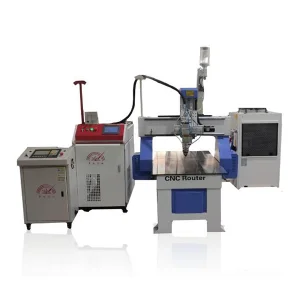
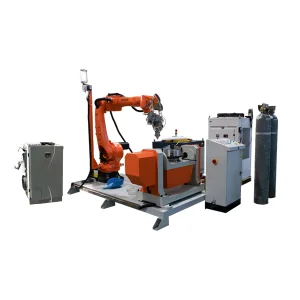
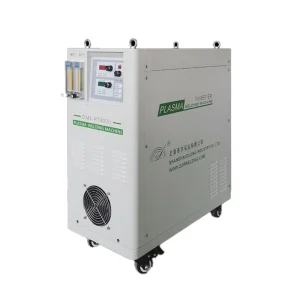
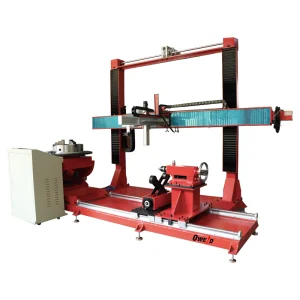
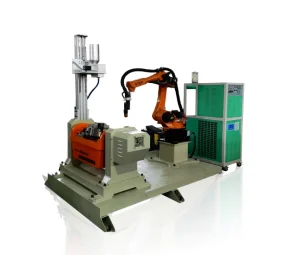
Our factories comply with rigorous lean-manufacturing controls, ensuring that every CNC plasma arc welding machine, bore torch, and gantry setup is subject to simulated stress testing prior to overseas shipment. For global procurement teams, this reduces lead times without sacrificing precision or structural durability.
Deploying heavy industrial machinery globally demands adherence to complex safety and regulatory standards. All Shanghai Duomu systems conform to **CE certification** parameters. We incorporate dual-redundancy safety circuits, integrated gas flow fail-safes, and standardized electrical components compliant with European and North American grid requirements (400V/480V 3-phase setups).
Through our network of regional partners and localized technical assistance, we offer design consultancies, parameter development protocols, and emergency part supply lines to ensure minimum interruption to production workflows.
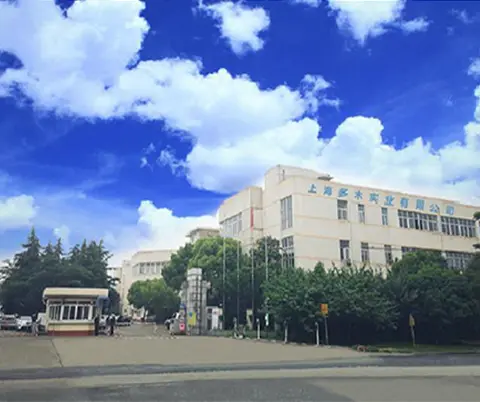
Shanghai Duomu has been a leading manufacturer and exporter of PTA cladding machine and Laser cladding machine for more than ten years with a strong technical background.
We have built an independent R&D team that develops, produces, and sells high-performance plasma cladding machine equipment. Our welding machines exhibit stable performance and maintain efficient, long-term operation under heavy industrial cycles. We support large-scale remanufacturing projects with mature technological means to provide complete sets of industrial equipment solutions.
Providing specialized wear and heat resistance cladding configurations across essential global sectors.



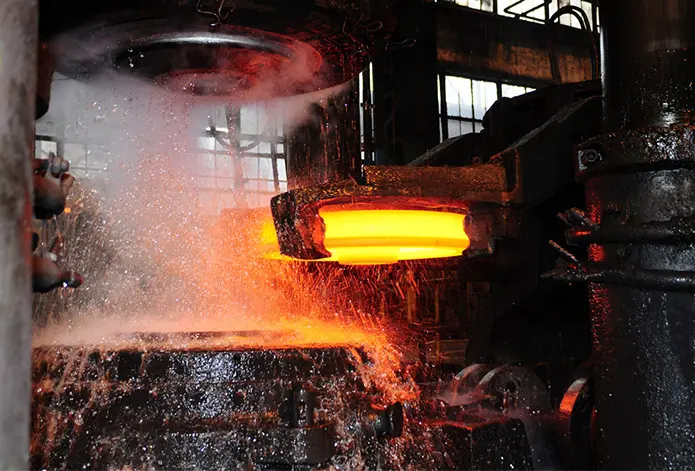
Insights into dilution optimization, system efficiency, and maintenance economics.
"In Plasma Transferred Arc (PTA) hardfacing, achieving a high-quality overlay is not only about selecting the right alloy powder or optimizing welding parameters. One of the most critical factors that directly affects overlay performance is the dilution rate..."
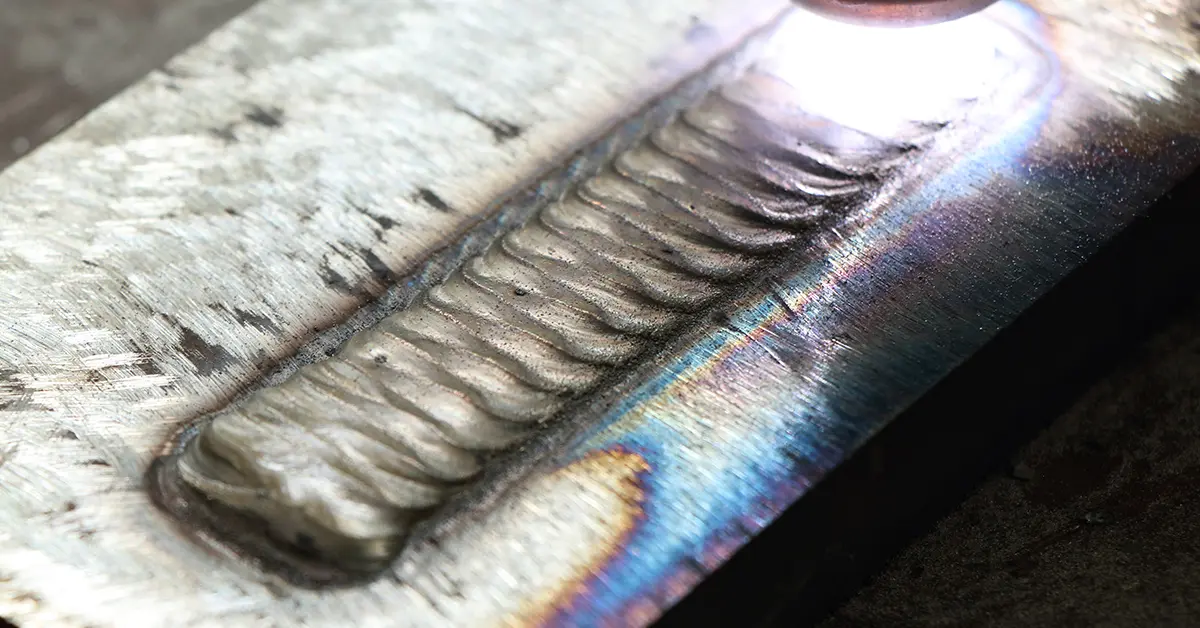 PTA Hardfacing Optimization Guide
"Improving PTA hardfacing efficiency is not simply about increasing welding speed or depositing more alloy within a shorter time. In industrial production, the real efficiency of a Plasma Transferred Arc (PTA) hardfacing process depends on consistency and stability..."
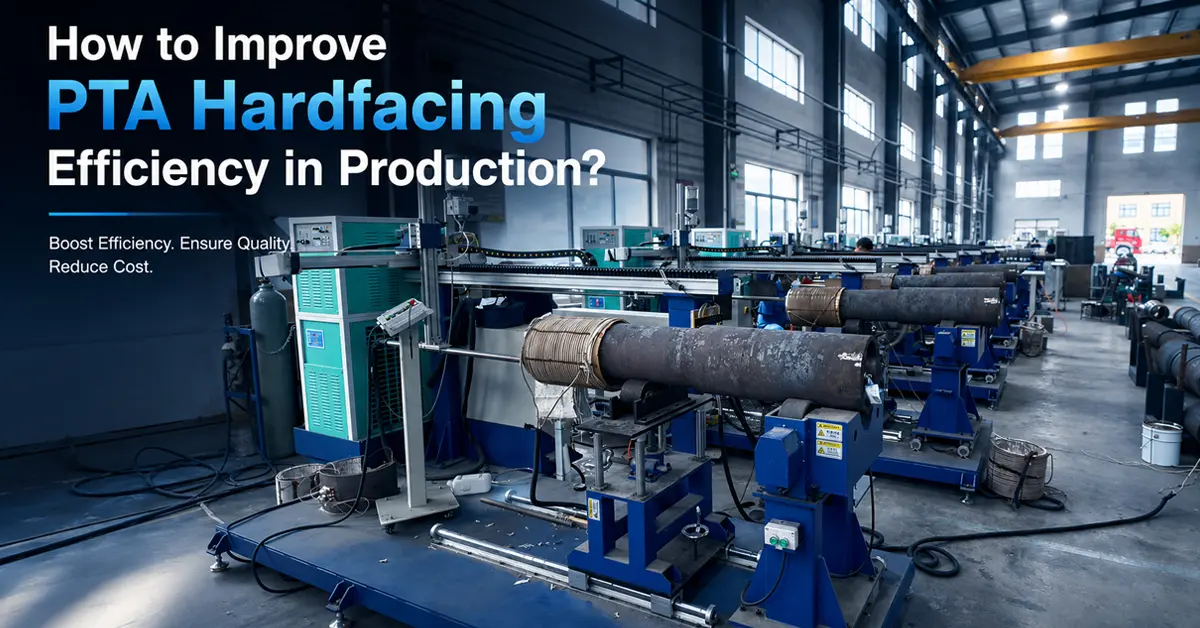 PTA Efficiency Report
"In Oil & Gas, the Real Cost Is Downtime—Not the Component. When a choke valve fails due to sand erosion or a drill stabilizer reaches the end of its service life, the traditional response of replacing the part incurs massive economic loss..."
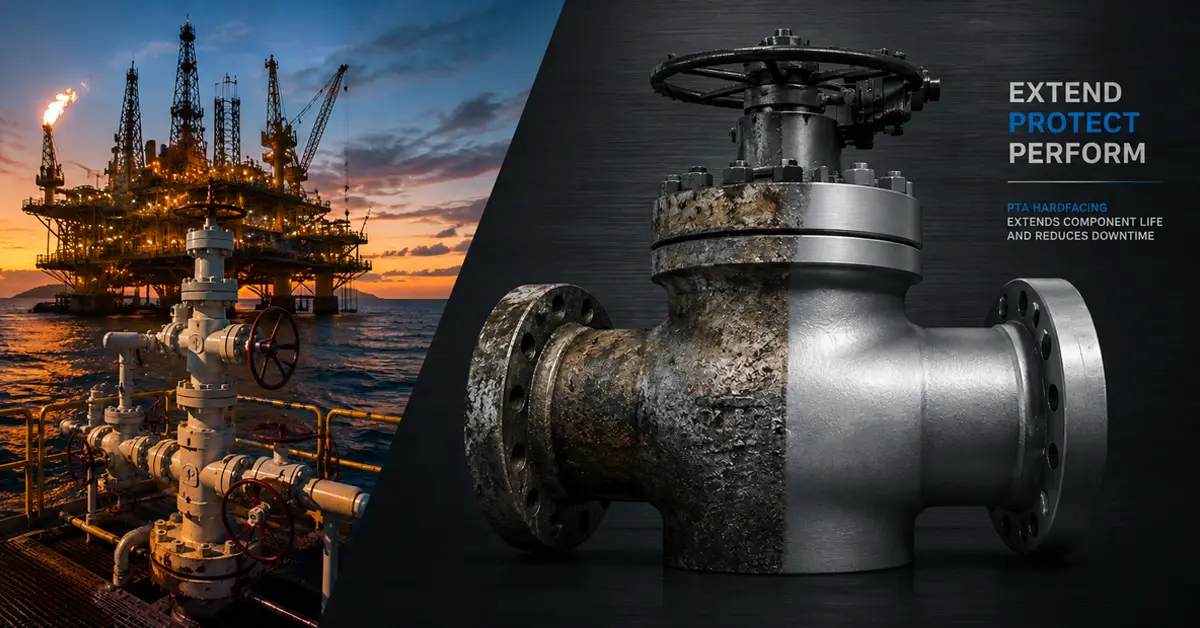 Oil & Gas Downtime Study
"For industrial equipment operating in abrasive, erosive, corrosive, or high-temperature environments, wear is inevitable. Choosing the most cost-effective maintenance strategy once wear occurs is crucial for standard operations..."
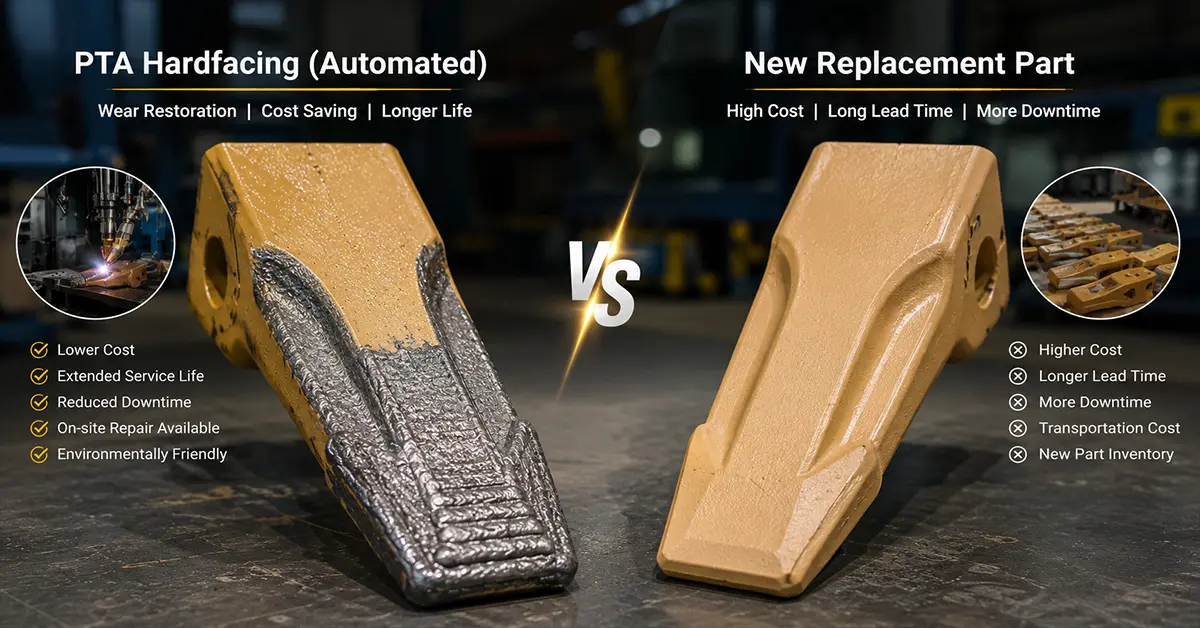 Wear Strategy Review
"In mining, cement, and power generation, screw conveyors are often regarded as auxiliary equipment. However, maintenance data shows they are among the most frequent causes of unplanned production halts if left untreated..."
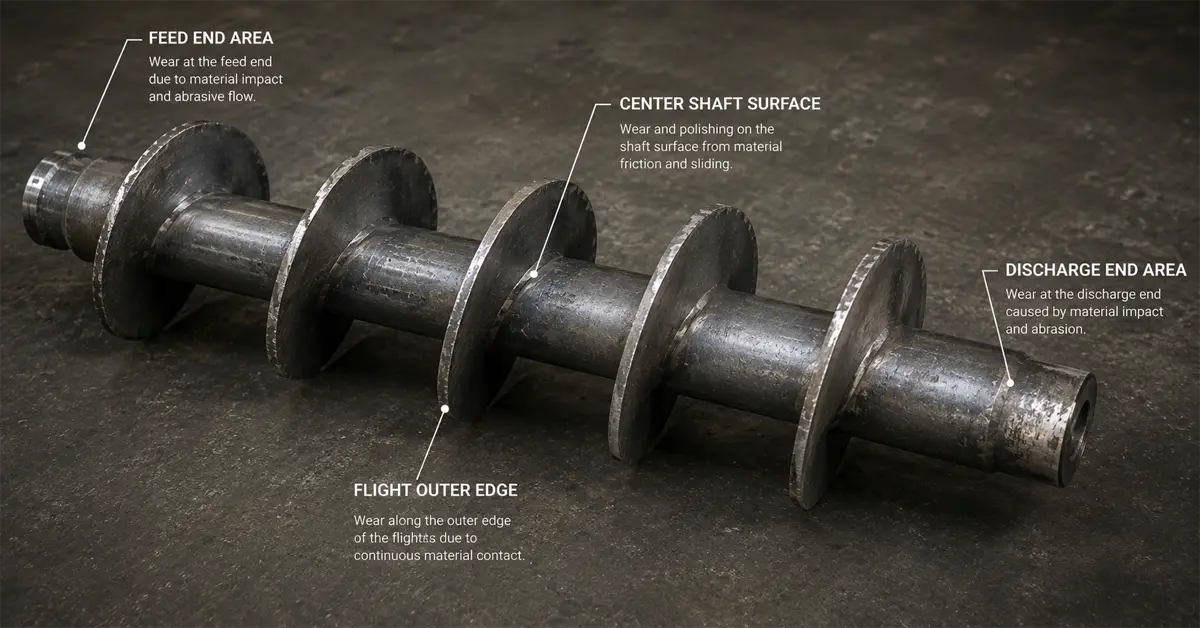 Screw Conveyor Hardfacing
"Developing complex internal cladding solutions requires highly specialized tools. Using our Plasma Bore Welding torches like the DNPT series allows uniform metallurgical coating inside deep, narrow cavities that were previously unreachable."
Internal Bore Weld Solutions
Clear, engineering-focused answers to common implementation and procurement questions.
Explore our complete technical range of welding systems, robotic positioners, and replacement torches.
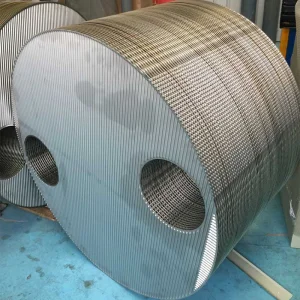
Our technology is integrated with leading manufacturing ecosystems worldwide.




Consult with our engineering department to identify the correct welding configuration, parameters, and alloy powder setups for your project. We respond within 24 hours.
Fill out the form below and an applications specialist will contact you to discuss your technical parameters.