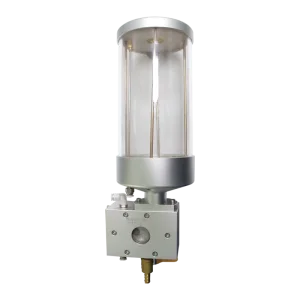
The global demand for PTA (Plasma Transferred Arc) cladding has shifted from simple surface repair to proactive surface engineering. As industrial components face harsher environments in deep-sea oil extraction and ultra-high-temperature aerospace applications, the need for customized metallurgical bonding is paramount. Market reports suggest a CAGR of 6.5% for automated cladding systems as industries strive for "Zero-Downtime" targets.
Modern procurement strategies now prioritize sustainability. PTA cladding allows for the "re-birthing" of high-value parts like hydraulic rods and valve seats. By applying a wear-resistant alloy layer via plasma powder surfacing, companies reduce their carbon footprint by 60-80% compared to manufacturing new components, aligning with global ESG (Environmental, Social, and Governance) goals.
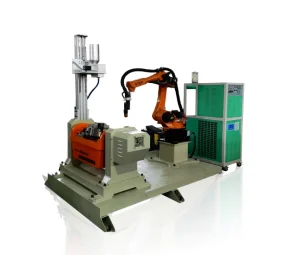
Integrations of AI-driven path planning and real-time melt pool monitoring have revolutionized the PTA cladding factory. Intelligent robot cladding equipment now allows for complex geometries (like screw conveyors or turbine blades) to be processed with sub-millimeter precision, significantly reducing the dilution rate and post-processing costs.
In the current global commercial landscape, a custom PTA cladding manufacturer must offer more than just machinery; they must provide a robust supply chain ecosystem. Shanghai Duomu’s facility in Jiading District embodies the "Industry 4.0" ethos, combining high-speed production with bespoke engineering.
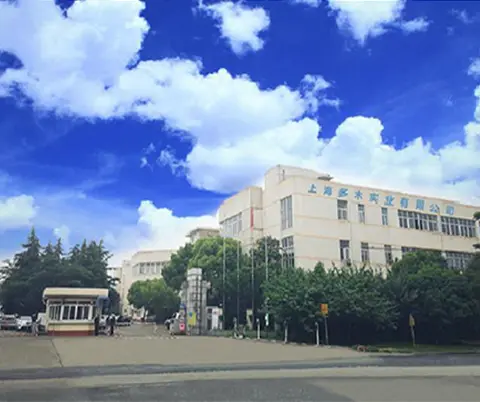
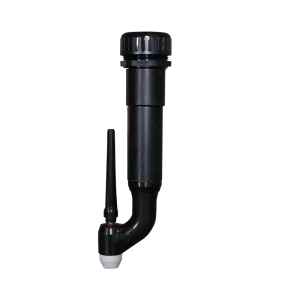
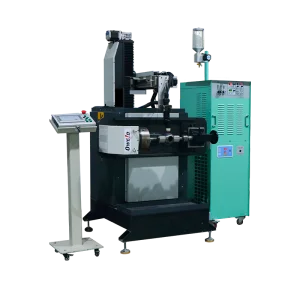
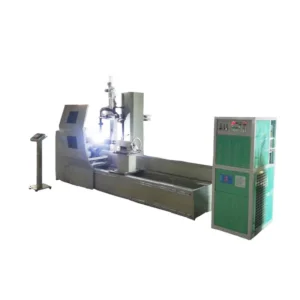
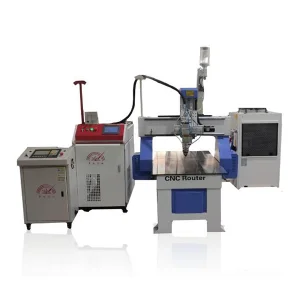
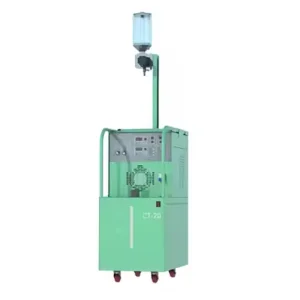
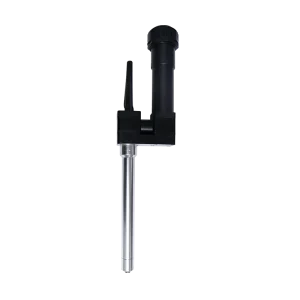
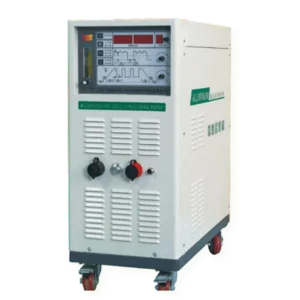
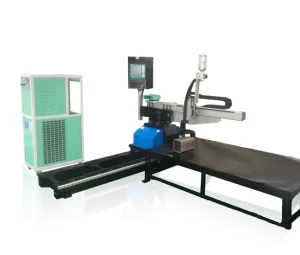
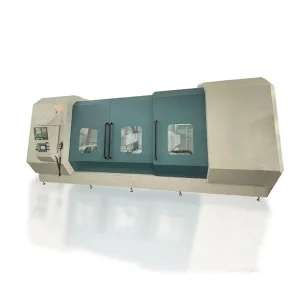
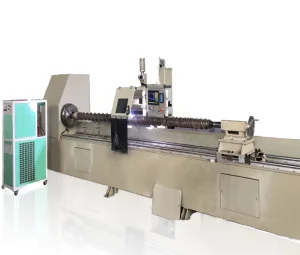
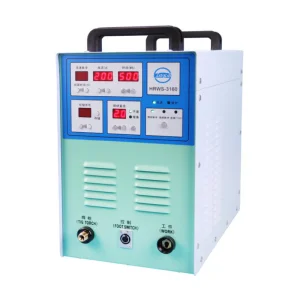
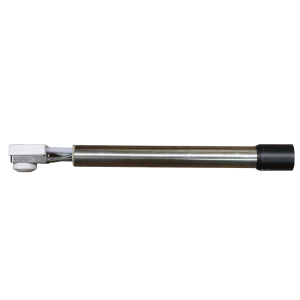
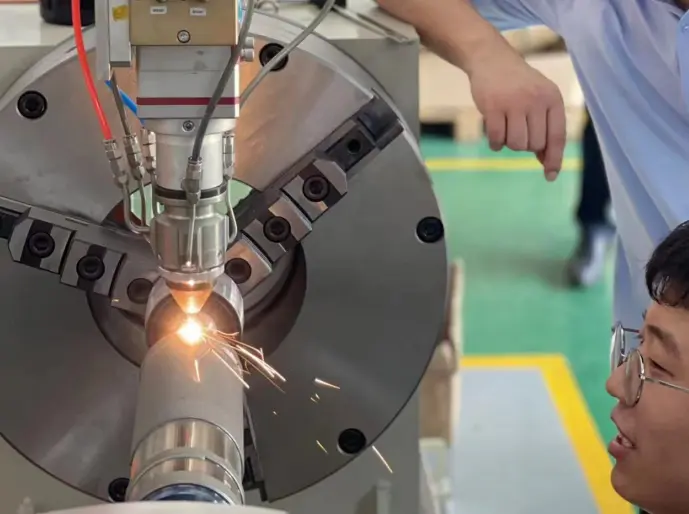
Our independent R&D team develops, produces, and sells plasma cladding machine equipment. The welding machine has stable performance and can maintain efficient long-term operation. In addition, the laser cladding equipment sold by the company can effectively support large-scale remanufacturing projects.
We have mature technological means to provide complete sets of industrial equipment solutions, ensuring that every PTAW (Plasma Transferred Arc Welding) system we ship is optimized for the specific alloy powders used by the client.
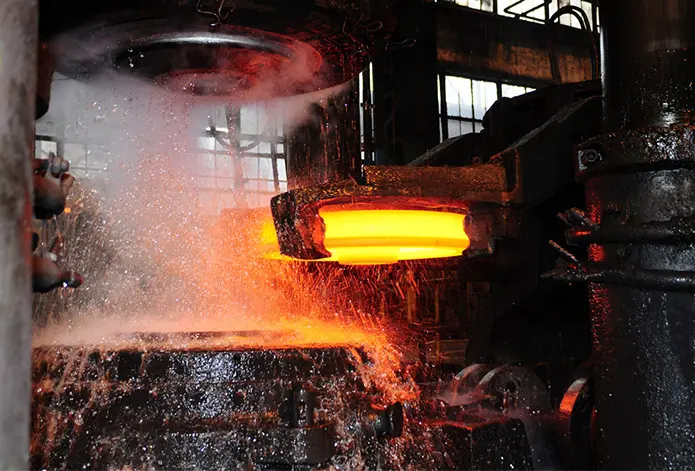
At present, Shanghai Duomu's products have penetrated into many fields such as aerospace military industry, nuclear power, petrochemical industry, coal mines, metallurgy and forging, agriculture, water conservancy and electric power.



We provide customized equipment, including automatic laser cladding equipment, automatic plasma cladding equipment, and intelligent robot systems. Our specialization extends to industry-specific solutions such as:
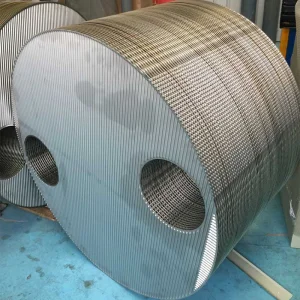
Corrosion-resistant overlays for marine and mining cylinders.
Precision PTA overlays for high-pressure ball and gate valves.
Hard-facing of flights to resist abrasive material transport.
In Plasma Transferred Arc (PTA) hardfacing, achieving a high-quality overlay is not only about selecting the right alloy powder. One of the most critical factors is the dilution rate.
Our equipment is engineered to minimize base metal melting, ensuring the overlay maintains its design hardness and metallurgical integrity without being "contaminated" by the substrate material.
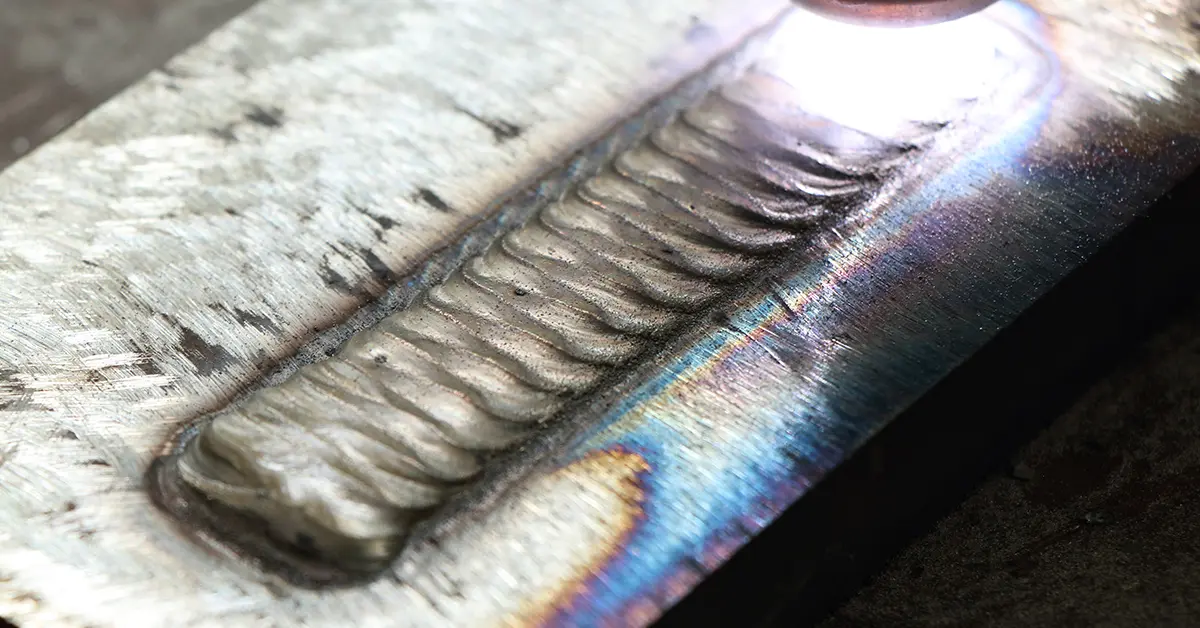
Achieving high-quality overlays requires precise control over welding parameters to ensure the purity of the deposited alloy...
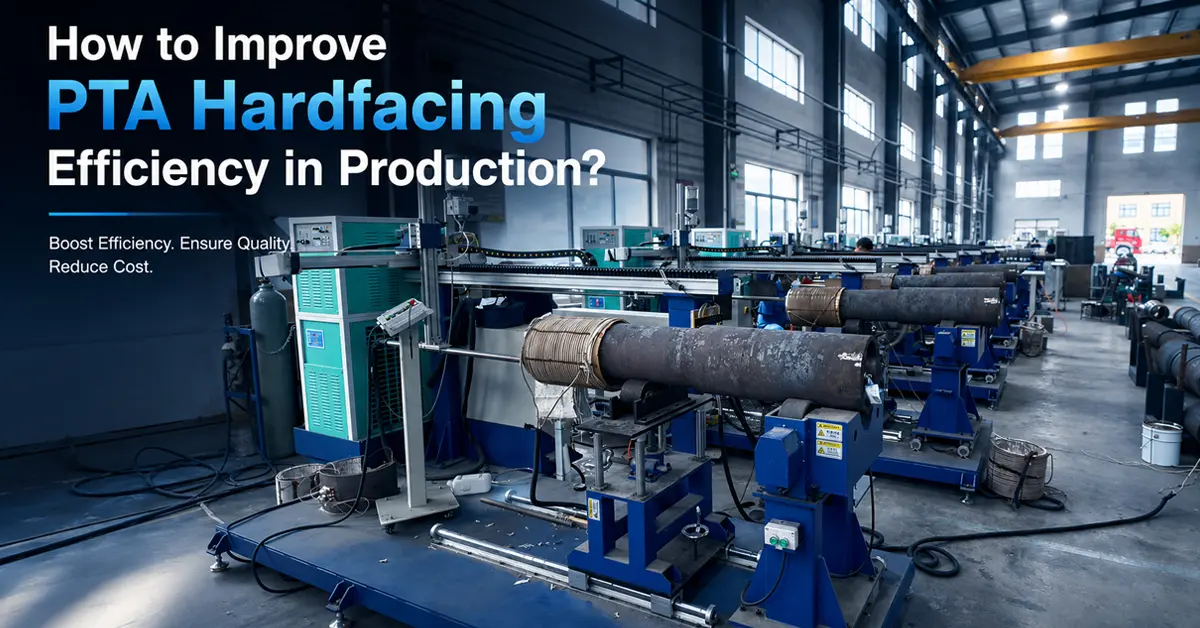
Efficiency in industrial production isn't just about speed; it's about the reliability of the deposit and reduction of waste...
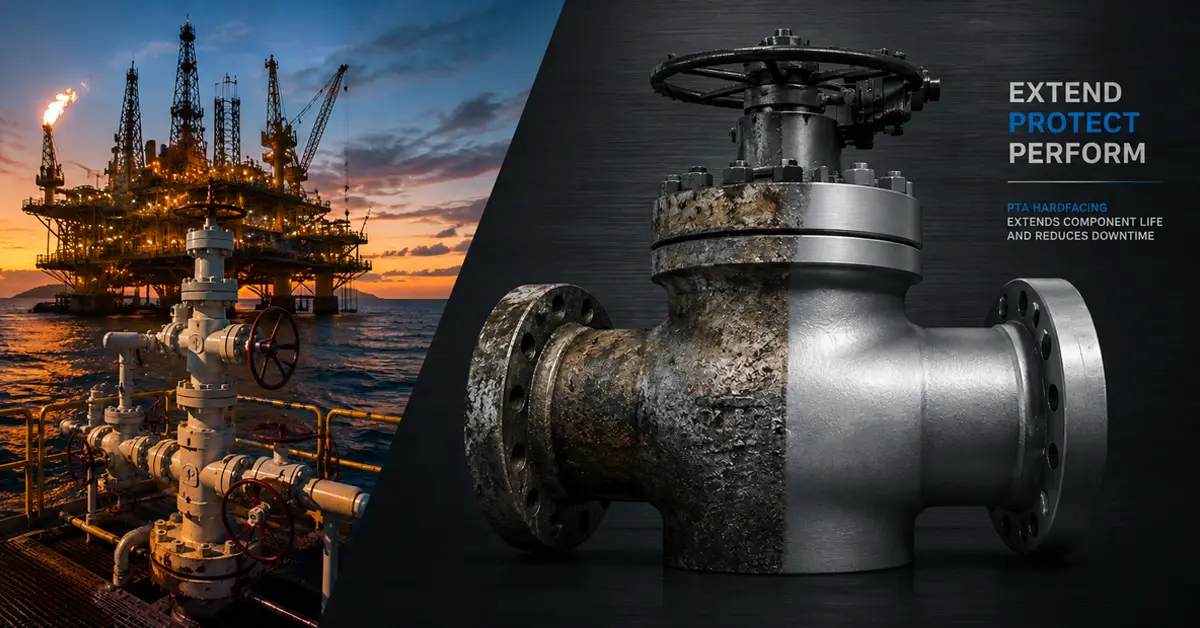
When components fail, the loss isn't just the part—it's the halt in production. Discover how cladding prevents these losses...
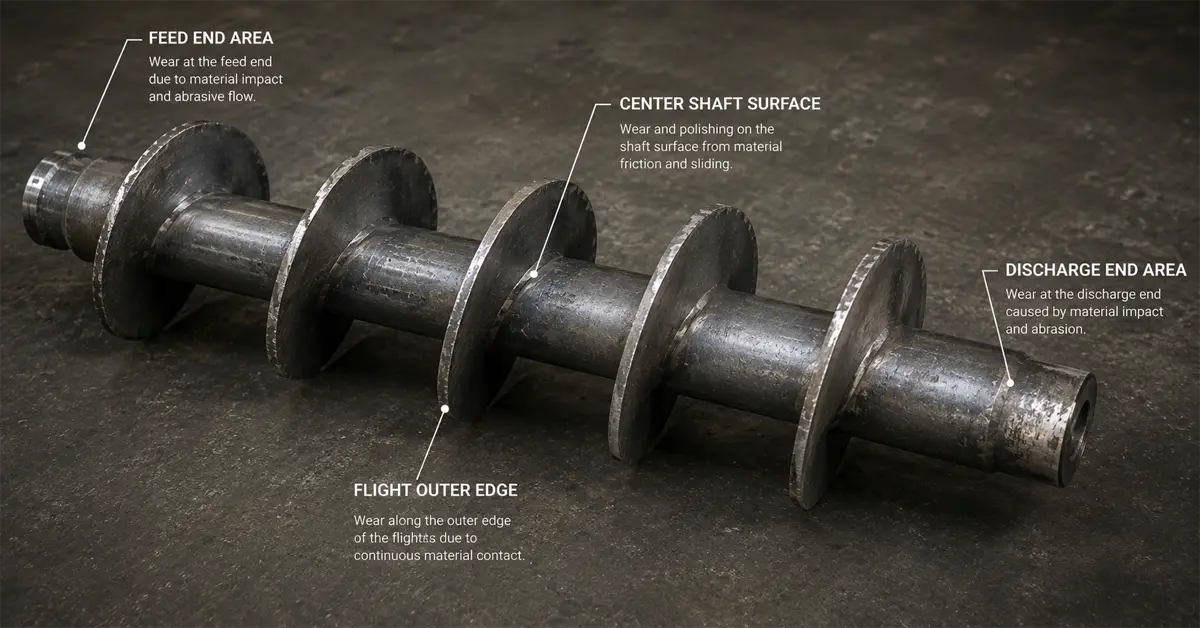
Frequent unplanned production stops often stem from auxiliary equipment wear. PTA cladding provides a long-term fix...
PTA Cladding uses a plasma arc to melt powder and substrate, offering high deposition rates and excellent metallurgical bonding, ideal for thick layers. Laser Cladding uses a high-power laser, resulting in a smaller heat-affected zone and lower dilution, best for precision work and thin coatings.
Yes. As a custom PTA cladding manufacturer, we optimize our powder feeders and torch designs to handle various alloys including Stellite, Tungsten Carbide, and Nickel-based powders based on your hardness requirements.
Standard machines typically ship within 4-6 weeks, while fully integrated robotic cells may take 10-14 weeks depending on the complexity of the automation and the specific application needs.
By applying a specialized alloy that is specifically chosen to resist the primary wear mechanism (erosion, abrasion, or corrosion) of the environment, components can last 3-10 times longer than untreated parts.
Have a specific wear problem? Let our engineers design a custom PTA solution for your factory.
📍 Address: Unit 2, No.615 Feng Deng Road, Jiading District, Shanghai, China
📞 Phone: + 86 15021996700
📧 Email: [email protected]
💬 WhatsApp: +8615021996700
Submit your project requirements and our team will get back to you within 24 hours with a comprehensive technical proposal and price list.
Email Us Now