1. Ethiopia's Industrialization Journey & The Silent Tax of Component Wear
Ethiopia is currently undergoing one of the most rapid macroeconomic transformations in East Africa. Guided by the national Growth and Transformation Plans (GTP) and the expansion of key manufacturing corridors such as the Hawassa Industrial Park, Bole Lemi, Adama, and the Eastern Industrial Zone, the country is transitioning from an agrarian economy toward a regional manufacturing and industrial powerhouse. This industrial push, however, brings major mechanical challenges.
In sectors such as cement manufacturing, mining, metal casting, sugarcane crushing, and geothermal energy production, machinery parts operate under extreme environments of abrasive wear, high heat, and corrosive chemical action. Equipment like vertical roller mill tyres, screw conveyors, geothermal drilling valves, and agricultural tillage parts frequently wear out. Historically, Ethiopian factories have relied heavily on importing expensive replacement parts from Europe or Asia. This reliance results in prolonged production shutdowns, complex customs delays at the Djibouti port, and a continuous drain on the country's precious foreign exchange reserves.
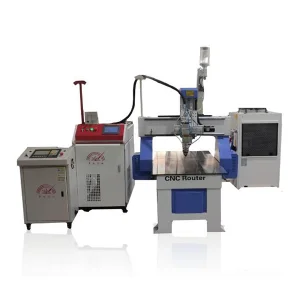
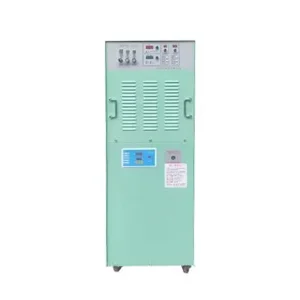
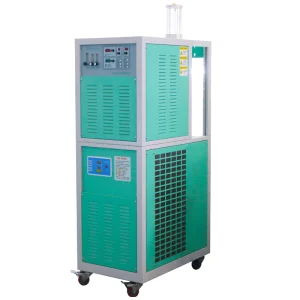
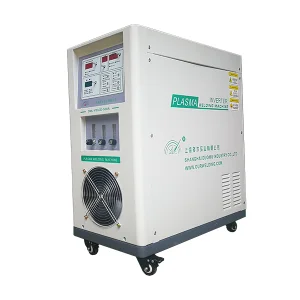
This is where modern surface engineering—specifically Plasma Transferred Arc (PTA) cladding and Laser cladding—provides a critical solution. By utilizing a high-precision plasma power supply, local maintenance hubs can rebuild worn surfaces using specialized metal powders (such as cobalt, nickel, and tungsten carbide alloys). This remanufacturing approach extends the service life of critical industrial assets by up to 300%, cutting import costs and minimizing unscheduled downtime.
2. The Physics of PTA Cladding & Power Supply Technology
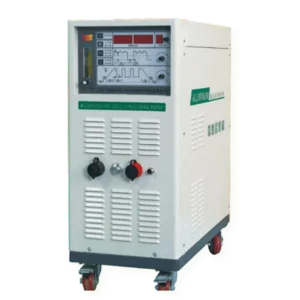
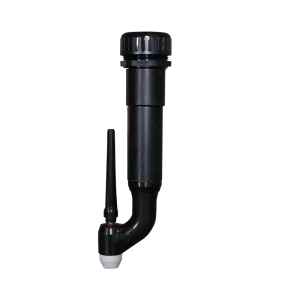
At the core of the Plasma Transferred Arc (PTA) process is the plasma power supply. Unlike conventional gas metal arc welding (GMAW) or manual metal arc welding (MMAW), PTA relies on two independent, highly controlled electrical circuits: the pilot arc and the main (transferred) arc.
- The Pilot Arc (Non-Transferred Arc): Initiated between the internal tungsten electrode (negative pole) and the copper nozzle (positive pole) by a high-frequency (HF) starting unit. The pilot arc ionizes the primary argon gas flowing through the torch, generating a highly conductive column of plasma gas.
- The Main Arc (Transferred Arc): Established between the tungsten electrode and the actual workpiece. This arc is the primary energy source that melts both the substrate material and the hardfacing powder injected into the plasma flame.
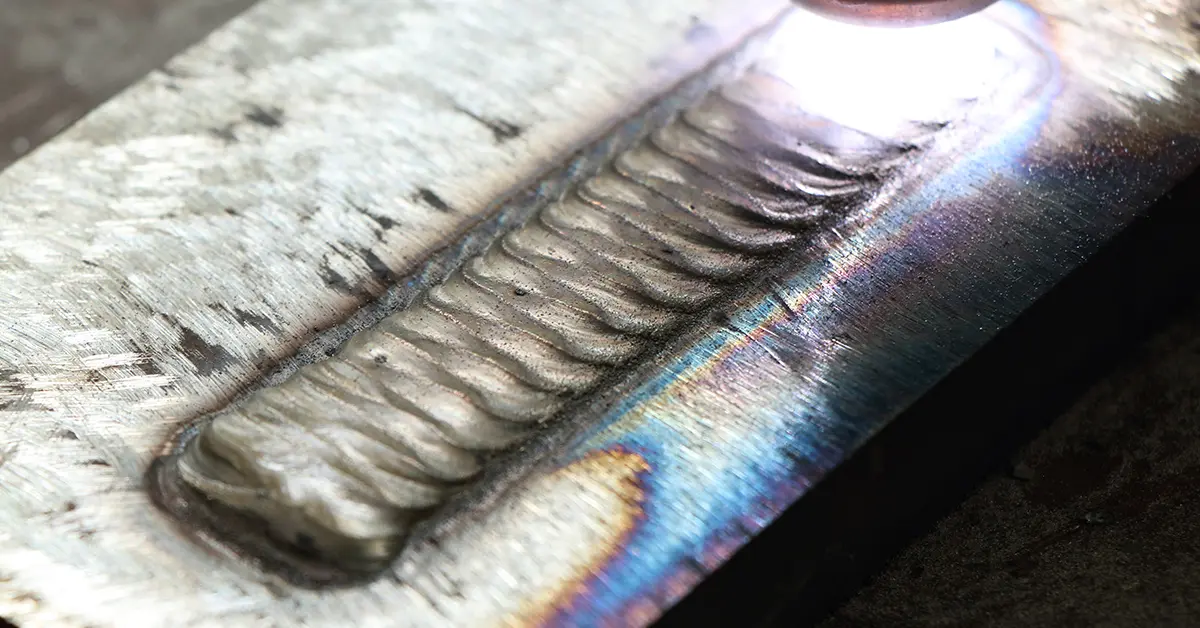
Because of the high current density of the constricted plasma arc, temperatures within the plasma column can reach 15,000°C to 20,000°C. This density allows for rapid, localized melting of the target surface. The powder feed rate, gas flow rate, current intensity, and traverse speed are all precisely coordinated through the power supply's integrated PLC. This level of control ensures the metal powder fuses completely with the base metal while minimizing heat penetration, keeping thermal distortion to a minimum.
| Technical Parameters | PTA Cladding Technology | Laser Cladding Technology | Conventional Arc Welding (TIG/MIG) |
|---|---|---|---|
| Heat Input | Moderate & Focused | Very Low & Precise | High & Dispersed |
| Dilution Rate | 3% to 8% | 1% to 3% | 15% to 30% |
| Deposition Rate | High (2.0 – 8.0 kg/h) | Moderate (1.0 – 4.0 kg/h) | Moderate (1.5 – 5.0 kg/h) |
| Bond Integrity | Metallurgical (High strength) | Metallurgical (Extremely high) | Metallurgical (Variable quality) |
| Equipment Investment | Cost-Effective (Ideal for developing markets) | High (Capital intensive) | Low |
3. Local Application Scenarios in Ethiopia's Dynamic Sectors
The application of Shanghai Duomu’s plasma cladding machines across Ethiopia spans several primary industrial clusters:
A. Sugarcane and Agricultural Processing Machinery
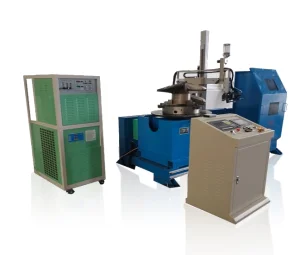
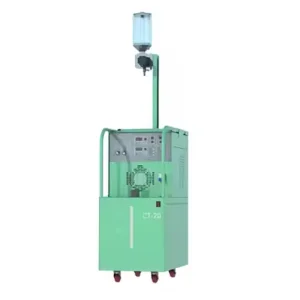
Ethiopia's state-owned and private sugar estates (such as Wonji Shoa, Metahara, and Finchaa Sugar Factories) process massive quantities of sugarcane daily. The harvesting and crushing operations expose cutter blades, shredder hammers, and mill rollers to continuous, highly abrasive organic friction combined with acidic corrosive juice. By applying a protective layer of chromium carbide or nickel-based tungsten carbide powder using our DML-V03CD Plasma Powder Surfacing Machine, sugar factories can extend hammer operational cycles from a few weeks to an entire crushing season.
B. Cement Mill Roller & Table Reclamation
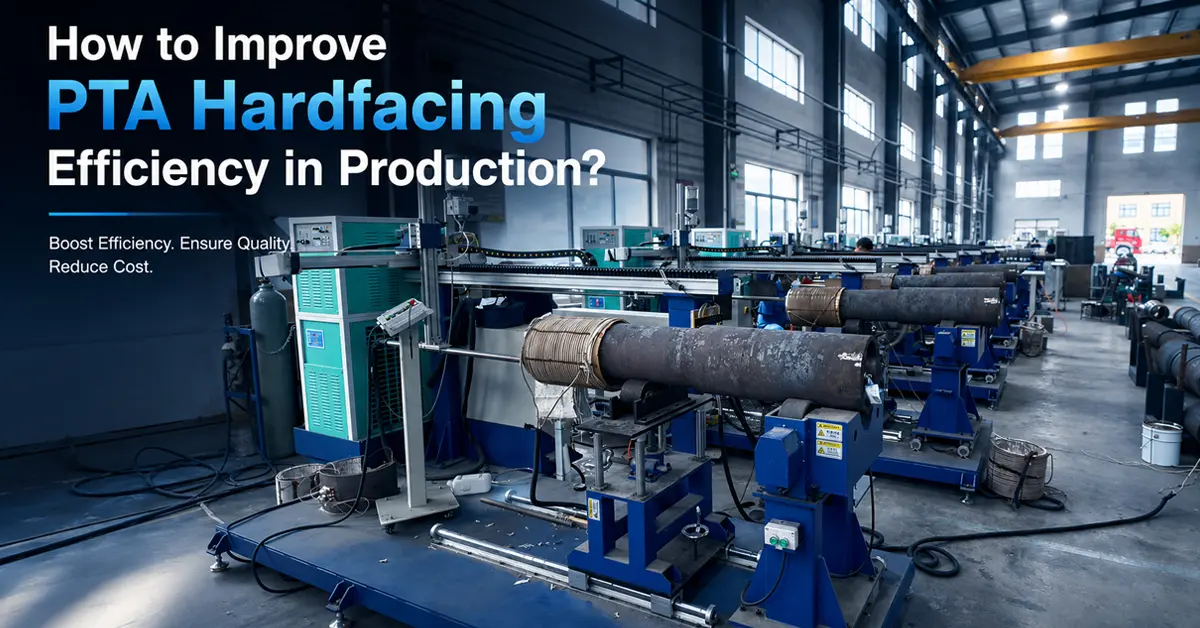
Cement producers in Ethiopia (such as Dangote Cement, Derba MIDROC, and Muger Cement) face high maintenance costs due to abrasive raw meal grinding. The large vertical roller mill (VRM) tyres and table liners wear down rapidly under high pressure. Deploying automated plasma surfacing systems directly on-site allows local maintenance crews to rebuild these large components, saving the massive costs and logistical headaches of importing heavy steel castings.
C. Mining, Quarrying & Infrastructure Projects
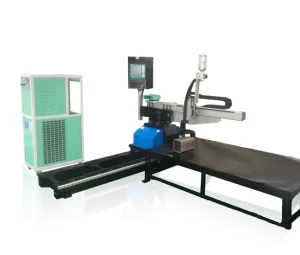
From the quarrying of construction aggregates around Addis Ababa to gold mining in Adola, earthmoving equipment and drilling tools wear down quickly in abrasive rock formations. Hardfacing excavator teeth, bucket lips, and rock-boring drill collars with high-alloy powders using our DXB-NC301 Cantilever Plasma Surfacing System dramatically extends tool life, reduces structural failures, and improves excavation efficiency.
D. Power Generation and Geothermal Infrastructure
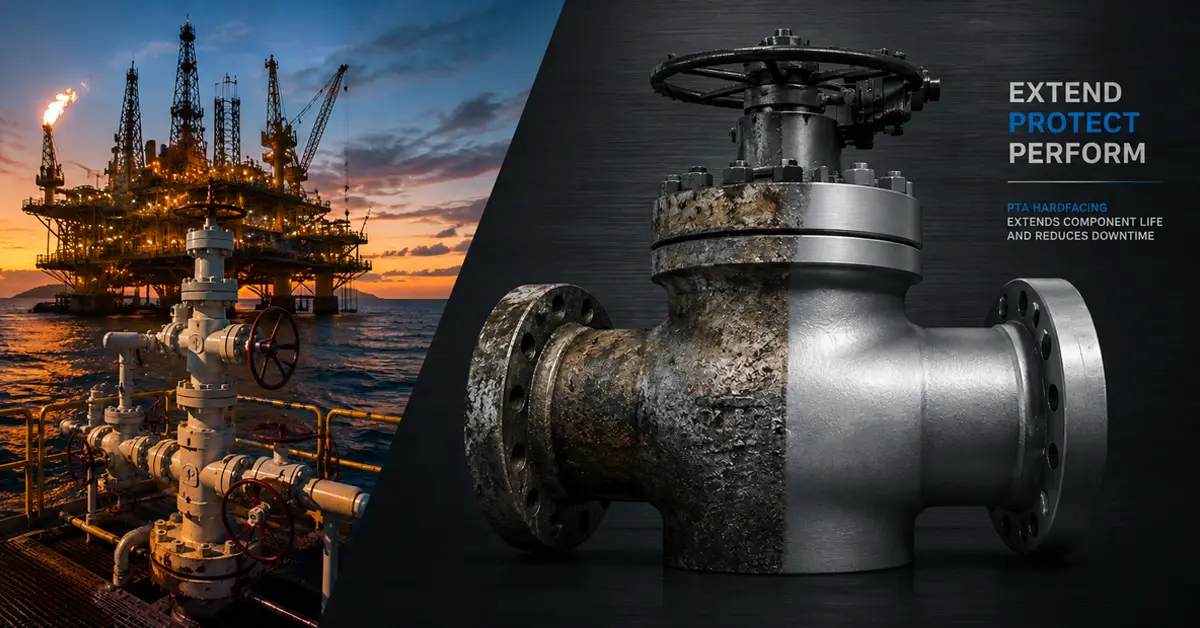
With Ethiopia expanding geothermal projects in regions like Aluto-Langano, high-pressure steam valves and drilling valves must withstand erosion, corrosion, and high temperatures. PTA hardfacing with cobalt-base alloys (Stellite equivalents) provides the necessary heat and corrosion resistance, ensuring valves seal reliably over long operating periods.
Need a Heavy-Duty Surface Reclamation Solution in Ethiopia?
Contact our engineering team today for technical details, product catalog, and competitive pricing for local deployments.
Send Inquiry Now4. Technical Department Insights: Managing the Dilution Rate
In Plasma Transferred Arc (PTA) hardfacing, the **dilution rate** is one of the most critical factors determining the performance of the protective overlay. Dilution occurs when the base metal melts and mixes with the deposited alloy powder.
If the dilution rate is too high (e.g., above 15%), the properties of the expensive cladding alloy (such as nickel, cobalt, or tungsten carbide) are degraded by the iron content from the carbon steel base metal. For example, high dilution can lower the hardness of a cobalt-based overlay, reducing its wear and corrosion resistance.
Shanghai Duomu's PTA power supplies feature advanced current control and gas management systems to maintain the dilution rate **below 5% to 8%** in a single pass. This is achieved by:
- Precise Current Regulation: The power supply maintains a highly stable current, preventing power fluctuations that can cause excessive penetration into the base metal.
- Controlled Powder Feeding: Uniform feeding of the alloy powder directly into the plasma arc absorbs a portion of the arc energy, preventing the base metal from overheating.
- Optimized Arc Travel Speed: Integrated CNC or robotic controls ensure consistent travel speeds, minimizing the heat-affected zone (HAZ) and thermal distortion.
5. Technology Roadmap: Automation and Robotics in Surface Engineering
The surface engineering industry is moving rapidly toward automation, integrating artificial intelligence, real-time sensing, and multi-axis robotics. Shanghai Duomu is leading this shift by developing system solutions designed for high reliability and ease of use in modern workshops:
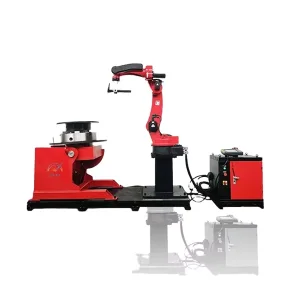
- 6-Axis Robotic Integration: By pairing our plasma power supplies with articulated robot arms, we enable fully automated cladding of complex geometries, such as valve seats, drill bits, and pump impellers.
- Real-Time Parameter Monitoring: Our latest control systems monitor welding voltage, current, powder feed rate, and shielding gas flow. This real-time data allows operators to make adjustments immediately, ensuring consistent weld quality.
- Eco-Friendly Remanufacturing: Repairing worn components using PTA cladding reduces the consumption of raw steel and requires up to 80% less energy than manufacturing a new replacement part. This supports industrial sustainability goals while offering substantial cost savings.