
Top Plasma Welding Machines for Global Buyers

Time:2026-09-29 Author:Sienna
0%

Choosing among top plasma welding machines is not a contest of flashy specifications. Global buyers need equipment that suits their materials, joint designs, production pace, and local service access. In this guide, welding specialist John Norrish’s process-focused expertise is captured in one practical line: “Match the process to the joint, not the brochure.” This is a buyer’s summary, not a verbatim quotation.

A sound comparison starts with the workpiece. Check the machine’s current range, duty cycle, torch cooling, arc-start method, and compatibility with manual or automated work. Then confirm the details that brochures often leave vague: consumable availability, operator training, warranty support, and electrical requirements. Small details matter. A torch that overheats during repeated production runs can disrupt a carefully planned shift. A supplier’s response time matters, too.

For buyers researching Soldadura Por Plasma, this overview introduces the features that distinguish practical machines from impressive-looking listings. It also considers how material thickness, precision needs, and production volume affect equipment selection. Ask suppliers for clear technical data, and, where possible, arrange a test weld using representative material. A polished sample is useful, but one coupon cannot prove long-term performance. That limitation deserves attention. The right machine is not always the most powerful or the least expensive; it is the one whose verified capabilities match the real job, with support that remains available after delivery.
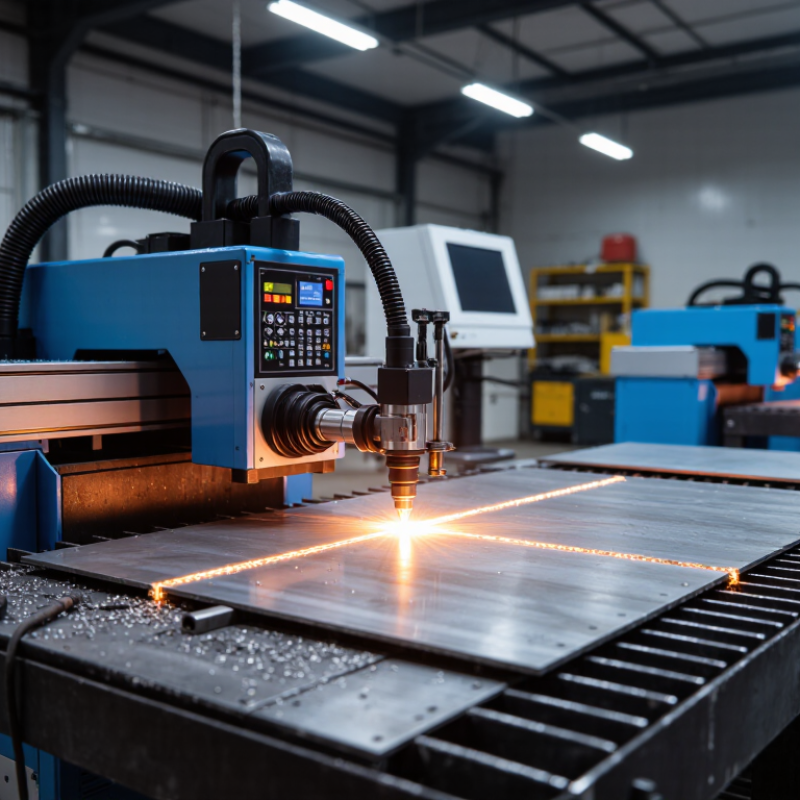
Top Plasma Welding Machines for Global Buyers

Understanding Plasma Welding Machines and Their Industrial Uses

Plasma welding uses a focused, ionized gas stream to create a stable, concentrated arc. Compared with conventional TIG welding, its constricted arc can penetrate narrow joints and produce precise welds on stainless steel, nickel alloys, and titanium. The American Welding Society’s Welding Handbook describes plasma arc welding as suitable for both micro-welding and keyhole welding, where the arc can pass through thicker material. That range matters on a shop floor: the same process can join thin instrument components or seal a deeper seam in a fabricated assembly.

Industrial buyers typically assess plasma welding machines for aerospace components, medical devices, heat exchangers, and precision fabrication. These applications need consistent heat input and controlled weld geometry. Market context also helps explain the interest: MarketsandMarkets estimated the global welding equipment market at about USD 15.8 billion in 2023, with projected growth through 2028. This figure covers welding equipment broadly, not plasma machines alone. That distinction is easy to miss. In practice, buyers should compare duty cycle, current control, torch access, gas requirements, and operator training against the actual joint design. A plasma system is not automatically the better choice; setup can be demanding, and small process errors may spoil an otherwise clean weld.

How Plasma Welding Technology Works

Plasma welding creates a concentrated arc between a tungsten electrode and the workpiece. A constricted nozzle narrows the arc, while plasma gas carries it through the torch. A separate shielding-gas flow protects the molten metal from air. The result is a narrow, high-energy heat source, rather than the broader arc typical of conventional TIG welding. TWI’s technical guidance on plasma arc welding describes microplasma operation at roughly 0.1–15 A, useful for thin sheet and delicate components. That low-current control matters when joining small stainless-steel parts without burning through them.

At higher currents, the arc can enter keyhole mode: it penetrates the joint and forms a small opening through the material. TWI notes that this mode can weld material up to about 10 mm thick in a single pass, depending on joint design and process settings. Precise torch alignment, stable gas flow, and consistent travel speed are essential. Even a slight mismatch can leave uneven penetration. That’s the catch.

For buyers comparing machines, the operating range is only part of the story. Check whether the power source supports the intended current range, whether gas controls remain stable, and whether the torch suits the material thickness. The American Welding Society’s Welding Handbook treats shielding, heat input, and joint preparation as core variables in arc welding; plasma equipment does not remove those practical demands. A clean edge helps. So does a skilled operator. In real production, setup can be less predictable than a spec sheet suggests. TWI, “Plasma Arc Welding”; American Welding Society, Welding Handbook.

Types of Plasma Welding Machines on the Market

Plasma welding machines fall into several practical types, each suited to a different joint and thickness. Microplasma systems use low current, often below 15 amperes, for thin stainless steel, foil, and precision components. Conventional plasma welding usually operates between 15 and 100 amperes. It produces a narrow, stable arc for fabricating heat-sensitive parts. Keyhole plasma welding uses higher energy and penetrates thicker plate in one pass. It can reduce filler use, but setup accuracy becomes critical.

ISO 4063:2023 identifies plasma arc welding as process 15, supporting consistent terminology across international projects. A 2024 market analysis by Grand View Research estimates continued growth in industrial plasma equipment through the decade, driven by automation and demand for cleaner, repeatable joints. That growth does not make every machine suitable.

Buyers should compare duty cycle, current range, torch cooling, shielding-gas control, and available service support. For example, a workshop welding 1 mm tubing needs fine amperage control, while a pressure-vessel fabricator may require keyhole capability and documented procedure qualification.

Validate Performance Before Purchase

Hands-on trials still matter. A catalog may promise excellent penetration, yet arc starts can vary on reflective alloys. Operators should test actual material, joint gaps, and travel speeds before purchasing.

The overlooked detail is training. Even advanced controls cannot fully correct poor torch alignment or contaminated gas.

Key Specifications for Comparing Machine Performance

When comparing plasma welding machines, start with the usable current range, not the largest number on the panel. A machine rated for 5–100 amps may suit thin sheet, but only if its low-current arc stays stable. Check the duty cycle at the stated current and ambient temperature. If it is rated at 60% on a ten-minute cycle, that allows six minutes of welding under those conditions. Confirm that input voltage and phase match the workshop supply. Numbers can mislead.

Review the supported material-thickness range, travel-speed guidance, and current-control repeatability. These factors matter when joining a 1 mm stainless panel without burn-through or maintaining an even seam. Check pilot-arc behavior, torch cooling, cable length, and gas-flow requirements. Water cooling may suit sustained production; air cooling can simplify occasional work. Ask for test welds on your alloy and joint design. A clean sample helps, but one pass cannot prove consistent performance through a full shift. Spec sheets rarely reveal every setup wrinkle.

Tips: Compare machines using the same material, thickness, joint, and settings. Record the results, including arc stability and consumable wear.

Top Plasma Welding Machines for Global Buyers - Key Specifications for Comparing Machine Performance

The comparison below describes common plasma welding machine configurations rather than specific products. Current ranges and input requirements are indicative; confirm the manufacturer's rated output, duty cycle, and local electrical compatibility before purchase.

Machine Configuration Typical Welding Current Typical Process Setup Suitable Work Performance Points to Compare Buyer Considerations
Microplasma precision system Approximately 0.1–15 A, depending on torch and power-source design Low-current plasma arc; commonly configured for manual or precision fixtured work Thin sheet, fine wire, small components, and precision joining Low-end current stability, repeatability, pulse control, and arc starting Verify minimum controllable current, torch size, and availability of fine-bore nozzles and consumables.
Low-current precision PAW system Approximately 0.5–50 A Pilot-arc plasma welding, often with selectable pulse parameters Thin stainless steel, nickel alloys, and small fabricated parts Current adjustment resolution, pulse-frequency range, arc stability, and gas pre-flow/post-flow controls Check the required shielding and plasma-gas arrangements, torch cooling needs, and operator training requirements.
General-purpose plasma welding system Approximately 5–200 A Transferred-arc operation; commonly supports manual welding and may support keyhole procedures within its rated range Workshop fabrication and a range of thin-to-medium-gauge metal joints Stable output across the current range, rated duty cycle, control functions, and torch compatibility Compare output ratings at the intended supply voltage and at the current required for the production procedure.
Mechanized plasma welding package Commonly within approximately 5–300 A; the package rating varies by power source Power source integrated with a carriage, positioner, or other motion-control equipment Repeated seams, circumferential joints, and production welding with controlled travel Travel-speed control, interface compatibility, start/stop repeatability, and process monitoring Confirm that the power source, motion system, fixtures, and procedure can be integrated and validated as one setup.
Orbital plasma welding system Set by the power source and qualified welding procedure; often uses low-to-moderate current Programmable rotation with coordinated current, travel, and gas timing Tube and pipe joints where repeatable circumferential welds are required Program storage, rotation accuracy, head clearance, current control, and data logging Check tube-diameter coverage, access constraints, joint preparation needs, and the availability of qualified procedures.
High-output plasma welding system Some systems are rated up to approximately 300 A; verify the specific machine's maximum output Higher-current transferred-arc operation; keyhole capability depends on material, thickness, joint design, and procedure Production work requiring higher heat input or a qualified keyhole welding process Duty cycle at target current, cooling capacity, output stability, and required electrical supply Assess facility power, extraction, torch cooling, consumable costs, and procedure qualification before selecting capacity.

Key Specifications to Verify Before Buying

  • Output range and control: Confirm the usable current range, adjustment resolution, polarity options, and pulse functions required by the welding procedure.
  • Duty cycle: Compare the rated duty cycle at the actual operating current and ambient conditions; ratings are not interchangeable across machines.
  • Input power: Check phase, voltage, frequency, input current, connector type, and local electrical-code requirements.
  • Gas and cooling: Confirm the required plasma gas, shielding gas, flow controls, torch cooling method, and utility connections.
  • Automation compatibility: For mechanized or orbital work, verify control interfaces, motion-system compatibility, program features, and data-recording options.
  • Support and compliance: Check applicable electrical and safety certifications, documentation language, training, spare-parts availability, and service coverage in the destination market.

How Global Buyers Can Evaluate Suppliers and Select a Machine

Top Plasma Welding Machines for Global Buyers

Global buyers should evaluate the supplier before comparing machine prices. A polished website proves little. Request a factory video, production records, and references from similar industries. Ask how long replacement torches and consumables remain available. A reliable supplier should provide clear manuals, wiring diagrams, and operator training. Response speed matters when a machine stops during a scheduled production run.

Review the machine against your actual work. Check welding current range, duty cycle, torch cooling, gas requirements, and control accuracy. A supplier should perform sample welds using your metal thickness and joint design. Inspect the bead closely for undercut, porosity, and inconsistent penetration. Confirm local voltage compatibility and available technical support. Integration with a cutting table or robotic cell may also affect the final cost.

I once focused too heavily on purchase price. That decision ignored maintenance time and delayed spare parts. It was a useful mistake. Build a comparison sheet covering machine cost, shipping, training, consumables, service response, and warranty conditions. Ask for realistic operating limits, not optimistic laboratory figures. A perfect scorecard does not exist. However, documented testing and honest limitations usually reveal the more dependable supplier. Before placing an order, request a written acceptance test with measurable weld quality requirements.

Top Plasma Welding Machines for Global Buyers

How global buyers can evaluate suppliers and select a machine by matching the plasma welding current range to the intended application.

Typical operating bands are commonly used for machine selection: micro-plasma is suitable for thin materials, melt-in plasma for general fabrication, and keyhole plasma for deeper penetration. Buyers should verify current range, duty cycle, gas control, power requirements, spare-parts support, certifications, and test-weld results with each supplier.

FAQS

How does plasma welding create a concentrated heat source?

A tungsten electrode creates an arc through a narrowed nozzle. Plasma gas carries the arc, while shielding gas protects molten metal.

What is microplasma welding suitable for?

Microplasma welding operates at roughly 0.1–15 amperes. It suits thin sheets, small stainless-steel parts, and delicate components.

What is keyhole welding mode?

The arc penetrates the joint and forms a small opening through the material. It can weld up to about 10 millimeters in one pass.

Which factors affect penetration quality?

Torch alignment, gas flow, travel speed, and joint design all matter. A small mismatch can create uneven penetration.

What should buyers check before comparing machine prices?

Check current range, duty cycle, torch cooling, gas needs, and control accuracy. Confirm local voltage compatibility too.

How can buyers evaluate a supplier’s reliability?

Request factory videos, production records, references, manuals, and wiring diagrams. Ask about training and replacement consumable availability.

Why are sample welds important before purchase?

Sample welds reveal undercut, porosity, and inconsistent penetration. Use your actual metal thickness and joint design during testing.

What costs are easy to overlook?

Include shipping, training, consumables, maintenance, service response, and warranty conditions. A low purchase price can become expensive later.

What should an acceptance test include?

Use written, measurable weld-quality requirements. Specify penetration, bead appearance, defect limits, and testing conditions.

Can a comparison scorecard guarantee the best machine?

No. A scorecard can miss real production delays and setup problems. Honest limitations often matter more than impressive specifications.

Conclusion

Plasma welding machines are valued across industries for producing precise, clean, and consistent joints, particularly when working with thin materials or demanding production requirements. This overview explains how plasma welding technology uses a concentrated, controlled arc to create a stable heat source, and how different machine types can suit manual work, automated production, or specialized applications. It also introduces Soldadura Por Plasma as a useful term for plasma welding and highlights the role of process control in achieving dependable results.

For global buyers, comparing equipment means looking beyond headline power ratings. Important specifications include current range, arc stability, control options, duty cycle, material compatibility, and ease of integration with existing workflows. Buyers should also assess supplier experience, technical support, operator training, spare-parts availability, and the clarity of product documentation. Matching these factors to production needs can help organizations choose a capable machine, manage operating costs, and support reliable welding performance over time.

Sienna

Sienna

Sienna is a skilled marketing professional with a deep expertise in our company’s core products and services. With a passion for innovation and detail, she plays a pivotal role in crafting insightful blog posts that not only highlight the unique features of our offerings but also provide valuable......