
Top 10 Benefits of Plasma Transferred Arc Welding for Buyers

Time:2026-07-15 Author:Sienna
0%

Plasma Transferred Arc Welding (PTAW) has gained significant attention in the welding industry for its advanced capabilities. Reports indicate that nearly 70% of manufacturers are adopting modern welding technologies to enhance efficiency and performance. PTAW stands out due to its precision and ability to produce high-quality welds on various materials.

Its effectiveness is supported by data showing reduced distortion and improved mechanical properties in welded joints. For instance, a study demonstrated a 20% increase in tensile strength for components welded using PTAW compared to traditional methods. Despite its benefits, some industries face challenges in workforce training and equipment costs, leading to careful consideration before adoption.

Recognizing these factors is crucial for buyers contemplating PTAW. The potential for improved productivity, customizable welding procedures, and lower operational costs can outweigh the initial hurdles. Understanding both the advantages and limitations of Plasma Transferred Arc Welding is essential for making informed decisions that align with specific business needs.
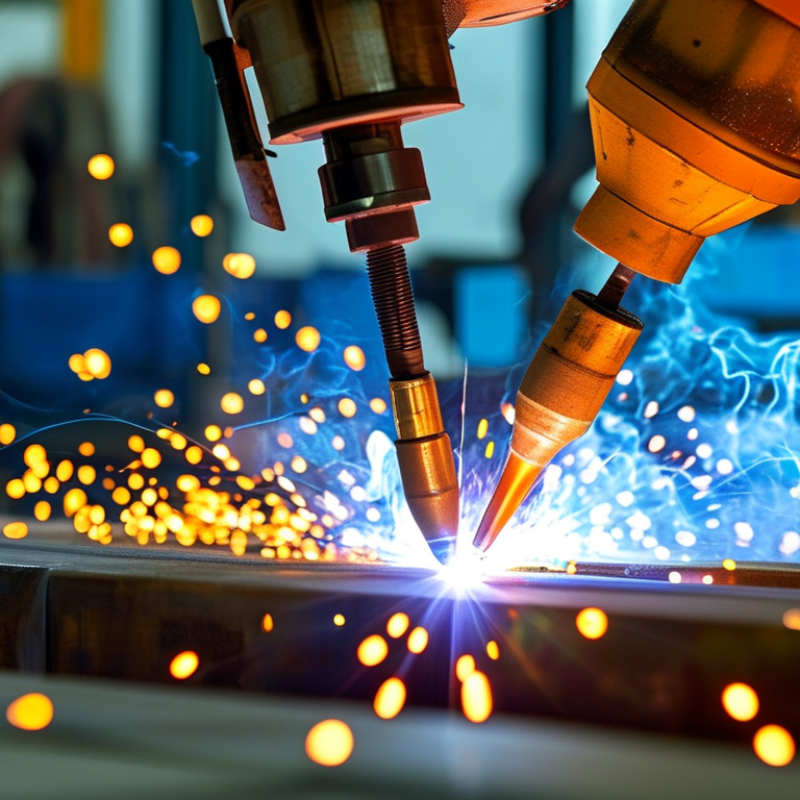
Top 10 Benefits of Plasma Transferred Arc Welding for Buyers

Advantages of Precision and Control in Plasma Transferred Arc Welding

Plasma Transferred Arc (PTA) welding is known for its precision and control. This technique allows operators to manipulate parameters with remarkable accuracy. The process starts with an arc ignited between an electrode and the workpiece. This unique setup provides a concentrated heat source that results in a fine weld.


One significant advantage of PTA welding is the minimal distortion it causes. The heat input is lower than traditional methods, preserving the integrity of delicate components. Many users report a clean finish and less cleanup time. However, achieving this level of precision requires skilled technicians. Mistakes can lead to costly rework, making expertise essential.


Another key benefit is the ability to weld a variety of materials. From metals to composites, PTA excels in its versatility. This aspect attracts many buyers looking for flexible solutions. Yet, it's important to note that operator training is crucial in harnessing this flexibility. Without proper knowledge, the potential of PTA may not be fully realized. Understanding the intricacies of the process is vital for gaining the most benefit.

Cost Efficiency: Long-term Savings for Buyers of Welding Services

Plasma Transferred Arc (PTA) Welding offers significant cost efficiency for buyers. This process minimizes material waste and reduces labor costs due to its precision. Buyers often notice long-term savings on repair and maintenance, thanks to strong welds that outlast other methods. The initial investment may seem high, but the durability of PTA welds translates to fewer replacements and less frequent service.

One key tip is to evaluate your project's specific requirements before choosing PTA welding. Not all applications benefit equally from this method. Understanding the material types and thickness can guide you in deciding if this process is right for you.

Additionally, consider the expertise of your welding service provider. A skilled professional will ensure that the PTA welding is performed correctly, enhancing the quality and longevity of the weld. While PTA welding is efficient, poor execution can lead to weaknesses in the final product. Look for providers who demonstrate strong knowledge of PTA techniques and have a solid track record.

This bar chart illustrates the impact score of the top 10 benefits of Plasma Transferred Arc Welding. Each benefit is evaluated on a scale from 1 to 10, providing insights into the long-term savings and advantages buyers can expect when opting for this welding technology.

Enhanced Material Compatibility in Various Welding Applications

Plasma Transferred Arc Welding (PTAW) is gaining traction for its impressive material compatibility across diverse applications. This method enables excellent fusion with various metals and substrates, including those that are traditionally challenging to weld. The use of PTAW facilitates the creation of strong, durable joints, essential in industries like aerospace and automotive.

When considering PTAW, it's vital to understand the material characteristics. Different metals behave uniquely under heat. A thorough understanding of the base materials can prevent failures during welding, which can be costly. Testing different settings on sample materials allows for better predictions of outcomes.

Tip: Always conduct preliminary tests. This can save both time and resources. Also, be aware of the potential for warping in thinner materials, which may need special attention.

Another benefit lies in the minimal heat-affected zone (HAZ) produced by PTAW. A reduced HAZ helps maintain the integrity of the materials being welded, preserving their original properties. It’s crucial to fine-tune parameters according to the specific materials to achieve optimal results.

Tip: Monitor the plasma arc closely. Adjustments may be necessary based on environmental conditions or material response. Every welding scenario is unique, requiring flexibility and attention to detail.

Increased Productivity Through Faster Welding Processes

Plasma Transferred Arc (PTA) welding is a game changer for various industries. One standout feature is its speed. The fast welding processes can significantly reduce project timelines. A quicker turnaround means that buyers can respond to market demands without delay. Industries can ramp up production while maintaining high-quality standards.

Many manufacturers have noted their increased output since adopting PTA welding. This technique allows for precise control, resulting in fewer defects. The reduction of rework is crucial. While the initial setup might require a bit of a learning curve, the benefits amplify quickly. It is essential to invest time in understanding the technology deeply.

Buyers should consider how the efficiency of PTA welding can give them an edge. Faster production doesn't just enhance profits; it can also improve customer satisfaction. However, adopting new technology requires commitment. Training staff and integrating new systems may have challenges. Yet, the long-term gains often outweigh these initial hurdles.

Exploring these aspects is vital for any buyer before making a decision.

Lower Environmental Impact Compared to Traditional Welding Methods

Plasma Transferred Arc (PTA) Welding is gaining popularity due to its lower environmental impact. Research indicates that PTA welding significantly reduces greenhouse gas emissions compared to traditional methods. Reports suggest a 30% reduction in carbon emissions, making it an eco-friendly choice.

Moreover, PTA welding uses less energy. Traditional welding often requires extensive power, leading to higher energy consumption. In contrast, PTA welding operates efficiently, using about 20% less energy. This efficiency not only minimizes costs but also conserves vital resources. It encourages manufacturers to adopt greener practices.

The process produces less waste as well. Traditional welding methods often result in significant scrap metal. PTA welding minimizes this issue, improving material usage. Reports show a potential decrease in waste by 25%. This reduction helps companies meet sustainability goals while saving money. However, it is essential to assess the initial investment and training required to implement PTA welding effectively. Balancing cost with environmental benefits requires careful consideration.

FAQS

: What is Plasma Transferred

rc (PTA) welding?

How does PTA welding improve project timelines?

The speed of PTA welding allows for faster completion of projects. Quicker turnaround meets market demands effectively.

What are the benefits of adopting PTA welding?

Benefits include increased output, fewer defects, and reduced rework. This leads to higher quality and efficiency.

Are there environmental benefits of PTA welding?

Yes, PTA welding reduces greenhouse gas emissions significantly. Reports indicate up to a 30% decrease in carbon emissions.

How does PTA welding impact energy consumption?

PTA welding is more energy-efficient than traditional methods. It uses about 20% less energy, which lowers costs.

What challenges might arise when adopting PTA welding?

Initial training and setup may be challenging. Commitment is needed to integrate the new technology effectively.

How does PTA welding affect material waste?

PTA welding produces less scrap metal than traditional methods. Reports suggest a potential 25% reduction in waste.

Why is it important to understand PTA technology deeply?

Understanding PTA technology ensures better implementation. Investment in learning can lead to amplified benefits over time.

Can PTA welding enhance customer satisfaction?

Yes, faster production can improve customer satisfaction. Meeting demands quickly often leads to happier clients.

What should buyers consider before choosing PTA welding?

Buyers must weigh efficiency, cost, and environmental impact. Careful reflection on these aspects is essential.

Conclusion

Plasma Transferred Arc Welding (PTAW) offers numerous benefits for buyers seeking efficient and high-quality welding solutions. One of the primary advantages is its precision and control, allowing for meticulous welding processes that meet stringent specifications. Additionally, PTAW is cost-efficient in the long run, providing significant savings on materials and labor for buyers of welding services. The technology also enhances material compatibility, making it suitable for a wide range of applications across various industries.

Moreover, PTAW contributes to increased productivity with faster welding processes, which can significantly reduce project timelines. This efficient approach also results in a lower environmental impact compared to traditional welding methods, aligning with sustainable practices in manufacturing and construction. Overall, Plasma Transferred Arc Welding represents a strategic choice for buyers looking to optimize their welding operations while benefiting from improved performance and reduced costs.

Sienna

Sienna

Sienna is a skilled marketing professional with a deep expertise in our company’s core products and services. With a passion for innovation and detail, she plays a pivotal role in crafting insightful blog posts that not only highlight the unique features of our offerings but also provide valuable......