
In 2026, heat exchanger buyers are examining welded designs more critically. The Welded Diaphragm Type Heat Exchanger is attracting attention in chemical processing, refrigeration, food production, and district energy systems. Its sealed construction can reduce gasket-related leakage points. It may also tolerate higher temperatures, pressures, and aggressive fluids than many gasketed alternatives. However, performance depends heavily on welding quality, plate geometry, flow distribution, and material selection.
Dr. Sadik Kakaç, a respected heat-transfer authority, explains, “Heat exchangers are devices that facilitate the exchange of heat between two fluids at different temperatures.” This principle remains simple, but modern equipment is not. The best 2026 models may include fully welded plate-and-shell units, laser-welded diaphragm structures, compact welded plate exchangers, and customized units for corrosive service. Each type serves a different operating window. None is universally superior.
Field experience reveals practical details that catalog pages often omit. A narrow channel can improve heat transfer, yet it may increase pressure drop. A thicker diaphragm can improve durability, but it may reduce thermal responsiveness. Small weld imperfections matter. So does cleaning access. Engineers should inspect weld records, fatigue calculations, corrosion allowances, and certified pressure tests before approval. Digital monitoring can identify abnormal temperature differences early. That helps, but sensors can also drift.
This overview compares the leading Welded Diaphragm Type Heat Exchanger types expected to shape 2026 purchasing decisions. It considers thermal efficiency, service life, maintenance demands, safety margins, and application fit. The evaluation is practical rather than absolute. Real plants are rarely perfect.
What Is a Welded Diaphragm Heat Exchanger?
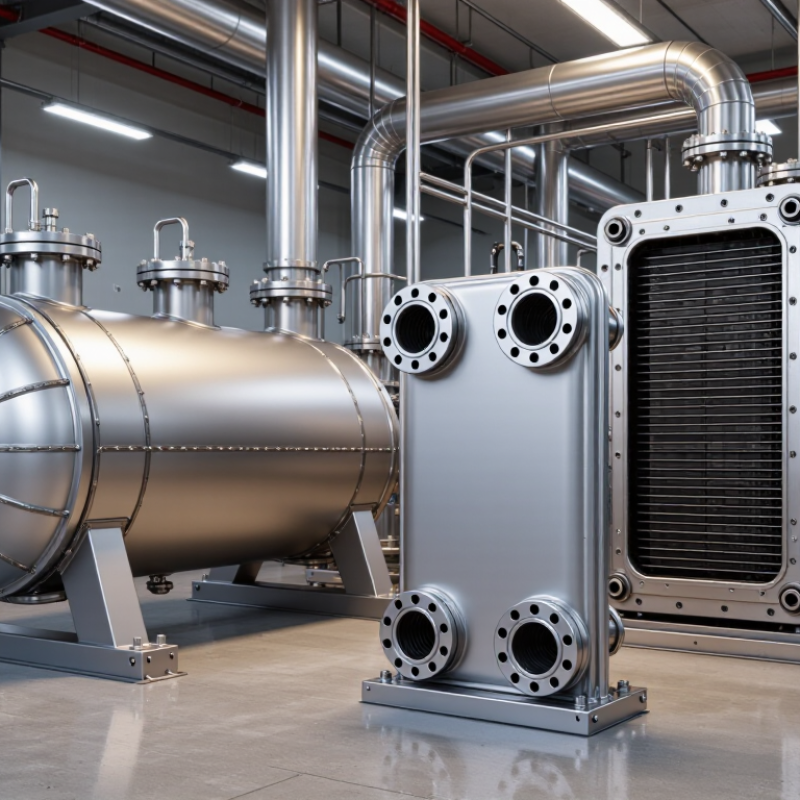
A welded diaphragm heat exchanger transfers heat through a welded metal barrier. Two fluids remain separated while heat moves across the diaphragm. This design suits corrosive, high-pressure, or contamination-sensitive duties. However, the term is not fully standardized. Some manufacturers describe welded plate units, cassette units, or diaphragm-based shell modules differently. Engineers should confirm the internal flow path before comparing quotations.
The main 2026 types include welded plate exchangers, laser-welded cassette exchangers, and shell-side diaphragm modules. Welded plates provide compact heat transfer and reduced gasket exposure. Cassette designs can support modular maintenance, although access depends on the weld layout. Shell modules handle demanding process conditions but usually require more space. The IEA’s Energy Efficiency 2023 report states that industry used about 37% of global final energy in 2022. The U.S. Department of Energy also reports that process heating represents roughly 51% of manufacturing energy use. These figures explain why small thermal losses deserve serious attention. Yet, efficiency claims can be misleading without operating data.
Tips: Check design pressure, material compatibility, weld inspection records, and thermal cycling limits. Ask for fouling resistance under real fluid conditions. Confirm whether the diaphragm is replaceable. It often is not. A practical acceptance test should include pressure testing, leak detection, and documented heat-duty measurements. The best selection is not always the smallest exchanger. Temperature swing, maintenance access, and future load changes may matter more.
A welded diaphragm heat exchanger transfers heat through a sealed metal barrier. Two fluids move through separate passages without direct contact. The diaphragm is welded around its edges or between formed channels. This structure prevents mixing while allowing heat to cross the thin wall. Hot liquid enters one side, while colder liquid flows through the neighboring passage. The temperature difference drives conduction. No direct contact occurs.
In operation, channel geometry controls velocity, turbulence, and pressure loss. Counterflow layouts usually maintain a stronger temperature gradient than parallel-flow designs. Crossflow arrangements can suit compact systems with limited connection space. Welded plate packs often provide a high surface area in a relatively small footprint. The welds must tolerate pressure, vibration, and repeated heating cycles. Thermal expansion matters. A rigid-looking assembly still flexes slightly. Sensors monitor inlet and outlet temperatures, pressure drop, and flow rate.
From practical maintenance experience, performance depends on more than calculated surface area. A clean wall transfers heat efficiently, while fouling adds resistance. Fouling develops quietly. Operators should compare actual readings with the original design conditions. Calculations can overstate capacity when viscosity changes or flow becomes uneven. That assumption is easy to miss. Inspection should examine weld integrity, corrosion, distortion, and unusual pressure loss. Qualified engineers should verify materials and operating limits before installation. The best design is not always the largest one.
Welded diaphragm heat exchangers separate fluids with thin metal plates or diaphragms. Their welded construction reduces gasket exposure and supports demanding thermal duties.
joins each plate around its flow channel. It handles high temperatures and many corrosive services when materials are selected carefully. Its compact footprint suits process skids and limited plant spaces. However, internal cleaning can be difficult. Very compact.
combines welded plate pairs with a gasketed frame. One fluid remains inside the welded cassette, while the other flows through the gasketed side. This design works well when one medium is aggressive or difficult to contain. Technicians can usually replace gaskets more easily than with a fully welded unit. Yet, the gasketed circuit still needs regular inspection.
places a welded plate pack inside a pressure shell. It offers strong containment for high-pressure services and can manage phase changes effectively. Engineers often consider it for condensers, evaporators, and chemical process duties. Material compatibility remains critical. Stainless steel may resist one fluid but fail in another chloride-rich stream.
Flat diaphragms simplify fabrication, while formed profiles improve turbulence and heat transfer. Higher turbulence can increase pressure loss. This trade-off is easy to underestimate. Reliable selection requires checking flow rates, design pressure, temperature, fouling tendency, weld quality, and applicable pressure-vessel requirements. A clean specification can still miss startup conditions. Testing should reflect real operating cycles, not only steady-state values.
Welded diaphragm heat exchangers are selected by duty, pressure, fluid behavior, and service access.
Their main designs include welded plate units, shell-and-plate units, and compact diaphragm assemblies. Each type separates fluids through welded metal surfaces, reducing leak paths compared with gasketed construction.
Performance starts with heat-transfer efficiency.
Thin corrugated plates create turbulence and strong thermal exchange. Shell-and-plate designs often tolerate higher pressure and temperature swings. Compact units save floor space, but narrow passages can foul quickly.
Always compare pressure drop, not only rated heat duty. A unit that transfers heat efficiently may still overload the circulation pump.
Material choice changes operating life.
Stainless steel suits many water and mild chemical services. Higher-alloy materials may resist chlorides, acids, or elevated temperatures better. Titanium can support seawater applications, but its cost requires careful justification.
Weld quality matters as much as alloy selection. Inspect joint design, non-destructive testing records, and thermal expansion allowances.
Applications include process heating, oil cooling, refrigeration, district energy, and aggressive chemical service.
Fouling fluids need wider channels or easier cleaning access. Clean fluids can benefit from smaller passages and lower equipment volume.
A practical mistake is choosing only by size. Field conditions often differ from laboratory data, especially with suspended solids and changing flow rates. Recheck the design with real fluid analysis, seasonal temperatures, and maintenance limits.
2026 Top Welded Diaphragm Heat Exchanger Types
Choosing the right welded diaphragm heat exchanger starts with operating conditions, not catalog size. Flat-plate designs suit clean fluids, steady pressure, and simple thermal duties. Corrugated-plate types create stronger turbulence, improving heat transfer in compact spaces. They can also demand better filtration. Tubular diaphragm configurations handle higher pressure differences and viscous fluids more comfortably. However, their larger footprint may affect installation planning.
In 2026, industrial buyers should compare temperature cycling, pressure limits, corrosion resistance, and cleaning access. A welded joint reduces leakage paths, which matters in chemical processing and high-purity production. Yet permanent construction can make field repairs difficult. Confirm material compatibility with every process fluid, including additives and cleaning chemicals. Review test records, weld inspection methods, and expected service life with qualified engineers. Real operating data is more useful than a perfect laboratory rating.
Tips: Map the hottest and coldest points in your system before selecting a type. Check whether particles can pass through the channels. Leave space for inspection equipment and safe isolation. Ask for pressure-test documentation. Also, challenge your first choice. The most compact exchanger is not always the easiest to maintain. A small pilot test may reveal fouling or vibration problems before full installation.
Two fluids flow through separate passages divided by a welded metal diaphragm. Heat crosses the thin wall by conduction. The fluids never touch.
Counterflow keeps a stronger temperature difference along the exchanger. This usually improves heat transfer. Parallel flow may need more surface area.
Common designs include fully welded plate units, semi-welded cassettes, and welded shell-and-plate units. Each design suits different pressures, fluids, and maintenance needs. There is no universal best type.
It suits compact installations with high temperatures or demanding fluids. Welded channels reduce gasket exposure. Internal cleaning can be difficult.
One fluid stays inside a welded cassette. The other flows through a gasketed circuit. Technicians can usually replace those gaskets more easily.
Its welded plate pack sits inside a pressure shell. This structure supports higher pressure and temperature changes. It can also suit condensation and evaporation duties.
Fouling adds thermal resistance and quietly reduces capacity. Narrow passages may foul quickly. High turbulence helps heat transfer but increases pressure loss.
Stainless steel suits many water and mild chemical services. Higher-alloy materials may resist chlorides, acids, and heat better. Titanium can suit seawater, but its cost needs justification.
Inspect weld integrity, corrosion, distortion, and unusual pressure loss. Compare actual temperatures, flow rates, and pressure readings with design conditions. The numbers may disagree.
Check flow rate, pressure, temperature, viscosity, fouling tendency, and cleaning access. Include startup changes and seasonal temperatures. A laboratory result can mislead.
A Welded Diaphragm Type Heat Exchanger is a compact, sealed thermal device that transfers heat between two fluids through welded metal diaphragms or plates. Unlike gasketed designs, it minimizes leakage risks, reduces maintenance requirements, and can operate reliably under demanding pressure and temperature conditions. Its working principle depends on separating fluid channels with thin conductive barriers, allowing efficient heat transfer without direct fluid mixing.
This article explores the main types, including single-pass, multi-pass, counterflow, and specialized high-pressure configurations. It explains how to compare thermal performance, pressure drop, material compatibility, corrosion resistance, cleanability, and service life. For 2026 industrial needs, selecting the right exchanger requires considering the process fluid, operating temperature, pressure, available space, maintenance strategy, and total lifecycle cost. A properly matched design can improve energy efficiency, system stability, and long-term operational reliability across diverse industrial applications.
